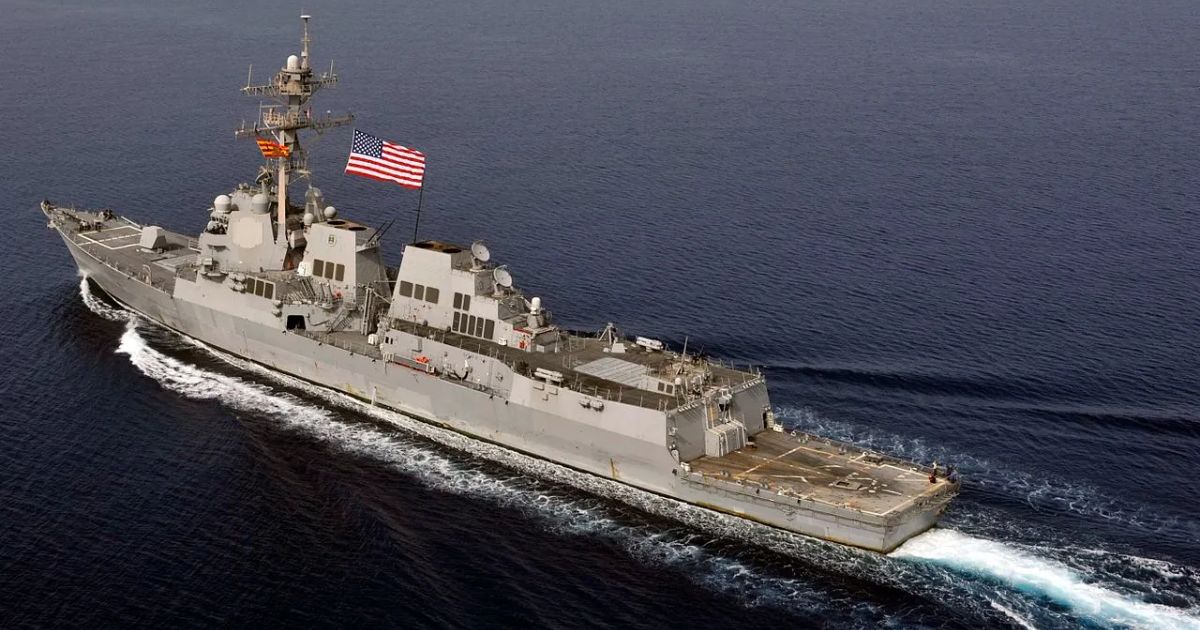
Caribbean tensions ran high this week as three US Navy destroyers and a Venezuelan-bound amphibious squadron with about 4,000 Marines steamed through Venezuelan waters. Washington maintains the mission targets drug cartels, but Caracas and its regional allies perceive it as a threatening hangover to sovereignty.
In a stern criticism, China rallied behind Venezuelan leader Nicolas Maduro as it condemned Washington’s display of power. China’s Foreign Ministry spokesperson Mao Ning stated that Beijing would oppose any action against undermining the UN Charter or the sovereignty of Venezuela. Mao Ning called on the United States to “do more things conducive to peace and security in Latin America and the Caribbean region.”
The declaration came as Maduro received China’s ambassador, Lan Hu, in Caracas. Commending what he termed “notable advances” in collaborative projects, the Venezuelan president welcomed China as a world leader in human development. The encounter placed Beijing as an important partner and diplomatic umbrella for Venezuela amid US pressure.
Maduro mobilises militias, Washington raises bounty
The White House hinted that it would not relent. White House press secretary Karoline Leavitt labeled Maduro’s regime a “narcoterrorist cartel” and declared the US had increased the reward for his capture to $50 million. Trump, she indicated, was ready to employ “all American power” to prevent drugs from flowing into the United States and hold perpetrators accountable.
Maduro struck back defiantly. In a TV address, he declared the mobilisation of 4.5 million Bolivarian Militia members and banned drone flights for a month. “We defend our seas, our skies and our lands. No empire will touch the sacred soil of Venezuela,” he threatened.
Billions at stake in China-Venezuela ties
China has spent over $67 billion in Venezuela since 2007, tying loans to oil exports under former president Hugo Chávez. Although direct Chinese buying of Venezuelan oil has slowed under US sanctions, Beijing is Caracas’s most significant creditor. Its assistance has outlasted debt row disagreements and continues to offer Maduro vital lifelines.
China was one of the first countries to ratify Venezuela’s contested election last year, solidifying its strategic partnership. For Maduro, the support of Beijing means both economic stability and diplomatic credibility in a moment when Washington is turning up the heat.
ALSO READ: EU Pushes Retroactive U.S. Tariff Cuts on Cars as Trump–von der Leyen Deal Takes Shape
Regional leaders divided on US deployment
The naval expansion has unsettled regional leaders, dividing opinion in Latin America. Mexico’s President Claudia Sheinbaum ruled out intervention, urging instead talks. Colombia’s Gustavo Petro issued a warning of “serious regional consequences” if the US went to war, while Brazil’s leading foreign policy adviser, Celso Amorim, expressed “concern” and emphasized that organized crime must be addressed through cooperation, not independent force.
Others gravitated towards Washington. Argentina’s President Javier Milei made no official comment but echoed US statements on defence cooperation. Ecuadorian President Daniel Noboa directed investigations into suspected cartel connections, while Paraguay’s Senate labelled Venezuela’s Cartel de los Soles a terrorist group.
As opposing powers entrench themselves, Venezuela is now more than an internal confrontation. It is a tinderpoint on which Washington’s hardline strategy bumps up against China’s demand for sovereignty, drawing the region further into a struggle of world influence.