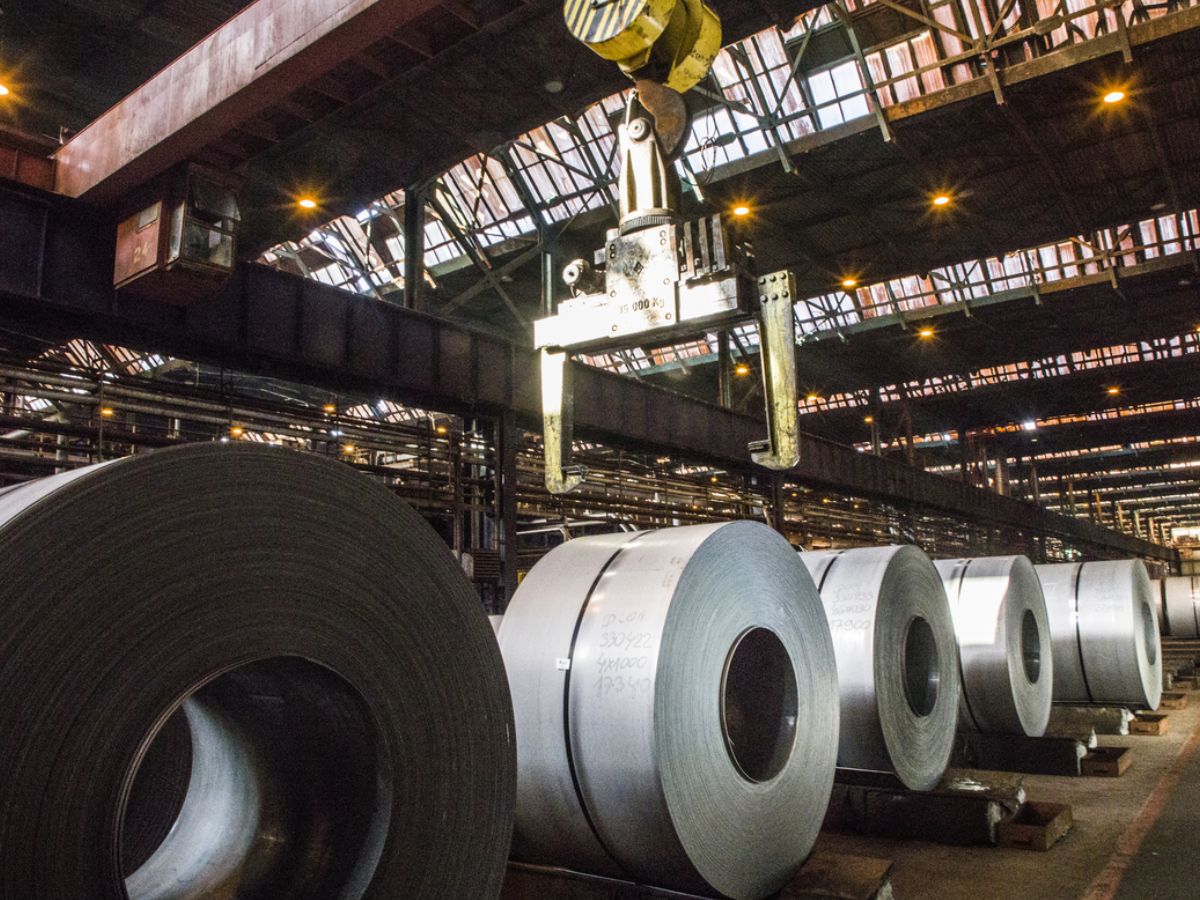
Middletown, Ohio, the city which has the large steel mill, where JD Vance’s grandfather worked and which Vance called the “economic saviour” of his family, was planned to become the country’s first green steel facility. In 2023, the Biden administration gave a $500 million grant from the Department of Energy to help change the mill’s coal furnace into one powered by hydrogen.
This project promised to create 1,200 construction jobs and 170 permanent jobs. It also aimed to make Middletown a center for environmentally friendly industry, according to the Financial Times.
However, after Donald Trump returned to the White House, the plan fell apart. In July 2024, Cleveland-Cliffs, the company that owns the plant, said it was stopping the hydrogen project. They blamed cuts to federal incentives and the lack of a reliable hydrogen supply chain, as reported by Politico.
Instead, the plant will keep using coal and natural gas. This decision fits with Trump’s promise to bring back what he calls America’s “beautiful clean coal industry.”
Two Different Economic Ideas
The change at the plant shows the conflict between two very different ideas about how to revive American industry. Biden’s Inflation Reduction Act aimed to invest billions in clean energy, encouraging private companies to develop new technologies.
Trump, on the other hand, removed many of those supports. He replaced subsidies with high tariffs on imported steel and pushed to keep coal plants open, according to the Financial Times.
Biden’s plan focused on reducing pollution and creating new industries, while Trump’s approach relies on tariffs to protect current steel producers. Cleveland-Cliffs benefited from this: its CEO, Lourenco Goncalves, praised Trump’s 50% tariff on foreign steel, calling it “significant in supporting the domestic steel industry.”
Mixed Feelings in Middletown
People in Middletown have had different reactions to the change. Rick Pearce, head of the local Chamber of Commerce, said he was disappointed the city would miss out on new technology and extra tax money. But he also thought tariffs might help bring back manufacturing jobs in the area.
Some business owners were upset about the lost promise of green jobs. They said residents rarely see real benefits from political promises. One local entrepreneur told the Financial Times that Vance’s talk about his roots didn’t lead to direct help for small businesses like hers.
Still, some believe Trump’s focus on tariffs will eventually bring jobs back to towns like Middletown. They argue that the administration is acting “in the best interests of business” and that protecting local industries will encourage companies to bring production back to the U.S.
Bigger Problems and Lost Chances
Experts say the cancellation of the hydrogen project shows deeper problems. Analysts pointed out that Cleveland-Cliffs and other companies are stuck between changing government policies and the slow global growth of green steel.
BloombergNEF predicted that making steel with hydrogen will cost almost twice as much as using coal until 2030 unless there are subsidies, making projects like Middletown’s too expensive, the Financial Times reported.
Leah Stokes, a clean energy expert who advised Biden’s team, said stopping the hydrogen plan was short-sighted. She warned that the U.S. risks falling behind countries like China in leading clean industries. She called coal-made steel the “worst-choice policy and worst-choice energy source,” according to Politico.
Middletown’s Larger Challenge
Middletown’s economy has long depended on its steel mill. Local historian Sam Ashworth said the city’s reliance on steel is both good and bad. He believed the hydrogen project was “the right way to go,” but also said the town needs investment in other areas like healthcare and technology to stay strong in the long run, the Financial Times reported.
Others, like Democratic activist and pastor Scotty Robertson, said the cancellation took away good, unionized jobs that could have helped reduce inequality. He criticized both Cleveland-Cliffs for sticking with fossil fuels and the Biden administration for not clearly explaining the local benefits of clean energy before the plan was scrapped.
Middletown’s Future
Right now, Middletown, which JD Vance calls home, is caught in a national debate about the future of American industry. Its dream of green steel has fallen apart because of political changes, leaving the town dependent again on coal and tariffs.
It is unclear if this path will bring the promised economic revival or keep Middletown trapped in pollution and economic struggles. What is certain is that the town’s story reflects the larger fight over how to rebuild America’s industrial towns and which vision will win in the end.
Also Read: Jeffrey Epstein Case: US House Oversight Committee Releases Over 33,000 Pages