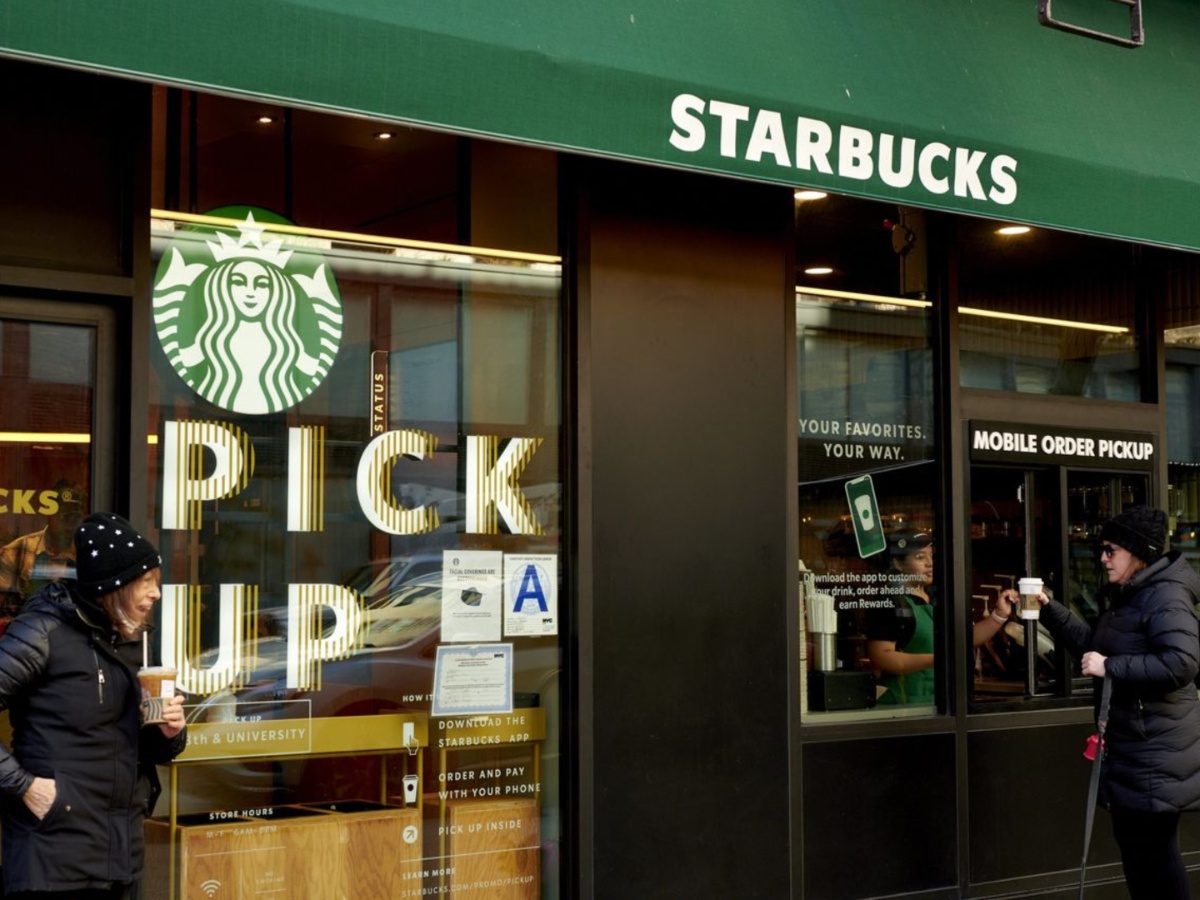
Starbucks is closing its mobile-only pickup stores nationwide, ending a six-year experiment that focused on tech-first, hyper-efficient service for Gen Z consumers. New CEO Brian Niccol announced this decision during the company’s recent earnings call, citing a clear reason: the format lacked the warmth and human connection the brand was built on. Roughly 80 to 90 of these grab-and-go stores—built in airports, hospitals, and dense urban areas—will either close or be converted by the end of 2026.
Niccol Calls Time on “Overly Transactional” Stores
On Tuesday’s call, Niccol didn’t mince words. “We found this format to be overly transactional and lacking the warmth and human connection that defines our brand,” he told analysts. While mobile orders account for 31% of all Starbucks transactions, the company is now betting on a more emotional, in-store experience to bring back lapsed customers.
Gen Z Doesn’t Just Want Speed—They Want Soul
Contrary to assumptions, younger customers aren’t satisfied with a purely app-driven coffee run. Starbucks believes Gen Z still values connection—just in a different way. That shift is reflected in the brand’s declining North American sales and six straight quarters of flat or negative growth. Starbucks’ research shows improved customer perception—especially among Gen Z and millennials—when stores offer personal interaction and ambiance.
“Green Apron” Strategy Reimagines the Coffeehouse
Niccol’s turnaround strategy includes a $500 million “Green Apron Service” initiative. It revamps stores to feel less like vending machines and more like third spaces. Starbucks will invest $150,000 per store to enhance seating, lighting, and layout and pilot stores in NYC already reflect this shift, replacing the sterile mobile-only model with cozy spaces that encourage people to stay.
Smaller Stores Will Still Prioritize Experience
Starbucks isn’t abandoning speed entirely. It’s now piloting smaller formats with limited seating that still blend convenience with community. The company will also keep upgrading its app and rewards system. However, the ultimate goal is clear connection, not just convenience.
Hospitality Comes Back to the Fore
Even COO Mike Grams underlined the change. “Connection is different things to different people,” he said, emphasizing how baristas can adapt to each customer’s needs. Whether it’s a quick pick up or a lingering conversation, Starbucks wants to restore that flexible, human-centered experience.