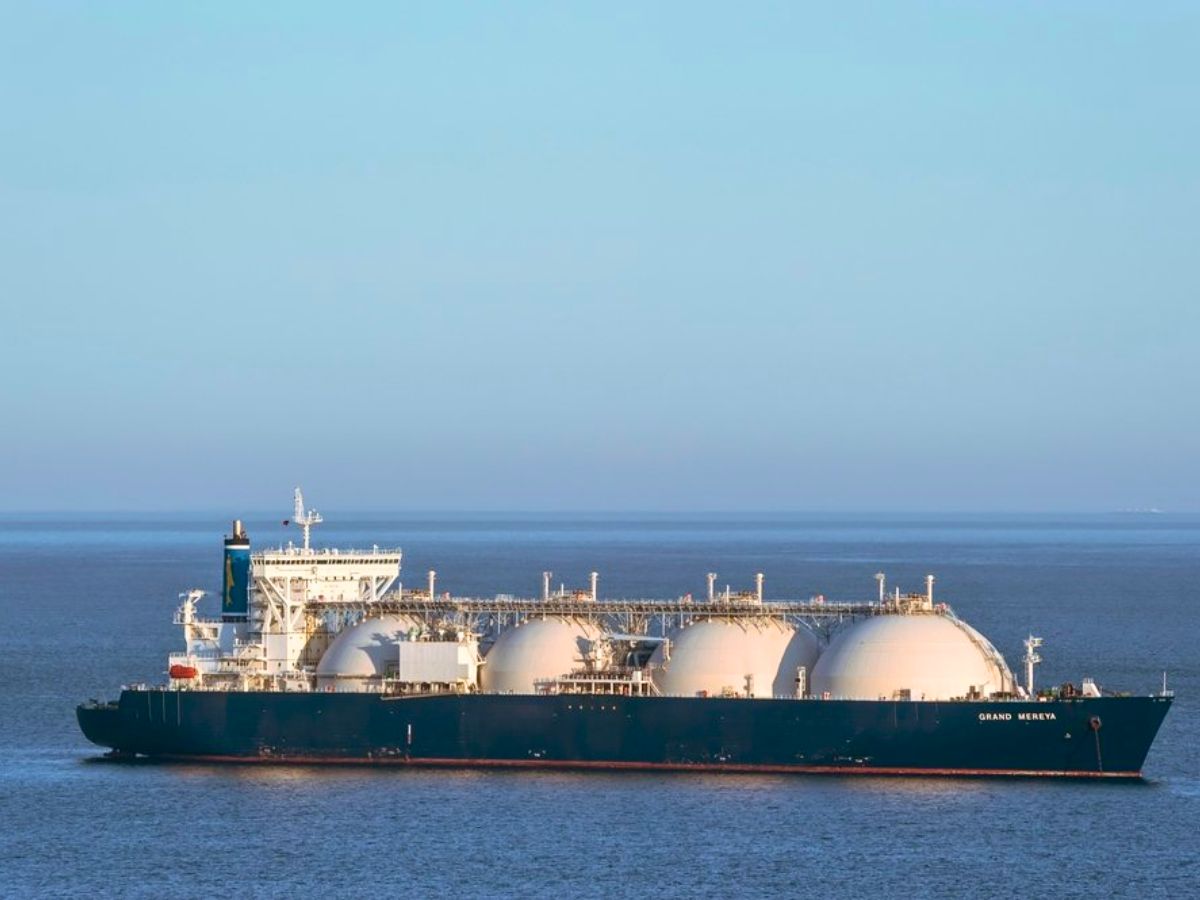
A fleet of Russian liquefied natural gas (LNG) tankers has set sail for Asia from the US-sanctioned Arctic LNG 2 project. The voyages test the limits of American sanctions and the strength of Donald Trump’s diplomatic strategy with Moscow.
The departures show how energy and geopolitics remain tied as Washington pushes for a peace deal in Ukraine while avoiding a clash over energy flows.
Arctic LNG 2: Russia’s Strategic Bet
The Arctic LNG 2 plant in Siberia is central to Moscow’s plan to triple LNG exports by 2030. With pipeline gas sales to Europe gone, Russia is looking to Asia. The Biden administration sanctioned the project in 2023. By October, exports stopped due to ice and a lack of buyers.
ALSO READ: Why India, Not China? Marco Rubio Justifies the US Sanctions Divide
Yet the plant resumed cargo loading in June. Since then, shipments have left, but none have reached an import terminal. The four vessels now sailing may test Asian buyers.
Shadow Fleet & Sanctions Evasion
Russia has built a “shadow fleet” of about a dozen ships to keep LNG moving. Some are specially equipped for icy waters. Several tankers, including the Iris and the Voskhod, left the sanctioned terminal this month after weeks of idling.
Others sailed last week. Many ships have switched management companies multiple times. This tactic hides ownership and makes it harder to enforce sanctions.
Trump-Putin Talks Complicate Enforcement
The renewed LNG activity comes just after Trump meets with Vladimir Putin in Alaska. Both leaders called the talks productive. Trump has avoided tightening sanctions on countries buying Russian energy, including China.
ALSO READ: Donald Trump Claims ‘Big Progress’ With Russia After Alaska Summit With Putin
He wants room to advance ceasefire talks with Ukraine. This balancing act means Washington is holding back on stricter enforcement. As a result, Russian LNG is still flowing, though through risky, grey-market routes.
Asian Buyers Face Risk and Temptation
China and India may be tempted by discounted LNG cargoes, and have to face the risk of secondary US sanctions. For them, cheap energy looks attractive.
Yet the political cost could be high if Washington decides to act. The decision of buyers will shape the success or failure of Moscow’s diversification strategy.
What It Means for Global Gas Markets?
These shipments highlight how energy trade still drives the Ukraine conflict. If Russia sells in Asia, it scores a win against European isolation. If buyers hesitate, the weakness of Russia’s pivot will show. For US, the tankers present a dilemma, it has to decide between maintaining diplomatic space and enforcing the law strictly.
ALSO READ: Zelensky Hails ‘Historic’ U.S. Security Guarantees Ahead of Trump Meeting