367
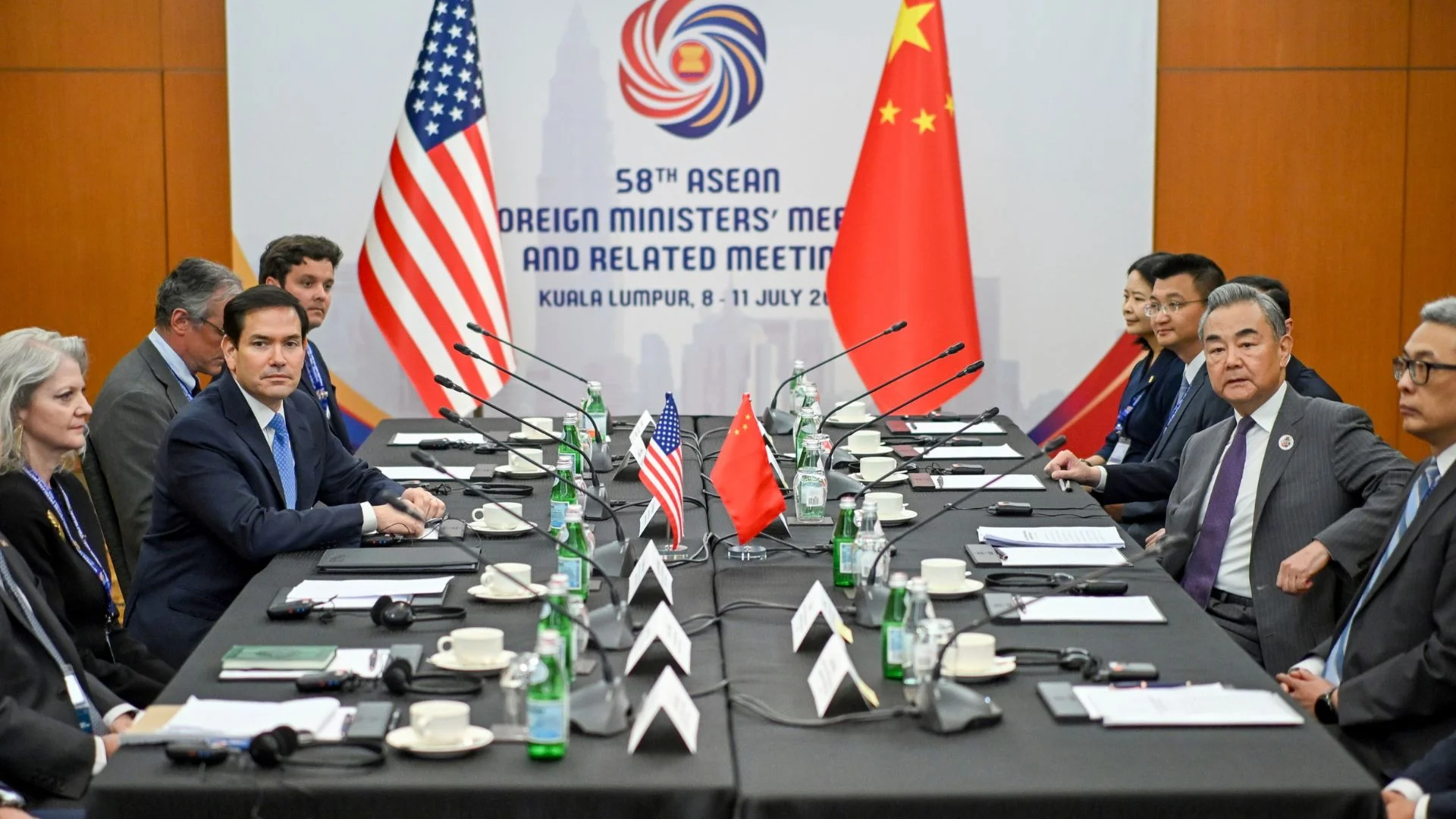
US Secretary of State Marco Rubio characterized his Friday encounter with Chinese Foreign Minister Wang Yi as “positive and constructive,” even as tensions run high over the Biden administration’s latest escalation of deep tariffs against Chinese and other Asian imports.
Rubio, on his first trip to Asia as president, met Wang on the sidelines of the East Asia Summit and ASEAN Regional Forum. The trip was designed to reiterate US commitment to the Indo-Pacific, though it was overshadowed by President Donald Trump’s announcement this week of unprecedented tariffs on imports from several ASEAN countries and key allies like Japan and South Korea.
At their face-to-face encounter, both parties noted differences but indicated willingness to keep channels open. Rubio indicated that the exchange was not a negotiation but an opportunity to set the stage for further engagement. He also asserted that President Trump’s visit to China is on the horizon and subject to further preparation.
“We’re two great countries that have natural differences of opinion,” Rubio said to reporters. “But there’s room for cooperation, and this was a good beginning.”
Wang, however, condemned the US tariffs in previous multilateral negotiations as “typical unilateral bullying.” Still, China’s Foreign Ministry shared the same opinion about the meeting with Rubio being successful and urged for bringing earlier leader-level consensus into practical policy.
Rubio’s outreach campaign, though, arrives at a moment of growing frustration in the region. Trump’s tariffs 25% to more than 100% on imports from Asian economies have caused alarm. ASEAN foreign ministers reacted with a unanimous joint communique with concern about the growing trade tensions and with warning that unilateral tariffs had the potential to splinter the global economy.
China took the opportunity to woo Southeast Asian nations, with Wang promising them support in their right to development and denouncing the US actions as a blow to free trade.
Rubio also sat down with Thailand, Vietnam, Cambodia, and Indonesia foreign ministers in an effort to brand the US as a stronger partner than China. He also met with Russian Foreign Minister Sergei Lavrov on the Ukraine crisis and with Japanese and South Korean officials to further strengthen trilateral relations.
While Rubio was busy on the diplomatic front, analysts state that Washington’s assertive trade stance is making its message of partnership in the region more difficult.