381
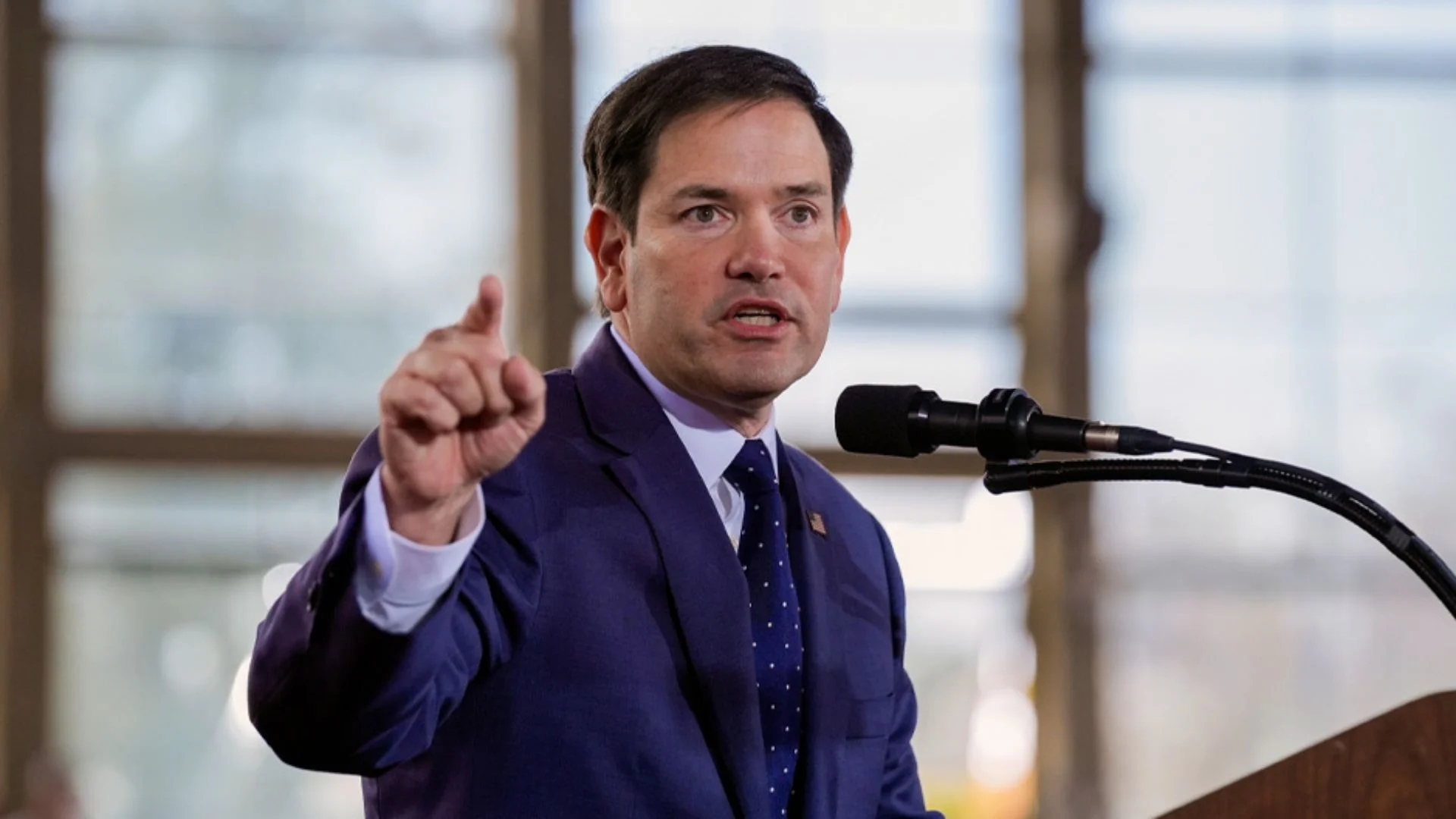
American Secretary of State Marco Rubio attempted to reassure Southeast Asian countries of America’s ongoing commitment to the Indo-Pacific region on his maiden official visit to Asia, despite the shadow cast by President Donald Trump’s broad tariff policy.
Rubio met ASEAN foreign ministers and their international counterparts such as China, Japan, the EU, and Russia at a gathering in Kuala Lumpur on Thursday. Reiterating that the Indo-Pacific would determine world affairs for decades to come, Rubio emphasized the area was still a priority foreign policy concern for the US.
His comments came just days after Trump ordered steep new tariffs effective August 1 on imports from eight ASEAN countries, Japan and South Korea. The decision has put relations with important allies to the test, even as Rubio worked to convey continuity and cooperation.
Japanese Prime Minister Shigeru Ishiba, in response to the threat of tariffs, threatened the necessity of Japan becoming more autonomous in fields like energy, security, and food. Meanwhile, Southeast Asian experts observed that Rubio’s threat was hollow as nations at the same time received White House letters outlining new tariffs.
Analysts indicate Rubio wants to position the US as an improved ally compared to China, although the current trade tension and concerns about American commitment to security have caused apprehension. There are others, such as former White House staffer Christopher Johnstone, who observed that tensions between the US and Japan have not been this high in decades.
Rubio also sat down with Russian Foreign Minister Sergei Lavrov to talk about Ukraine and Middle East wars. A meeting with Chinese Foreign Minister Wang Yi has been scheduled later this week.
During discussions with Malaysian Prime Minister Anwar Ibrahim, Rubio touched on critical mineral supply chains and AI technology security. Anwar stated tariffs was the initial point of discussion, noting that Rubio had promised to convey Malaysia’s concerns to Trump.
ASEAN’s draft communique expressed concern over unilateral tariff actions, highlighting growing regional unease. With only Vietnam securing a tariff reduction deal, most ASEAN members remain on edge as trade tensions rise.
As Asia faces what Malaysia called a “perfect storm” of nationalism and unilateralism, Rubio’s visit underscores Washington’s diplomatic balancing act amid intensifying economic disputes.