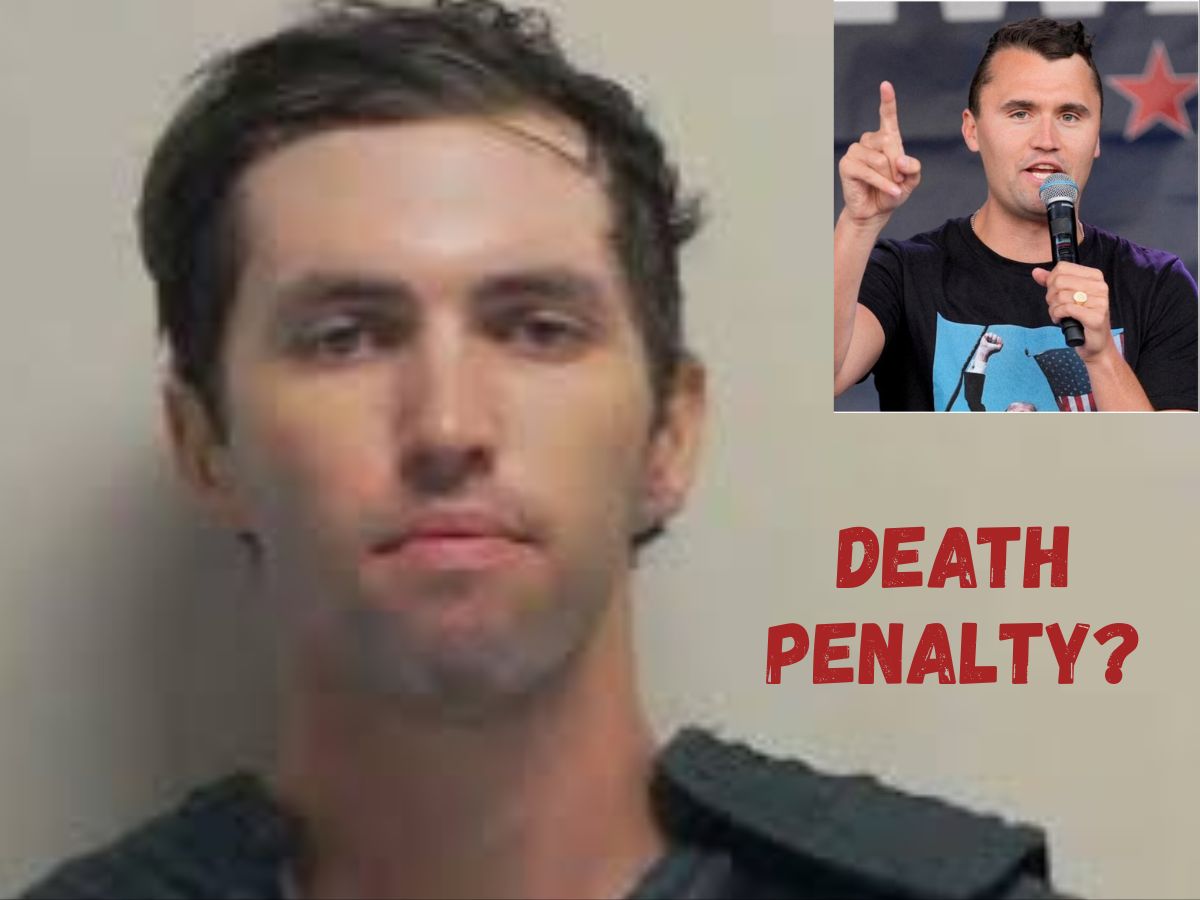
“I had enough of his hatred.” This chilling message, allegedly sent by 22-year-old Tyler Robinson to his roommate, is now a central piece of evidence in the assassination of conservative activist Charlie Kirk. Prosecutors in Utah declared on Tuesday that they would pursue the death penalty against Robinson, presenting a wealth of evidence, including text messages, that they claim constitute a complete confession and demonstrate a political animosity-based motivation.
Charges on Tyler Robinson
Tyler Robinson is accused of firing the single, fatal rifle shot that pierced Charlie Kirk’s neck last Wednesday on the campus of Utah Valley University in Orem. Prosecutors have filed seven criminal counts against him, including:
- Aggravated Murder
- Obstruction of Justice (for disposing of evidence)
- Witness Tampering (for asking his roommate to delete texts)
Utah County District Attorney Jeffrey Gray stated the decision to seek the ultimate punishment was made “independently, based solely on the available evidence and circumstances and nature of the crime.”
What Evidence Did Prosecutors Reveal?
The court documents paint a picture of a premeditated act. Prosecutors allege that on the day of the shooting, Robinson texted his roommate, instructing them to look for a note under his keyboard. The note read: “I had the opportunity to take out Charlie Kirk and I’m going to take it.”
When the roommate texted back, “you weren’t the one who did it right????”, Robinson replied, “I am, I’m sorry.” When asked why, he wrote, “I had enough of his hatred. Some hate can’t be negotiated out.” He also confessed to planning the attack for over a week.
What Was the Motive Behind the Assassination?
While the investigation is ongoing, the evidence points heavily to a politically motivated hate crime. Robinson’s mother told police her son had become more left-leaning and “pro-gay and trans-rights oriented” over the past year. This shift led to family tensions, particularly with his father, who held “very different political views.”
Charlie Kirk was a divisive personality who co-founded Turning Point USA at the age of thirty-one. His rhetoric has long been denounced by civil rights activists as misogynistic, racist, anti-immigrant, and transphobic. His supporters, however, saw him as a staunch defender of conservative values. Prosecutors have added aggravating factors to the charges because they believe Robinson targeted Kirk specifically for his political views.
What Happened in Court?
Robinson made his initial court appearance via video feed from jail, unshaven and wearing a protective vest. He remained largely expressionless, speaking only to confirm his name. The judge informed him he could face the death penalty and appointed a defense attorney before scheduling the next hearing for September 29.
How Did the Investigation Unfold?
Robinson was at large for over 30 hours after the shooting. He turned himself in only after his parents saw images of the gunman, confronted him, and convinced him to meet them. With their urging and after speaking to a retired deputy sheriff, Robinson agreed to surrender.
Before doing so, he texted his roommate, “I’m much more worried about you,” and urged them to delete their messages and refuse to speak with police. The roommate is now cooperating with authorities. DNA evidence found on the trigger of the suspected murder weapon has also been linked to Robinson.
Also Read: Murder Charges Filed Against Suspect Tyler Robinson In Assassination Case of Charlie Kirk
Why Does This Case Resonate So Deeply?
The killing, captured in graphic viral videos, has unnerved a nation already witnessing a spike in political violence. From attempted assassinations of Donald Trump to the murder of a Democratic lawmaker in Minnesota, targets have come from both sides of the aisle. A recent Reuters/Ipsos poll found roughly two-thirds of Americans believe harsh political rhetoric is encouraging violence. Top administration officials have already threatened to go after left-wing organizations, while critics fear the killing could be used as a pretext to crack down on political opponents.