
Trial Begins Under Security and Legal Limelight
Jury selection began Monday at the federal courthouse in Fort Pierce, Florida, for Ryan Wesley Routh, 59, who is accused of trying to assassinate former President Donald Trump last year. It happened at Trump’s West Palm Beach golf course on September 15, 2024, just a few months after another assassination attempt on Trump’s life at a campaign rally in Pennsylvania. Routh could get life in prison if convicted.
Unlike the majority of defendants, Routh has decided to act pro se, even with standby counsel public defenders assigned to him. Judge Aileen Cannon, an appointee of Trump from his first term, allowed Routh to go pro se but mandated his lawyers to be present. Cannon shut down some of Routh’s political remarks questions made during the process of jury selection as irrelevant.
The Alleged Attack and Evidence Against Routh
According to federal authorities, Routh was seen protruding through the golf course fence line by a Secret Service agent. When the agent fired at him, Routh dropped his weapons and fled, later being arrested in a nearby county. Trump was unharmed.
The Justice Department outlined how agents seized an SKS semiautomatic rifle, ammunition, a plate of small-arms stopping capability, and a backpack. They also discovered documents that included dates and sites of Trump appearances. Routh entered not-guilty pleas to charges such as attempted assassination and possession of a firearm by a convicted felon. In a court filing, he even proposed a golf challenge to Trump, with the winner getting to decide the other’s fate.
ALSO READ: President Trump Caught Taking Pill at US Open, Fueling Online Rumors
Challenges for the Defense and Jury
Commented on by former federal prosecutor Neama Rahmani, it might be hard to find impartial jurors because Routh was representing himself and because the case was politically driven. “Self-represented defendants seldom win, especially in high-profile cases with seasoned prosecutors,” Rahmani said, explaining that a mental health defense or jury nullification would possibly be Routh’s only avenues to escape a conviction.
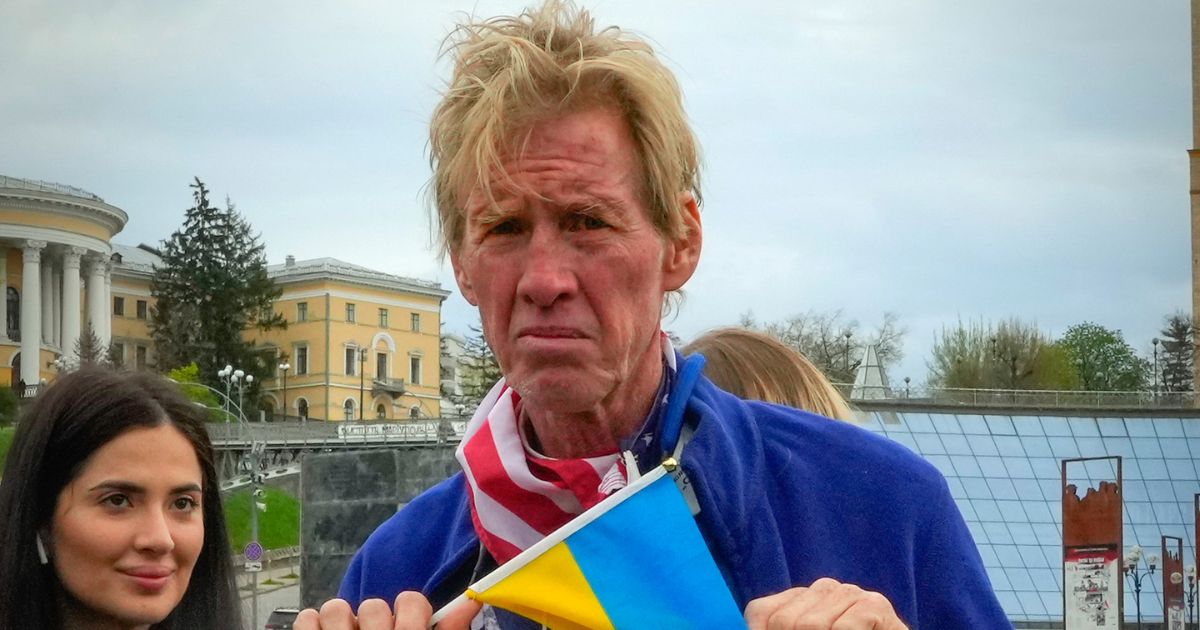
Routh’s history is one of having lived in North Carolina and Hawaii and fighting with Ukrainian soldiers in the Russia-Ukraine war, which he called a fight between good and evil. He has tattoos and a previous criminal conviction, including tattoos and a charge of larceny in 1997.
Next Steps in the Trial
The trial is being given four weeks, with the selection of jurors to take three days. Opening statements will start on Thursday. Trump described the incident on social media, highlighting the role of the Secret Service in averting harm, and then-Attorney General Merrick Garland decried the attack, promising that the Justice Department would bring Routh to justice.