
The U.S. military recently targeted suspected drug-trafficking boats in the Caribbean. The operations triggered controversy after media reports claimed American troops killed survivors of a missile strike. The controversy mounted when one outlet said survivors of an initial attack were targeted again, leading to additional deaths.
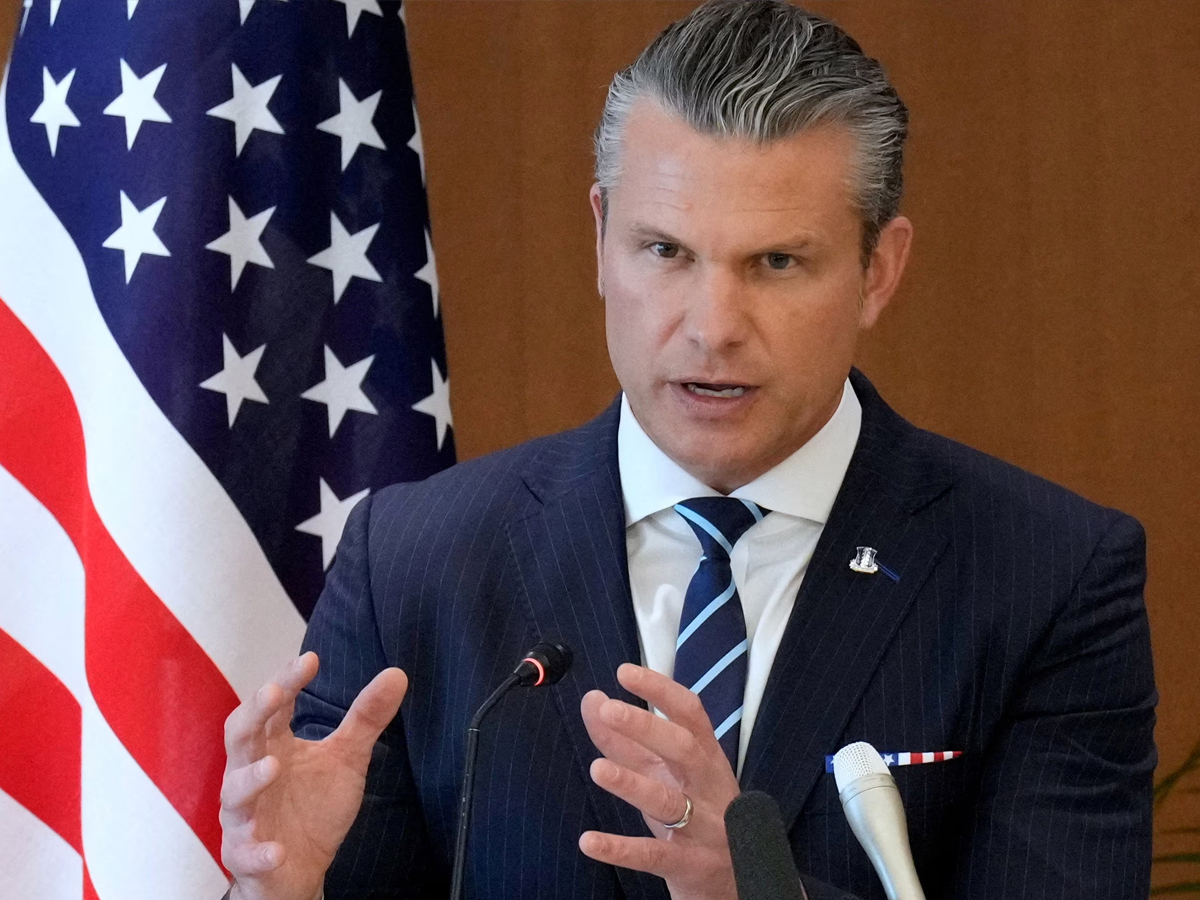
In response, the U.S. Secretary of War, Pete Hegseth, defended the strikes forcefully. He called the media reports “fake news” and insisted the operations were lawful, aimed at stopping narcotics from entering America and destroying narco-terrorist networks.
Why Hegseth Calls the Strikes Necessary
Hegseth argued that the narcotics flowing from drug-trafficking vessels pose an existential threat. He said the strikes were meant to halt the flow of lethal drugs and dismantle narco-terrorist operations.
He stated, “These highly effective strikes are specifically intended to be ‘lethal, kinetic strikes.’ The declared intent is to stop lethal drugs, destroy narco-boats, and kill the narco-terrorists who are poisoning the American people.” According to him, every trafficker targeted was affiliated with a Designated Terrorist Organization.
He also emphasised that all actions complied with U.S. law and international treaties. “Our current operations in the Caribbean are lawful under both U.S. and international law, with all actions in compliance with the law of armed conflict — and approved by the best military and civilian lawyers,” he said.
What Media Reported — And What Is Disputed
Earlier reports claimed that after a first strike, some survivors were seen in the water. A follow-up missile strike reportedly targeted them, leading to their death. Some outlets claimed U.S. troops had orders to shoot everyone on board suspected narco-vessels.
Critics argued this violated international humanitarian law, especially the principle of saving survivors once a strike ends. Others questioned whether the second strike had proper identification and aimed at confirmed targets.
Hegseth rejected such claims, saying they misrepresented operational context and used inflammatory angles to discredit troops who fight narco-terrorism.
What Critics and Supporters Are Saying
Supporters of the operation back Hegseth’s remarks. They say the drug trade funds violent cartels and terror groups, so aggressive action is necessary. They argue that normal law enforcement failed to stop massive smuggling, making military intervention a last step.
Meanwhile, human rights advocates warn that targeting vessels — especially if survivors exist — can cross into illegal killing. They demand transparency: clear logs, video evidence, and independent investigations. They also call for strict adherence to international maritime and humanitarian laws.
Why This Issue Matters for the US and Region
The Caribbean narco-boat strikes show how the U.S. is shifting toward more militarised anti-drug efforts. If accepted by allies and maritime authorities, such operations may expand across regional waters — especially near Venezuela, a known transit point for Latin American and Caribbean drug routes.
Given rising tensions over possible land-based operations against cartels in the region, the legal and ethical boundaries of such actions will stay under global scrutiny.