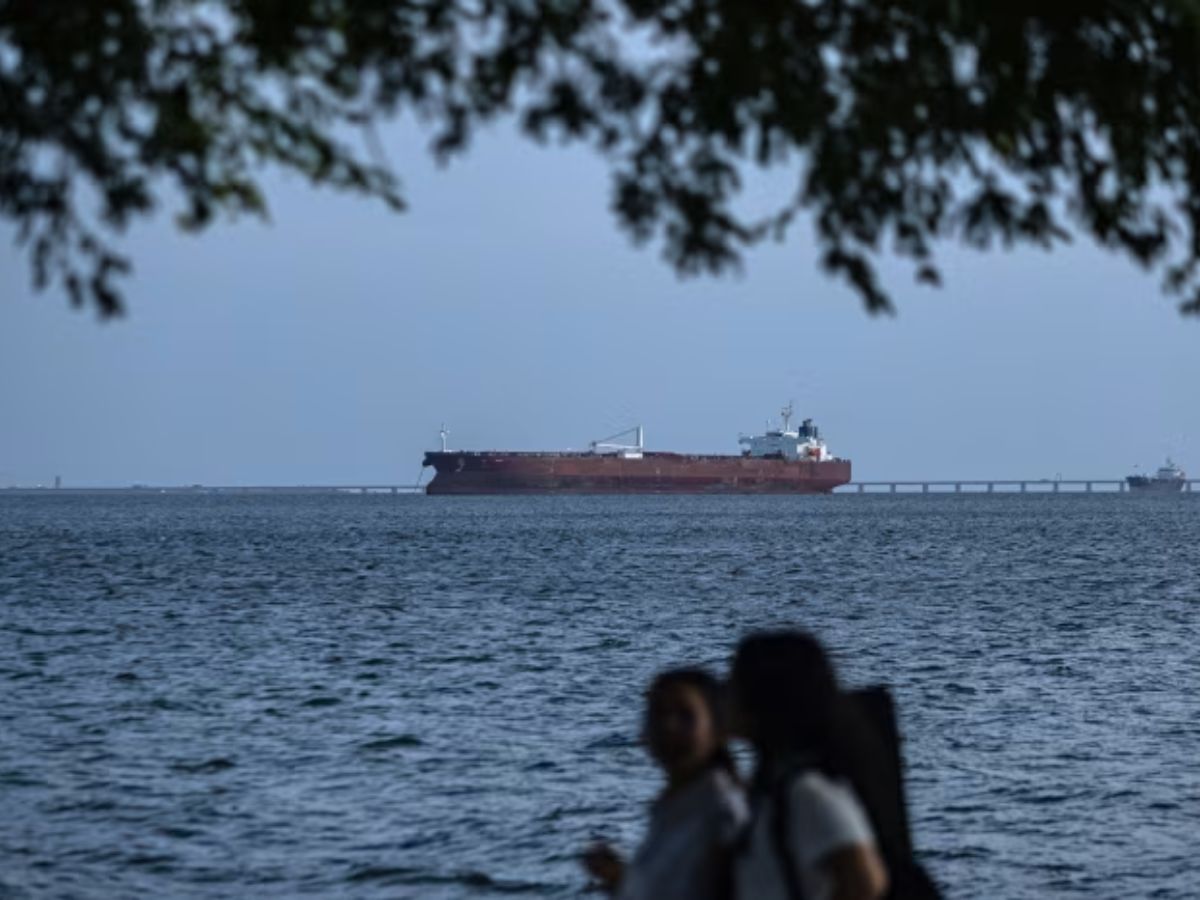
In a strategic pivot, the White House has reportedly directed the U.S. military to concentrate almost entirely on enforcing a maritime “quarantine” of Venezuelan oil for at least the next two months. This action represents a change in strategy from President Donald Trump’s earlier warnings of more extensive military action, with the goal now being to use intense economic pressure to bring down the Nicolas Maduro dictatorship.
The ‘Economic Calamity’ Strategy
What does the U.S. hope to achieve by focusing on oil? According to a White House official quoted by Reuters, the current belief within the Trump administration is that by enforcing strict sanctions and cutting off Venezuela’s crucial oil revenue, they can inflict such profound “economic calamity” on the country by late January that President Nicolas Maduro will be forced to make “significant concessions.” While military options reportedly remain on the table, the immediate goal is to use overwhelming economic pressure to achieve U.S. objectives, which include the return of allegedly stolen assets.
Also Read: Unnao Rape Case: CBI to Challenge Ex-MLA Kuldeep Sengar’s Bail in Supreme Court
Decoding Trump’s ‘Blockade’ Announcement
Was the President declaring war? President Trump recently announced a “TOTAL AND COMPLETE BLOCKADE” of all sanctioned Venezuelan oil tankers on his Truth Social platform. Under international law, a full naval blockade is considered an act of war. However, analysts and former officials, cited by ABC News, clarify that by specifying only “sanctioned” vessels, Trump’s order points toward a legal “quarantine.” This is a more targeted law enforcement action, primarily executed by the U.S. Coast Guard, rather than an act of war against all shipping. The latest White House directive to the military confirms this focused approach.
Military Deployment and Recent Actions
What forces are involved, and what have they done so far? The U.S. has assembled a significant military presence near Venezuela, including approximately 15,000 troops and 11 warships. This force is now being tasked with the quarantine mission. In recent months, the U.S. has already taken aggressive steps to disrupt Venezuelan oil and drug trafficking, conducting over two dozen strikes on alleged drug boats and seizing at least two oil tankers, The Skipper and Centuries. A third tanker, Bella 1, was pursued but escaped.
The Broader Pressure Campaign on Maduro
Why is the U.S. targeting Venezuela so intensely? The Trump administration, along with over 50 other countries according to Secretary of State Marco Rubio, does not recognize Nicolas Maduro as Venezuela’s legitimate president. The U.S. accuses him of running a “drug cartel.” Beyond military and economic pressure, the administration has designated Venezuelan criminal gangs and government-linked groups like the Cartel de los Soles as Foreign Terrorist Organizations (FTOs), expanding the legal and financial tools to isolate the regime.
FAQs: Understanding the Venezuela Crisis
Q: Is the U.S. going to war with Venezuela?
A: For now, the focus has shifted from potential land invasions to an economic strategy. The U.S. is enforcing a “quarantine” on sanctioned oil tankers, a step short of a full act-of-war blockade.
Q: What is the goal of the oil quarantine?
A: The stated goal is to cut off the Maduro regime’s main source of revenue, creating an “economic calamity” severe enough to force political concessions, including the return of assets the U.S. claims were stolen.
Q: How long will this last?
A: The White House has ordered the military to focus on this mission for at least the next two months, with a key benchmark for pressure set for late January.
Q: What has the U.S. done so far?
A: Actions include military strikes on drug boats, the seizure of oil tankers, and the designation of Venezuelan groups as terrorist organizations, alongside diplomatic isolation.