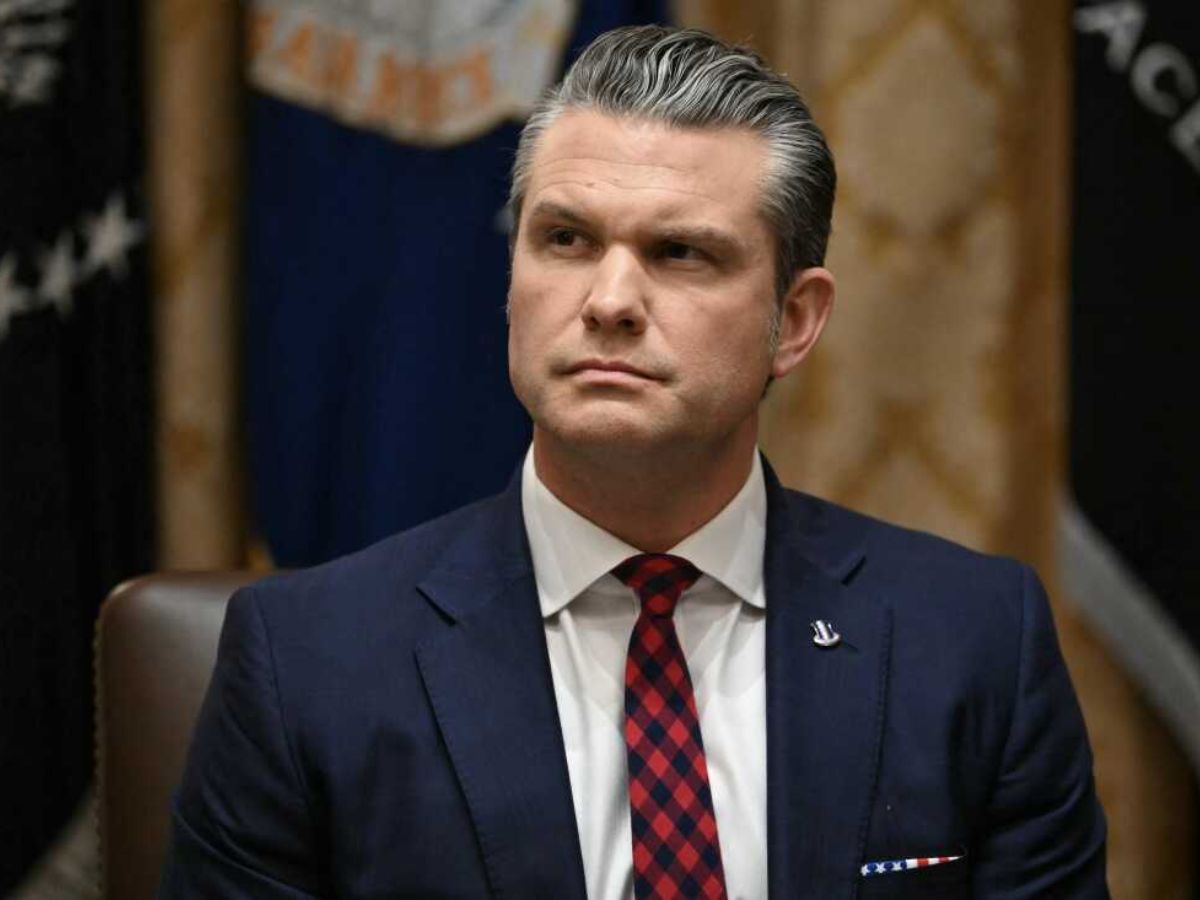
A Pentagon Inspector General’s report has faulted Defense Secretary Pete Hegseth for his use of the encrypted messaging app Signal to discuss sensitive details of military strikes in Yemen. According to sources familiar with the document, the investigation concluded the practice could have jeopardized U.S. troops and missions if intercepted, but it did not rule on whether the information was improperly classified due to the Secretary’s unique declassification authority.
What Did the Investigation Find?
The independent watchdog’s report centered on Hegseth’s use of his personal device and the Signal app to transmit information about specific, imminent military operations. The investigation found that information provided to Hegseth by the U.S. military was classified at the time it was sent to him.
The core criticism is one of security judgment, not a direct violation of classification law. The IG determined that communicating such operational details—including the timing of a strike against a Houthi militant leader just two hours before execution—via a personal device posed a risk. “It could have put U.S. service members and the mission itself at risk had the chat been intercepted,” sources cited the report as stating.
Also Read: World’s Longest Suspension Bridge Plan for Italy Derailed by Legal, Environmental Flaws
What Was Hegseth’s Defense?
Secretary Hegseth declined to be interviewed for the investigation. In a written statement to the IG, he argued that as Defense Secretary, he has the authority to declassify information as he sees fit and insisted he only texted details he believed posed no operational risk.
He also characterized the investigation as politically motivated, despite it being initiated by bipartisan requests from Republican and Democratic lawmakers. Hegseth has publicly denied ever texting “war plans” or sharing classified information. The report said Hegseth shared only a small set of his Signal messages, so investigators had to partly rely on screenshots that The Atlantic had published.
Why Is This a Significant Security Concern?
The findings have alarmed national security veterans and lawmakers. Details about the timing and targeting of strikes are considered among the most sensitive pre-operation secrets. If adversaries intercepted such communications, it could allow targets to flee or force the U.S. to call off missions, potentially endangering the troops involved.
While the report’s sources indicated the leaked chat did not include precise names or locations that could directly target U.S. personnel, the mere discussion of an operation’s imminence is viewed as a major security lapse by many officials.The event underscores the tension between officials choosing simple, private messaging options and the government’s tight rules for keeping national security data safe.
Also Read: Doctor Sentenced for Supplying Ketamine in Matthew Perry’s Overdose Death
Your Questions Answered: Pentagon IG Report FAQs
Q: Did the report say Hegseth broke classification laws?
A: No. It notably did not rule on that point, acknowledging that the Defense Secretary has the authority to declassify information. The fault was based on the security risk of the communication method, not the legal classification of the content.
Q: What was the specific risk cited?
A: According to the Inspector General, sharing sensitive operational details on Signal from a personal device might have endangered U.S. forces and jeopardized missions if the communications were intercepted.
Q: How did this information become public?
A: Screenshots of the Signal group discussion were originally shared by journalist Jeffrey Goldberg in The Atlantic after administration officials contested his account.
Q: Did Hegseth cooperate with the investigation?
A: He submitted a written statement but turned down a request for an interview. Additionally, only a small portion of his texts were submitted for evaluation, according to the report.
Q: What happens next?
A: The report represents the conclusion of the IG’s investigation. As a finding of fault rather than a legal violation, it is largely a reputational and political blow, likely fueling further congressional scrutiny of the administration’s security protocols.
Also Read: FTC Clears Boeing’s $8.3 Billion Spirit AeroSystems Deal, Mandates Airbus Divestments