Doctors are warning Oklahomans to be cautious of snakes and bites this time of the year: “If you’ve been bitten or your child has been bitten just come on in.
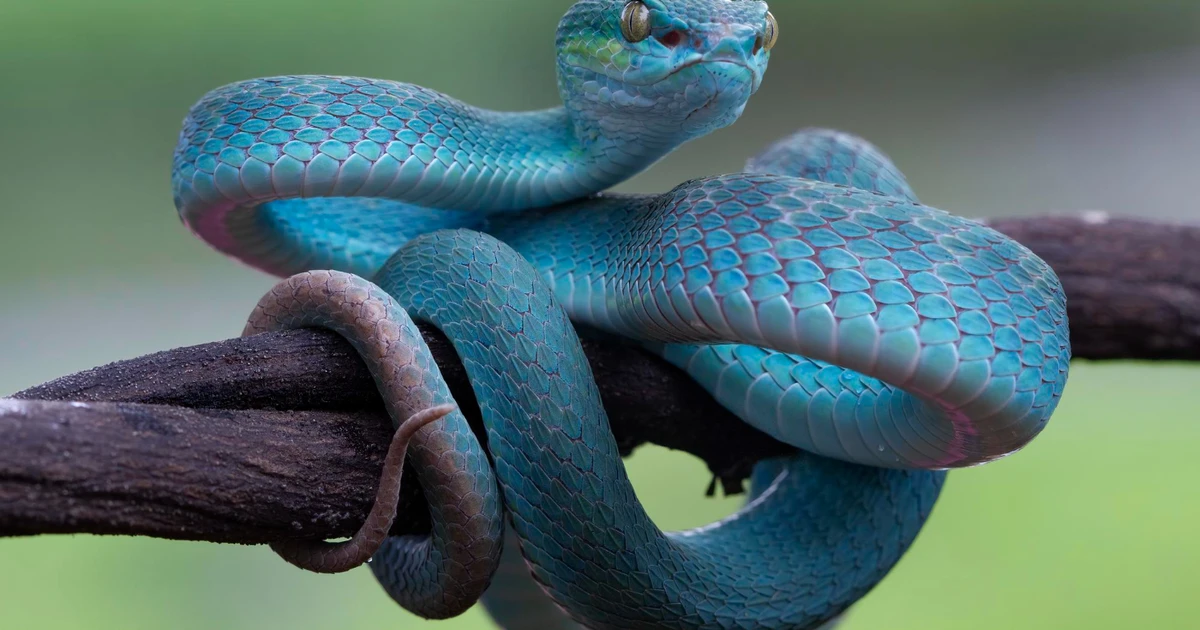
Local doctors in and around Oklahoma have started warning people living in the area to be cautious of snake bites. Given frequent outdoors activity such as hiking at this time of the year, snake-bite incidents usually go on a peak and tend to have disastrous consequences if left untreated.
There is such a thing as a dry bite. There is a phenomenon where a venomous snake can bite you and not envenomate you. I don’t recommend waiting around to see for signs or symptoms. I think if you’ve been bitten or your child has been bitten just come on in.
Recognizing the Signs of a Snake Bite
Snake venom can affect people in various ways, so it’s crucial to know the key symptoms to look out for. According to Hopkins Medicine, here are some warning signs that might show up after a snake bite:
- Bleeding or bloody discharge from the wound
- Swelling or visible fang marks at the bite site
- Intense pain where the snake struck
- Redness, bruising, or blistering around the area
- Swollen lymph nodes near the bite
- Numbness, tingling (especially around the mouth), or burning sensations
- Nausea, vomiting, diarrhea
- Dizziness, fainting, or blurred vision
- Rapid heartbeat, heavy sweating, or fever
- Breathing difficulties, convulsions, or loss of muscle coordination
Shock, paralysis, or changes in mental state
These symptoms can vary in severity depending on the snake species and the amount of venom injected. Regardless, even mild symptoms should prompt immediate medical attention.
What to Do After a Bite
If you or someone nearby gets bitten, acting quickly can make a significant difference. Medical experts suggest the following steps:
- Gently wash the bite area with soap and water to lower the risk of infection.
- Cover the wound with a clean, sterile bandage.
- Keep the affected area still and at or slightly below heart level if you can.
- Avoid using ice, cutting the wound, or trying to suck out the venom—these outdated methods can actually cause harm.
- Seek medical help right away.
Why Quick Response Matters
Snake bites can be extremely painful and can quickly turn into life-threatening situations if not treated. Antivenom, when given promptly, can help prevent serious complications. However, waiting too long can allow the venom to spread, increasing the risk of tissue damage, infection, or worse.
Dr. Burns emphasized that going to a healthcare facility is always the safest option. “There’s no harm in coming in and finding out it was a dry bite,” he noted. “But waiting too long can turn a manageable situation into a crisis.