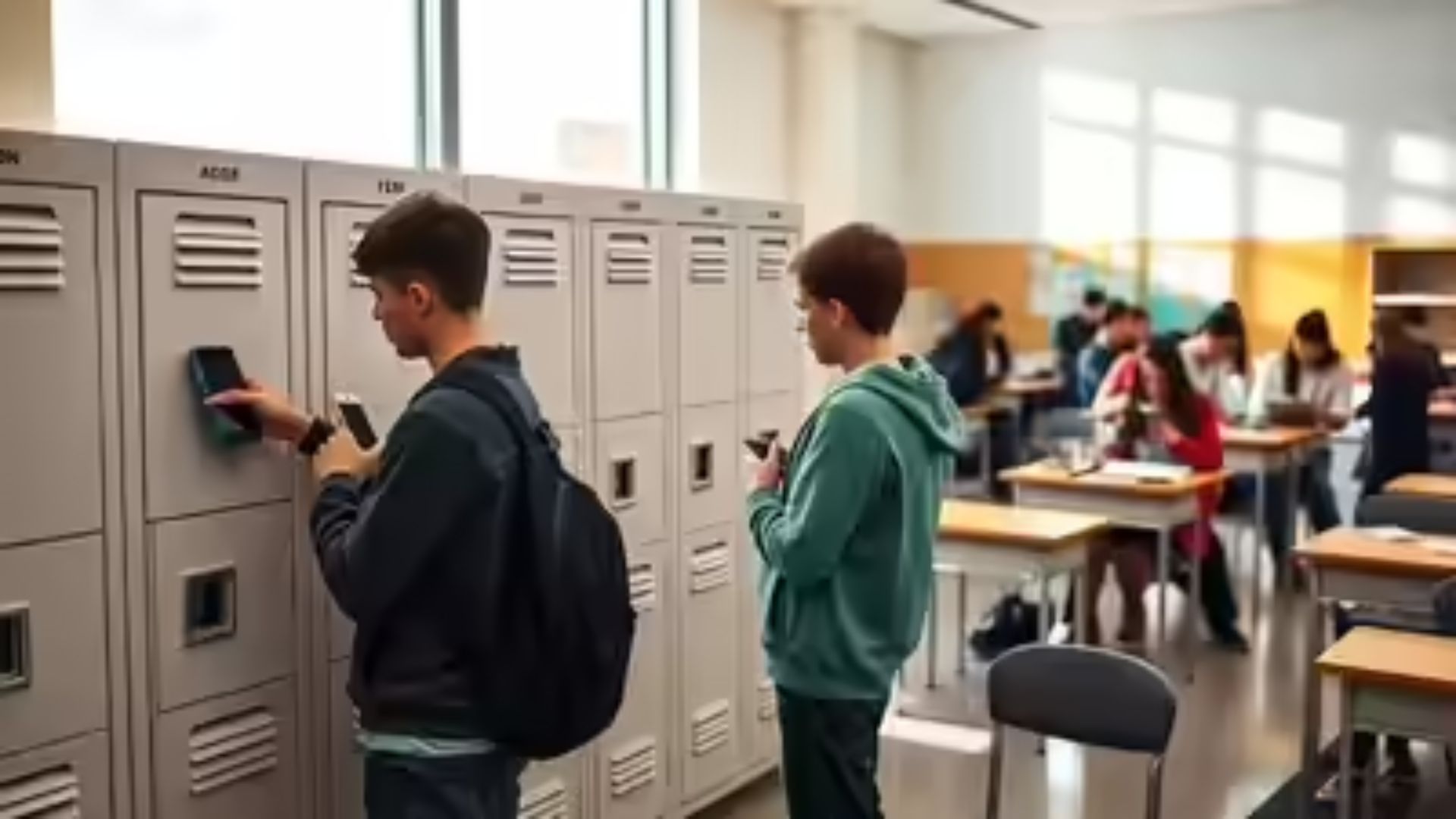
Starting this fall, New York City public school students will not be allowed to use phones, tablets, or smartwatches in schools during school time, as reported by the New York Post. The initiative, which aims to help create a healthier learning environment, was approved by the city’s Panel for Education Policy by a 14-1 margin.
Every one of the city’s 1,600 public schools will have to make a determination about how to enforce the rule on its campus. Schools might use magnetic pouches, which cost around $30 apiece, to hold devices during the school day. The city is providing $25 million to assist schools with the implementation of this policy.
“This is going to be a dynamic regulation. We will have periodic check-ins on how it’s going,” said Schools Chancellor Melissa Aviles-Ramos.
Exemptions and Flexibility
Some exceptions will be made. Students with medical requirements, like monitoring for insulin, or those who need to take care of family members will be permitted to use their devices during the school day. Teachers will also be able to allow students to use phones for certain schoolwork.
Push from Leadership and Public Support
The action comes in response to Governor Kathy Hochul’s call to prohibit phones in schools, echoing increasing concern over distractions caused by devices. Students will continue to be permitted to use their phones on their way to school but are required to store them away once at school.
Chancellor Aviles-Ramos added, “I am proud to be announcing a policy that considers input from unions and advocacy organizations, families, community members, and our students.”
Mayor Eric Adams was also a vocal supporter of the policy. “The state ban on cell phones was the first move in getting our children back on track to learn and flourish in safe, supportive environments, and this new cell phone policy is the next move in assuring students are provided with the best possible chance to succeed in school,” he said.
Focus on Equity, Not Punishment
Chancellor Aviles-Ramos insisted that the students will not receive suspensions immediately for not complying. “We want to ensure equity is at the center of it,” she said to the panel, suggesting a vision for fairness over hardline punishment in the first stages of the policy.