
From October 6 to 13, the world is turning its attention to the announcement of the 2025 Nobel Prizes. These awards honour the highest achievements in medicine, physics, chemistry, literature, peace, and economics.
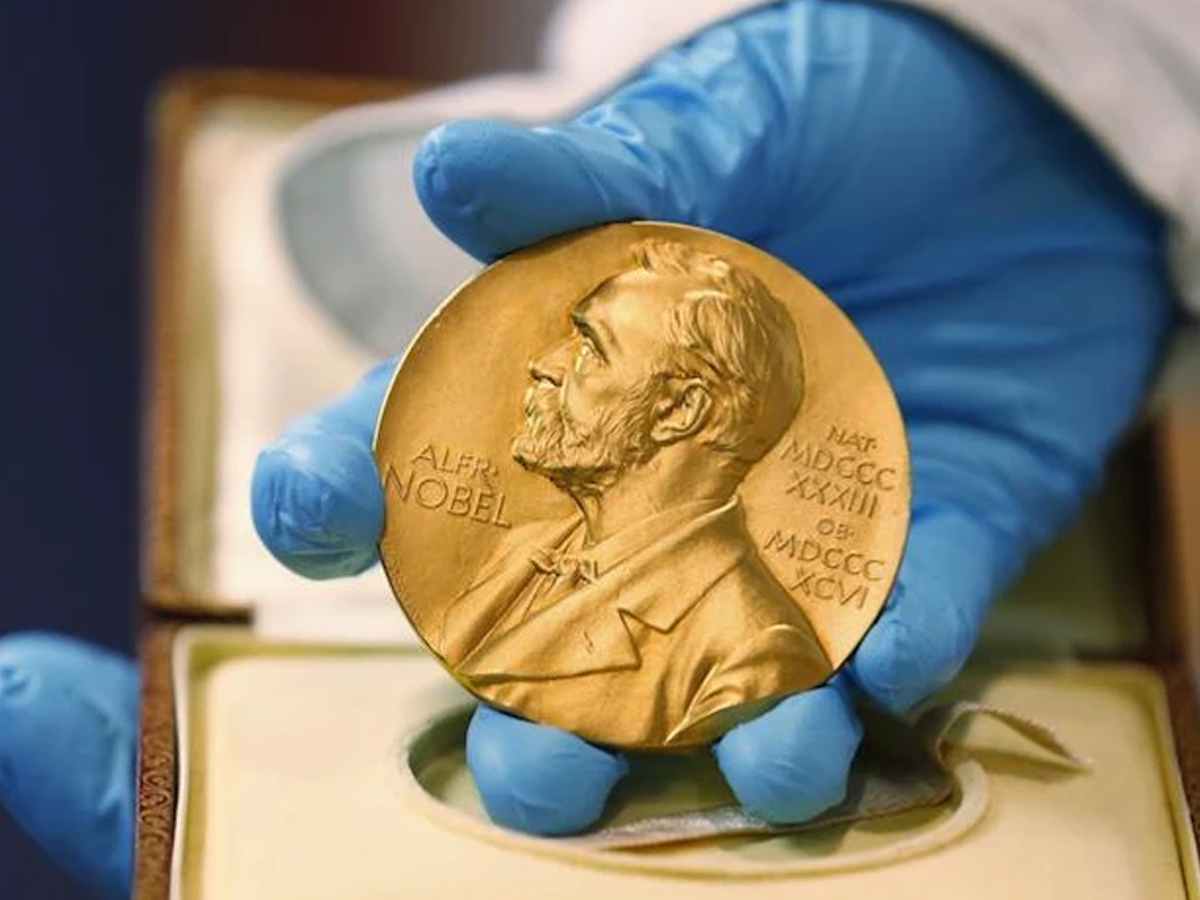
We explain how one gets nominated, what winners receive, and the design of the medals.
What Are the Nobel Prizes?
The Nobel Prizes rank among the most respected global honours. They recognise outstanding contributions in six categories: physiology or medicine, physics, chemistry, literature, peace, and economic sciences. The last is officially the “Sveriges Riksbank Prize in Economic Sciences in Memory of Alfred Nobel,” added in 1968.
The Peace Prize has a special origin. It was defined to go “to the person who has done the most or best to advance fellowship among nations, the abolition or reduction of standing armies, and the establishment and promotion of peace congresses.”
How Does One Get Nominated?
Every autumn, the Nobel committees send nomination forms to a select group of eligible nominators. These include past laureates, members of awarding institutions, and scholarly experts in relevant fields.
Over 6,000 people worldwide receive invitations to nominate candidates. Typically, about 1,000 people respond, submitting nominations. Usually, 100–250 nominees are under consideration for each prize.
Nominators must submit a detailed written proposal that outlines why the candidate deserves the award. Self-nominations disqualify a person automatically.
The deadline for nominations is January 31 each year. Any nomination arriving after this date is usually considered for the next year’s prize.
Prize Money, Size of Medals, and Ceremony
Each Nobel Prize carries an award of 11 million Swedish kronor (roughly US$1.2 million). The monetary prize may be shared by up to three laureates in one category.
Winners also receive:
- An 18-carat gold medal, plated with 24-carat gold.
- A diploma, often a unique piece of art or calligraphy.
- The official recognition at a royal ceremony in Stockholm, where King Carl XVI Gustaf presents the medal and diploma.
What is the Size of Nobel Medals?
- Each medal is about 66 mm in diameter (2.6 inches).
- The standard medal weighs around 175 grams.
- The Economic Sciences medal is somewhat heavier, about 185 grams.
- The Peace Prize medal is special: it weighs about 196 grams.
- Before 1980, Nobel medals were made of 23-carat gold. Since then, they have been crafted from 18-carat “green gold” (an alloy of gold and silver) and then plated with 24-carat gold.
When and Where the Prizes Are Awarded
During Nobel Week in December, laureates are honoured in Stockholm (for most prizes) and Oslo (for the Peace Prize). The ceremonies bring together dignitaries, scientists, literary figures, and political leaders.
During the awards, laureates receive their medals, diplomas, and the prize amount in person.