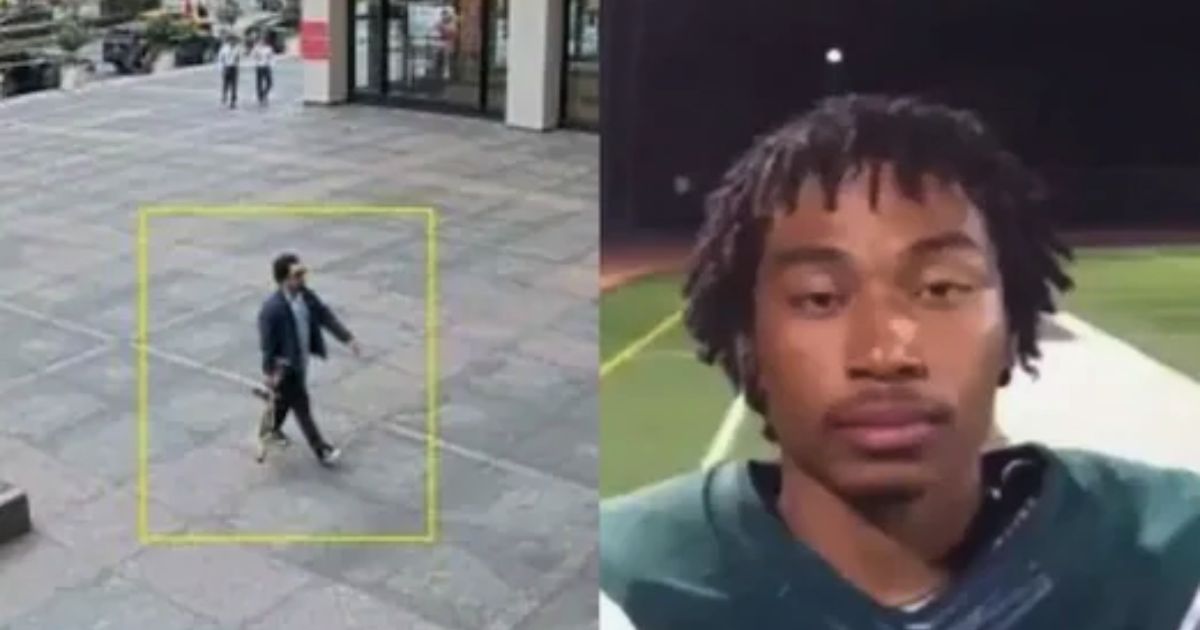
Shane Devon Tamura, a 27-year-old Las Vegas man and ex-high school football player, drove from the West Coast and fired inside a Manhattan office building on July 28, killing four—the fourth being a police officer—before shooting himself. He stormed into 345 Park Avenue, a commercial high-rise occupied by the NFL and other well-known tenants, and conducted a deliberate assault floor by floor.
Police found a rifle, revolver, bullets, magazines, and prescription drugs in his possession. The NYPD revealed that Tamura had previously been diagnosed with mental illness, held a concealed carry permit, and had no known accomplices. Authorities continue to sort through the reasons why he targeted this venue and what ultimately drove him to snap.
Young Athlete’s Quiet Fall
Tamura was once the standout on the football field. A Granada Hills Charter High School running back in California, he played with hopes of one day going pro. But for many of the high school jocks, that dream faded into silence after graduation. He relocated to Las Vegas, where he worked in private security, even at a casino. Friends from that period say he was “withdrawn,” fixated at times on crime shows and football injuries.
As of 2023, Tamura had a misdemeanour trespassing offense but no extensive criminal history. Nonetheless, behind the scenes, he was dealing with mental health issues. The law enforcement in Nevada attested to the fact that he had a documented psychiatric background and was on medication when the shooting took place.
Attack at 345 Park Avenue
Tamura’s attack started shortly after 6:30 p.m. on Monday. He had driven down from Nevada alone over two days through Colorado, Nebraska, and New Jersey. His black BMW was seen in Columbia, NJ, just before the shooting.
Carrying an AR-style rifle, he entered the lobby of 345 Park Avenue—where companies such as the NFL, KPMG, and Blackstone are headquartered—and began firing. NYPD Officer Didarul Islam, a father of two, was among the first to be hit. Tamura then shot at other people: a female civilian, a private security guard, and a building staff member. He proceeded to the 33rd floor, where he shot another individual before taking his own life.
Police found a rifle case, a fully loaded revolver, additional magazines, a backpack, and the prescribed medication for Tamura. Bomb teams swept his vehicle and found nothing explosive.
Victims and Consequences
The four killed consisted of Officer Islam, a private security guard, and two civilians. A single person is in critical condition. Officer Islam’s death shocked the NYPD—he was considered very brave and had an unborn child on the way.
The NFL confirmed that one of its staff members was one of those hurt. Security procedures in all of Manhattan’s corporate skyscrapers have been reviewed and solidified.
Grudge Against the NFL?
One aspect has caused greater alarm. The police discovered a handwritten note in Tamura’s pocket. It spoke of concussions, CTE (chronic traumatic encephalopathy), and was angry at the NFL’s approach to traumatic brain injuries. The note referred to dead player Terry Long, who had had CTE, and there was a chilling plea to examine Long’s brain “correctly.”
Investigators are now looking into whether Tamura’s assault was a warped act of vengeance linked to the league’s well-documented concussion history. While he never played professionally, people familiar with the investigation suggest that Tamura may have perceived himself as personally aggrieved or duped by football’s culture of toughness and omission.
Mental Health and Missed Signals
The assault highlights America’s consistent failure to treat mental illness, particularly among men who slip through systemic cracks. Tamura lawfully acquired a concealed carry permit last year, even after his psychiatric history. That he could drive across several states with high-capacity weapons without triggering alarms speaks to glaring oversight lapses.
Commissioner Jessica Tisch confirmed that there is no ongoing threat to the city but reiterated that the investigation into Tamura’s online history and psychiatric records is continuing.
Collapse Foretold
Shane Tamura’s journey from a promising high school athlete to an isolated shooter in one of New York City’s tallest office buildings is a sickening portrait of inner disintegration. Under the quiet of a private existence, there festered anger, disillusionment, and perhaps unaddressed trauma.
His behaviour left a path of destruction, and now, authorities and loved ones are left reeling over how something might have been done to stop such a slide. As the city weeps over its dead, the question lingers: How many more troubled men need to fall between the cracks before the system realizes they are coming?