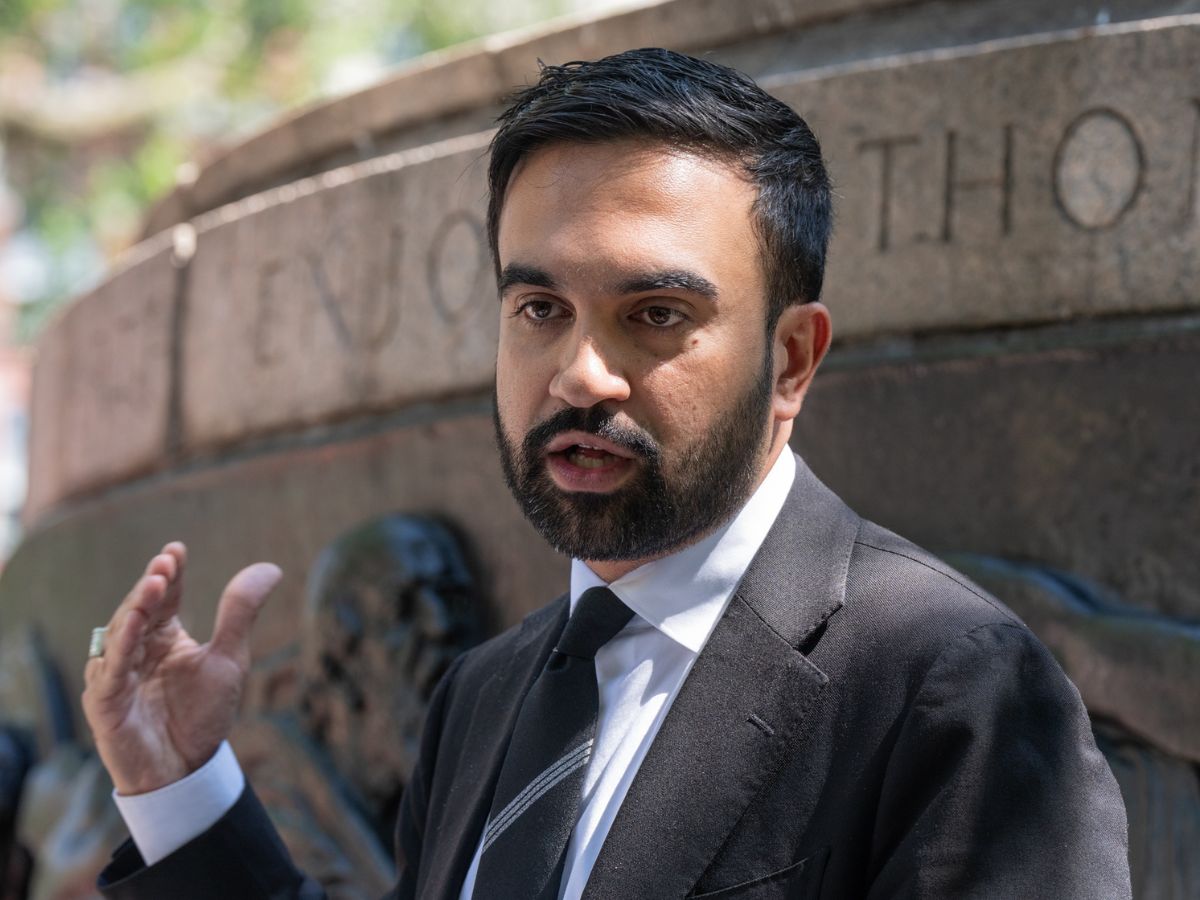
Zohran Mamdani’s election as New York’s new mayor has shaken the city’s political order, but its biggest impact may be felt within the world’s largest Jewish community outside Israel. His victory has laid bare a widening divide among Jews themselves, splitting generations and beliefs and hinting at a lasting political transformation.
Who is Zohran Mamdani and Why Has He Alarmed Jewish Groups?
Zohran Mamdani, a 34-year-old democratic socialist and Muslim immigrant, handily defeated former Governor Andrew Cuomo. His campaign was marked by strong support for Palestinians in Gaza, which opponents labeled as antisemitic. Groups like the Anti-Defamation League (ADL) responded with alarm, launching a “Mamdani Monitor” to track his actions for potential harm to the Jewish community. “Our job is quite simple – to protect the Jewish people,” said Jonathan Greenblatt, the ADL’s chief executive. For many traditional, older Jewish voters, Mamdani’s positions represent a break from longstanding communal support for Israel, creating a sense of unease about his tenure.
Also Read: Federal Standoff: USDA Directs States to Halt Full SNAP Payments After Supreme Court Ruling
What Do the Exit Polls Reveal About a Changing Community?
The election data tells a story of a community in transition. Exit polls showed that about one-third of Jewish voters in New York supported Mamdani. This significant minority was enough to help power his victory and stunned opponents accustomed to a more unified bloc. The divide is starkly generational. A Pew Research poll from last year foreshadowed this split, finding that just half of Jewish Americans under 35 found Israel’s conduct in the war acceptable, compared to 68% of those 50 and older. This indicates the political fissures are likely to widen, not narrow, with time.
How Are Republicans Seeking to Capitalize on Democratic Divisions?
Recognizing an opportunity, national Republicans are moving to court disaffected Jewish voters. Despite Democrat Kamala Harris winning a vast majority of the white Jewish vote in 2024, the GOP believes Mamdani’s ascent is a powerful new argument. Republican strategists plan to use his election to tighten their hold on competitive House districts north of New York City. “Mamdani’s ascent to Gracie Mansion could rewrite the playbook for Republicans,” said strategist Ford O’Connell. This outreach continues despite the party facing its own accusations of antisemitism from figures within its ranks.
Is the Jewish Vote Still a Monolith?
The core takeaway from the election is that the concept of a single, unified “Jewish vote” is shattered. Mamdani’s Jewish supporters actively championed his platform. “I support Mamdani not in spite of his views on Israel and Palestine but because of them,” said Roni Zahavi-Brunner, a 26-year-old Israeli who canvassed for him. Conversely, traditional voters felt a profound sense of loss. “I feel deflated,” said Alison Devlin, a 50-year-old Manhattanite who voted for Cuomo. “I don’t know if I’m staying in the city after this.” This diversity of opinion is now a central fact of Jewish political life.
Also Read: ‘People Against Tariffs Are Fools’: Trump Promises $2,000 Dividend for Americans
What Comes Next for New York’s Jewish Community?
In the aftermath, the community is grappling with its future. Some, like Rabbi Andrue Kahn of Brooklyn, urge a collaborative approach, criticizing groups like the ADL for “deepening division” and asking to “give him a chance.” For others, the uncertainty is palpable. The path forward hinges on whether Mamdani can reassure his critics while retaining his progressive base. As one young Jewish voter, Corinne Greenblatt, noted, the war has brought a “sea change in Jewish politics now, where it’s very clear that there are pro-Palestine Jews, there are pro-Israel Jews.” This new, complex reality is now Mayor-elect Mamdani’s to manage.