A new rule issued by the US State Department has sent shockwaves among Indian professionals and their families holding high-skilled US visas.
The new rule will force all H-1B workers and their dependent family members on H-4 visas to make their social media accounts public, starting December 15, in order to conduct visa checks.
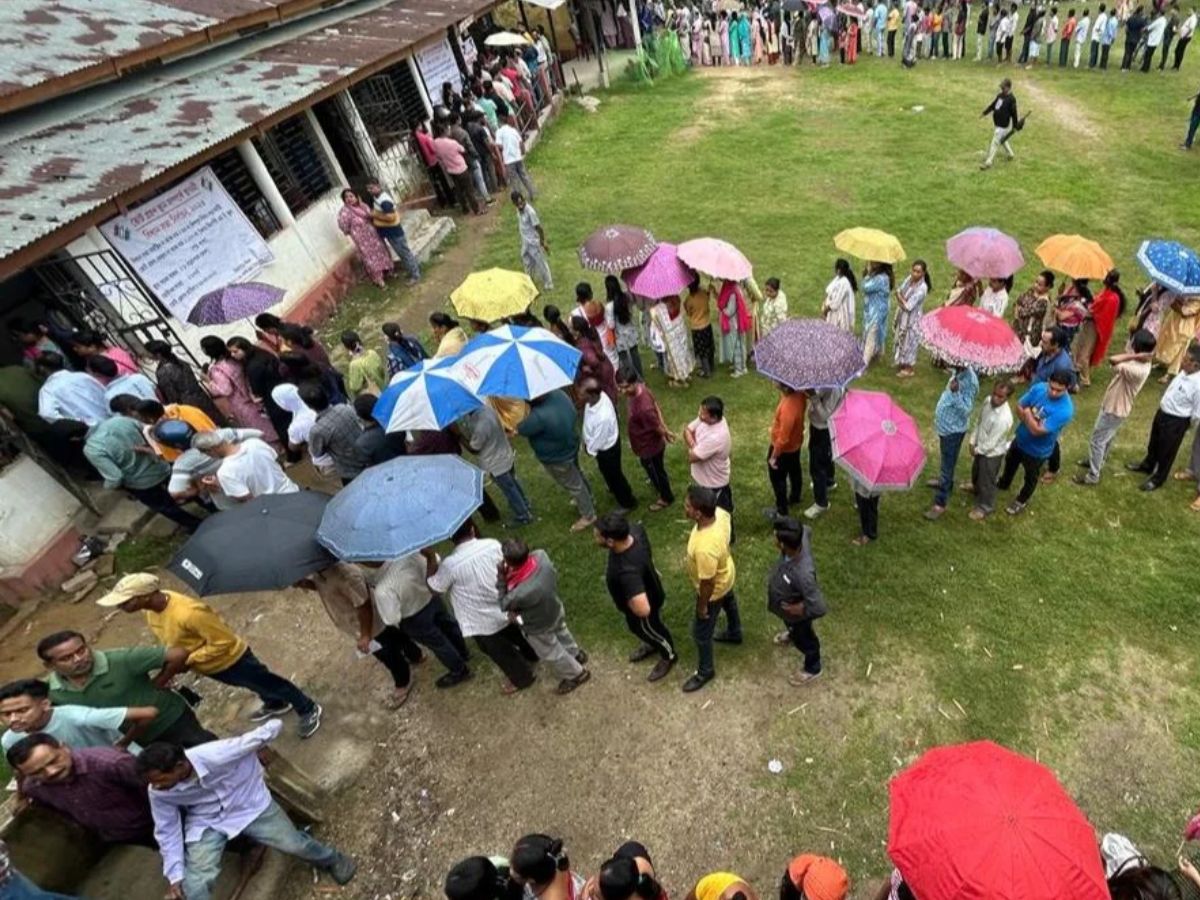
The mandate has hit hard on the Indian community since they make up the overwhelming majority of these visa holders. Overall, Indians account for over 70 percent of all H-1B visa approvals and nearly 90 percent of H-4 EAD holders; many of them have established careers and bought homes, their children enrolled in schools under the premise of sound legal standing in the US.
Visa Appointments Suddenly Cancelled
Adding to the anxiety, visa interview appointments at US consulates across India have abruptly been canceled or postponed.
Reports say that the December interview slots, including those at the consulates in Hyderabad and Chennai, have been moved as far back as March 2026. These sudden cancellations are causing immediate crises:
New employees cannot start working in the US.
Families that were trying to join their sponsors now remain stranded abroad.
Current visa holders who went home for brief weddings or just to drop off parents are now stuck in India and cannot return to their American lives.
Community Pressuring to Reconsider the Policy
The immigrant communities now are pressuring the US government to reconsider the policy and ensure this very essential process of visa renewal and stamping can continue without unnecessary, damaging delays. Professional and personal lives of tens of thousands of highly skilled workers and their families have been put on hold with this move.
What are H-1B Workers and their H-4 Dependents?
The H-1B workers are foreign professionals who go to the United States for specialty occupations, which include, among others, IT, engineering, finance, medicine, and research. They are hired by U.S. companies because they possess special skills and qualifications.
The H-4 dependants are spouses and children under 21 years of age of the H-1B workers. They are entitled to stay in the U.S. along with the H-1B employee. In certain circumstances, H-4 spouses are also eligible to apply for a work permit, known as EAD, and work legally in the U.S.
How Much Does it Cost to Apply for an H-1B Visa?
This is essentially the cost of the H-1B, paid by the employer and not by the worker. It involves a variety of fees:
The cost for an H-1B visa for an Indian national currently involves significant employer-paid fees, with a recent major hike imposing a $100,000 (around ₹90 Lakhs) fee per application, making it extremely expensive, though previous costs varied from $2,000-$5,000, with total costs sometimes reaching ₹1.7 Lakhs to ₹6 Lakhs before the recent spike, including various USCIS & ACWIA fees, legal costs, and fraud prevention fees.
Also Read: Australia’s Under-16 Social Media Ban Starts Dec 10: Full List of Allowed & Banned Platforms
India–US Relations After Tariffs?
The relationship has undergone temporary tensions after the U.S. and India imposed tariffs on each other in recent years, but both nations have now moved swiftly to cooperation in:
- Removing or lowering trade barriers
- Strengthening defence partnerships
- Expanding technology and semiconductor links
- Increasing investment in clean energy and manufacturing
- Improving visa and mobility rules
How Many Percent of Indian Communities Work in the U.S.?
Indians are one of the most significant immigrant professional groups in the United States.
Approximately 2.7 million Indian immigrants reside in America. Among all immigrant groups, it is one of the highest employment rates; almost 75% of adults from India are working.
Citizens of India account for over 70% of all holders of H-1B visas; in other words, they dominate highly qualified professions such as technology, healthcare, engineering, and research.
Also Read: Trump’s Tariff Targets Indian Rice, Accuses India of ‘Dumping’; Kohinoor Stocks Fall Nearly 10%
US Embassy in India Issues Advisory
The US Embassy in India, meanwhile, issued a statement Tuesday telling visa applicants not to arrive on any previously scheduled interview dates if they have been informed of a reschedule. Anyone showing up on a previously scheduled date, officials warned, would be denied access at the gate posted on X.