
Scientists Sound Alarm as Glaciers Recede
The landslide that triggered a huge tsunami in Alaska’s Tracy Arm fjord on August 10 is being hailed as a “close call” by scientists and tour operators, who say climate change may be increasing the risk of such disasters.
The collapse, which occurred near the South Sawyer glacier about 50 miles south of Juneau, sent a towering wave racing down the narrow fjord. Luckily, no ships or visitors were nearby when it struck, sparing the region from what could have been a major catastrophe.
“This was a historic event,” said Dennis Staley, a US Geological Survey expert on landslides. “I feel like we dodged a bullet.”
How the Slide Unfolded
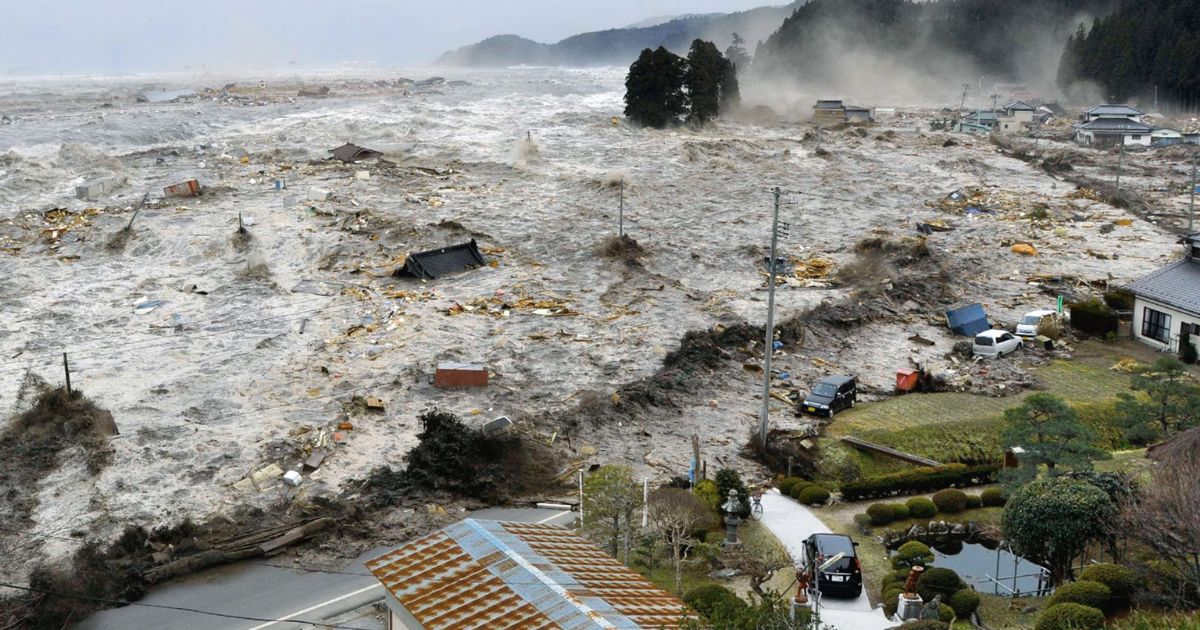
Up to 100 million cubic meters of rock were dislodged from the wall of the fjord by seismic analysis, sending a wave that blasted 1,400 feet up the opposite slope one of the highest ever recorded. A second later, a tsunami reaching as high as 100 feet ripped through Tracy Arm, removing trees and brush from both sides.
Even 30 miles out, the wave was still five meters high when it crashed onto Harbor Island, almost washing three kayakers off the beach where they had camped. They woke to discover their equipment scattered about and their boats flung into trees and across the water.
Tour boats and cruise ships narrowly escaped catastrophe. Two ships with more than 100 passengers aboard each were to call on the fjord later that morning, and two cruise ships with thousands of tourists had already sailed through it the previous day.
“It was pure luck bad weather, early hour, and a low tide probably avoided tragedy,” Staley said.
Climate Change and Glacier Retreat: A Deadly Mix
Though the specific trigger is still unknown, scientists observe a disturbing trend: numerous Alaska’s recent landslides which have produced tsunamis happened adjacent to receding glaciers. Glaciers that used to hold up mountain walls are melting away, possibly destabilizing steep slopes.
Alaska state seismologist Michael West described the Tracy Arm slide as “shockingly huge” and referred to the mounting evidence connecting landslides to glacial retreat and permafrost thawing. Both are accelerated by climate change.
Comparable incidents have happened elsewhere in Alaska in recent history:
In 2015, a Taan Fiord landslide sent water 630 feet flying up a hillside.
In 2024, a Surprise glacier slide created a smaller tsunami.
Last summer, a collapse near Pedersen glacier initiated a wave as high as 180 feet.
Scientists are now tracking unstable slopes close to Portage glacier and Barry Arm inlet, both tourist favorites. If these collapse, they may create waves as powerful or worse than Tracy Arm’s.
ALSO READ: Earthquake of 8.0 magnitude strikes Drake Passage; Tsunami warning issued
The Race to Improve Warnings
New seismic monitoring equipment enabled experts to identify the Tracy Arm slide rapidly, something previously requiring days. Interestingly, sensors did pick up unusual seismic “popping” for almost 24 hours before the collapse, and this may have been an early warning sign.
“Not all landslides do this,” West replied, “but if we can read these signals, it could give us precious seconds to warn people.”
Scientists emphasize for now, though, that the Tracy Arm tsunami is a wake-up call. While glaciers are receding and permafrost is melting, Alaska’s fjords could see more and potentially lethal events in the coming years.
“Luck was on our side this time,” Staley said. “But we can’t rely on luck indefinitely.”