
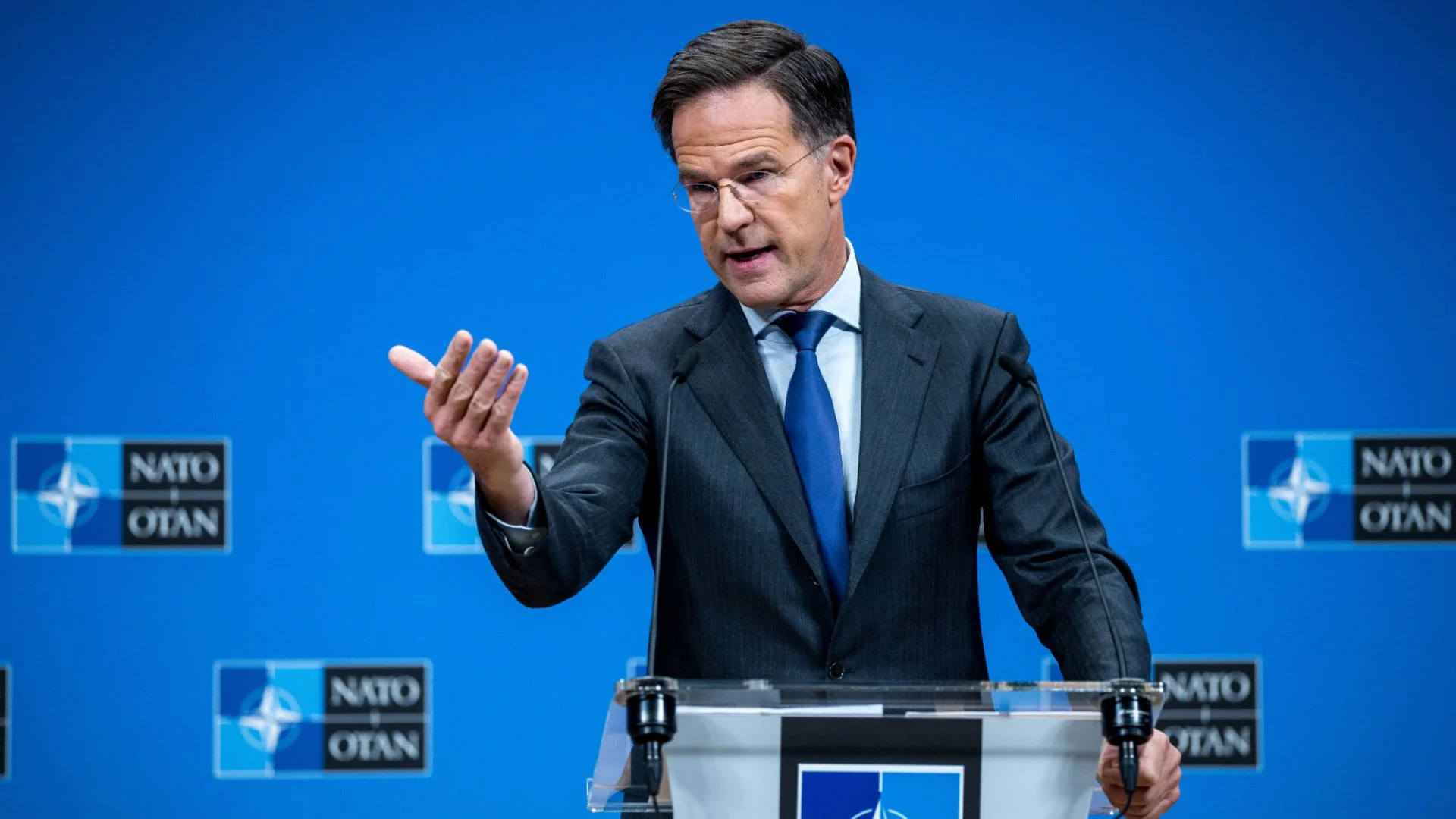
NATO Secretary General Mark Rutte on Wednesday gave a blunt warning to other large world economies such as Brazil, China, and India alerting them of possible secondary sanctions if they continue their economic relations with Russia during the current war in Ukraine.
Rutte’s comments were made after a meeting with US senators, one day after President Donald Trump announced an impressive arms package for Ukraine and threatened to level 100% secondary tariffs on any country still purchasing Russian exports, unless a peace deal is signed within 50 days.
My advice to these three countries, especially is, if you reside now in Beijing, or in Delhi, or if you are the president of Brazil, you may want to consider this, because this could strike you very forcefully,” Rutte said to press, quoted by Reuters.
Rutte appealed to them to put pressure on Russian President Vladimir Putin to get serious about serious peace talks. “So please phone up Vladimir Putin and say to him that he must get serious with peace talks, because otherwise this will come back with a vengeance upon Brazil, upon India and upon China in an enormous way,” he warned.
Republican Sen. Thom Tillis was in favor of the general approach but was wary of the 50-day timeline. He feared that providing such a window could give Putin an opportunity to intensify the war, take more territory, or carry out additional atrocities to negotiate leverage before any possible talks. “So we ought to consider the present condition of Ukraine right now and say, regardless of what you do within the next 50 days, any of your accomplishments are off the table,” Tillis emphasized.
Rutte, who met with Trump on Monday, certified that Europe is willing to pay for Ukraine’s defense to be able to negotiate from strength. According to him, under the new deal with the US, enormous weapons supplies such as air defenses, missiles, and ammunition are about to start with Europe footing the bill.
When questioned if the package contained long-range missiles, Rutte indicated that the arms would consist of both defense and offensive capabilities, though further details were still being hashed out by the Pentagon, NATO leaders, and Ukrainian authorities.
Rutte finished by adding that the military aid would be coordinated to best utilize Ukraine’s bargaining power at the negotiating table.