418
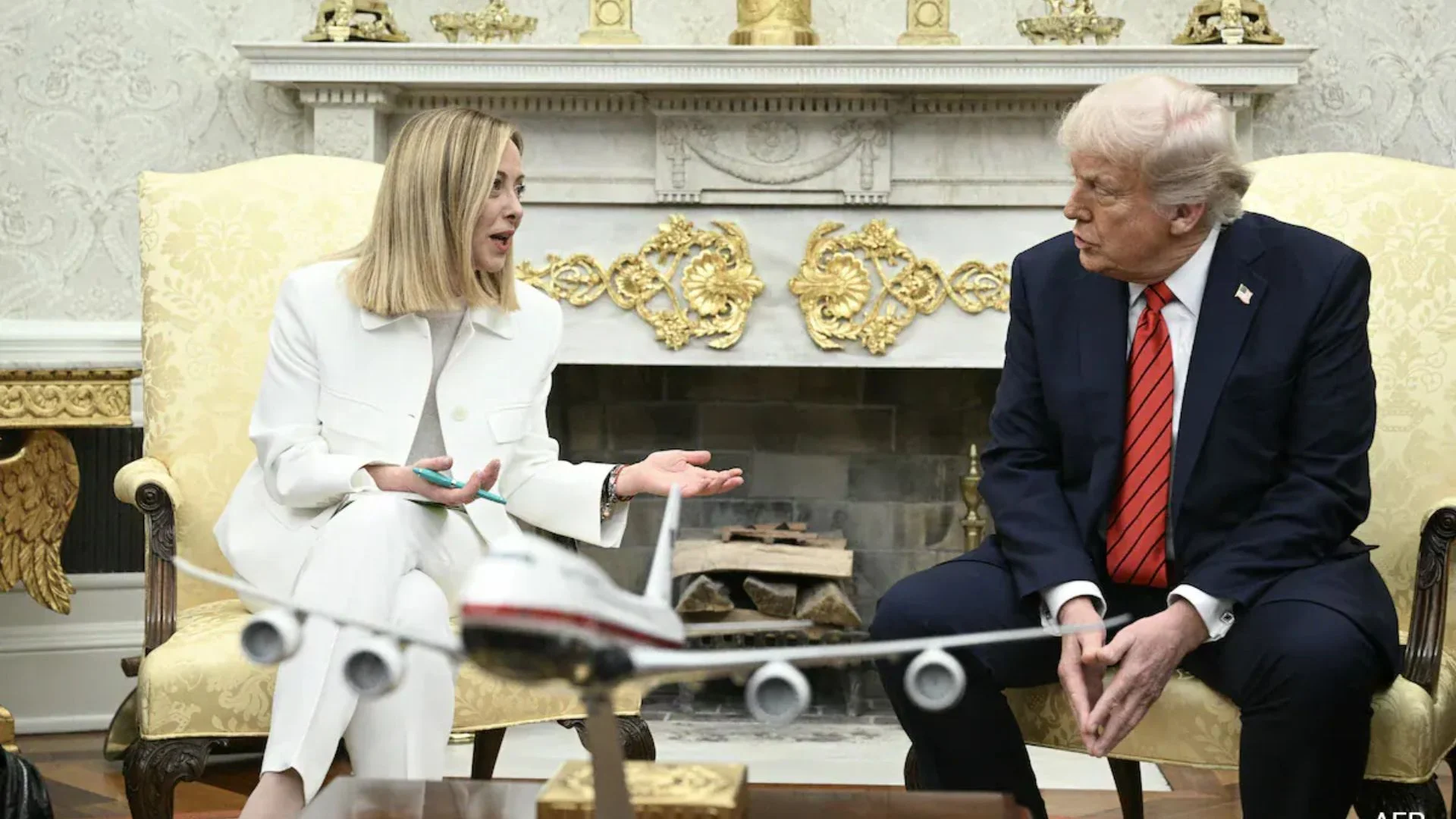
Italian Prime Minister Giorgia Meloni has expressed sharp warnings about rising trade tensions between the United States and the European Union, warning that a trade war among Western allies could take away collective power in facing global challenges.
Her threat follows former US President Donald Trump’s recent declaration of comprehensive 30 percent tariffs on goods arriving from the EU and Mexico starting from August 1. This has set alarm ringing in European capitals and encouraged a call for a proportionate response.
A West vs. West trade war would make us all weaker in the face of challenges that we are meeting together as a world,” Meloni stated in a release from her office Sunday. She highlighted the imperative for unity among Western allies, especially at a time of increasing geopolitical and economic uncertainties.”.
Meloni further stated that the European Union possesses the “economic and financial strength” to be able to pursue its interests while seeking a “fair and sensible agreement.” She reiterated Italy’s determination to contribute positively to the EU’s reaction, declaring, “Italy will do its part. As always.”
Though with growing pressure, the EU has yet to make a retaliatory move, hoping for talks that could keep full-scale trade war at bay. European Commission President Ursula von der Leyen reaffirmed Brussels’ pledge to forgo quick retaliation, especially on US steel and aluminum tariffs, as the bloc continues negotiations for preventing the wider tariff increase.
Back in Italy, Meloni’s stance has drawn criticism from opposition parties. The Five Star Movement’s leader and former Prime Minister Giuseppe Conte accused her of yielding to US pressure. “Meloni is bowing her head to Washington’s threats,” Conte remarked, warning that Italian industries could suffer if the EU fails to act decisively.
The tension has also provided ammunition to other critics of Meloni’s far-right party, Brothers of Italy, who argue that the government is not doing enough to protect national economic interests.
As the EU’s August 1 deadline draws near, the next few weeks will be pivotal as both parties try to hammer out agreements that can defuse tensions. It is uncertain if Brussels can reach an accord that saves transatlantic relations while safeguarding European industries.