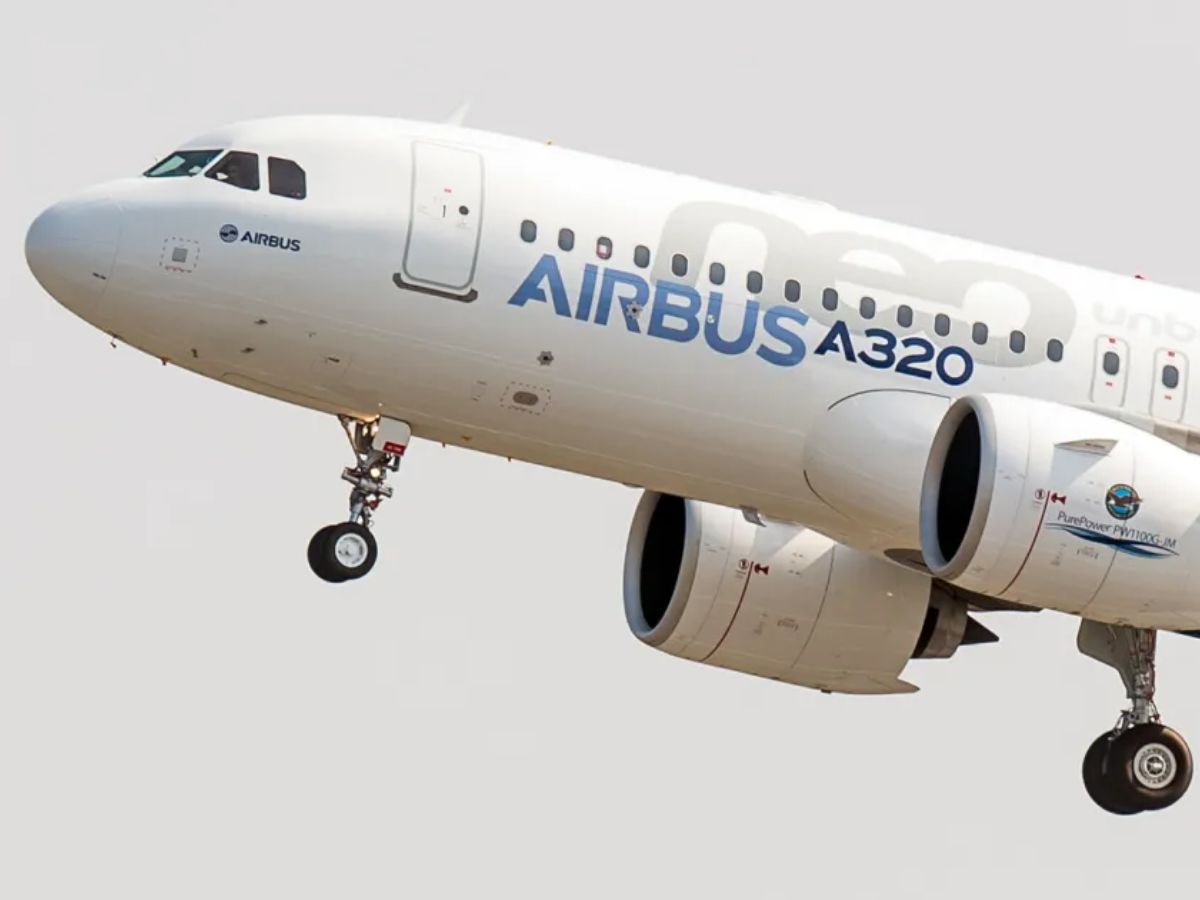
Airlines around the world have grounded dozens of Airbus A320 family jets after a software issue threatened flight safety. Aircraft cannot return to service until engineers revert the systems to a previous, stable version. This widespread grounding has disrupted travel for thousands of passengers and forced airlines to cancel flights or reshuffle schedules.
In a rare move, leading carriers such as Jetstar Airways, Delta Air Lines, Korean Air, American Airlines and major Asian airlines announced partial fleet groundings. The ripple effect has reached India too, with airlines like Air India and IndiGo warning passengers of possible delays and cancellations on flights using A320-family planes.
A320 Glitch: Which Airlines Are Impacted?
- Jetstar has grounded a portion of its A320 fleet.
- Delta says fewer than 50 of its A321neo aircraft need the update.
- Korean Air is updating software on 10 Airbus aircraft, expecting work to finish soon.
- American Airlines must fix over 200 A320-family jets overnight.
- Carriers like Avianca and All Nippon Airways (ANA) also reported major disruptions, with Avianca temporarily halting ticket sales for affected planes and ANA cancelling numerous flights.
- In New Zealand, Air New Zealand grounded some of its A320-series jets and warned of probable cancellations.
- In India, both Air India and IndiGo said they are “proactively completing” the mandated software updates and warned of schedule changes for flights using A320 or A321 aircraft.
A320 Glitch: Why the Grounding Is Happening?
The problem stems from a recent update to the flight-control software used in Airbus A320-family jets. Following an incident involving an A320 operated by one airline, the manufacturer ordered a global rollback to the previous software version. Until the fix is applied, affected aircraft cannot take off. Given that over 6,500 A320 jets fly worldwide, the impact has spread across continents.
Though the software fix itself is straightforward, safety protocols prevent any plane from flying before the rollback is complete. Airlines therefore grounded large portions of their fleet, leading to cancellations, delays, and major schedule changes.
A320 Glitch: What Passengers Should Know?
Travellers booked on A320 or A321-operated flights should expect possible delays or cancellations. Airlines advise passengers to:
- Check their flight status before leaving for the airport
- Allow extra connection time or consider alternate flights
- Stay alert for communications via email or SMS from their airline
- In India, both Air India and IndiGo have notified customers of the issue and urged passengers to confirm updated schedules or alternate travel options if their flight uses an A320-series aircraft.
Aviation at a Crossroads: Safety vs. Convenience
This global grounding highlights how quickly air travel can be disrupted by technical issues. On one hand, the swift action to ground potentially risky aircraft underlines the priority given to safety. On the other hand, the cascading disruption for airlines and passengers underlines the fragility of modern global aviation networks.
As Airbus and airlines rush to implement the fix, this incident may prompt deeper questions: Should carriers maintain larger spare fleets or alternate aircraft? Will this lead to stricter checks for software updates in the future? For now, air travellers worldwide may have to brace for delays — but they can also take comfort that safety came first.