
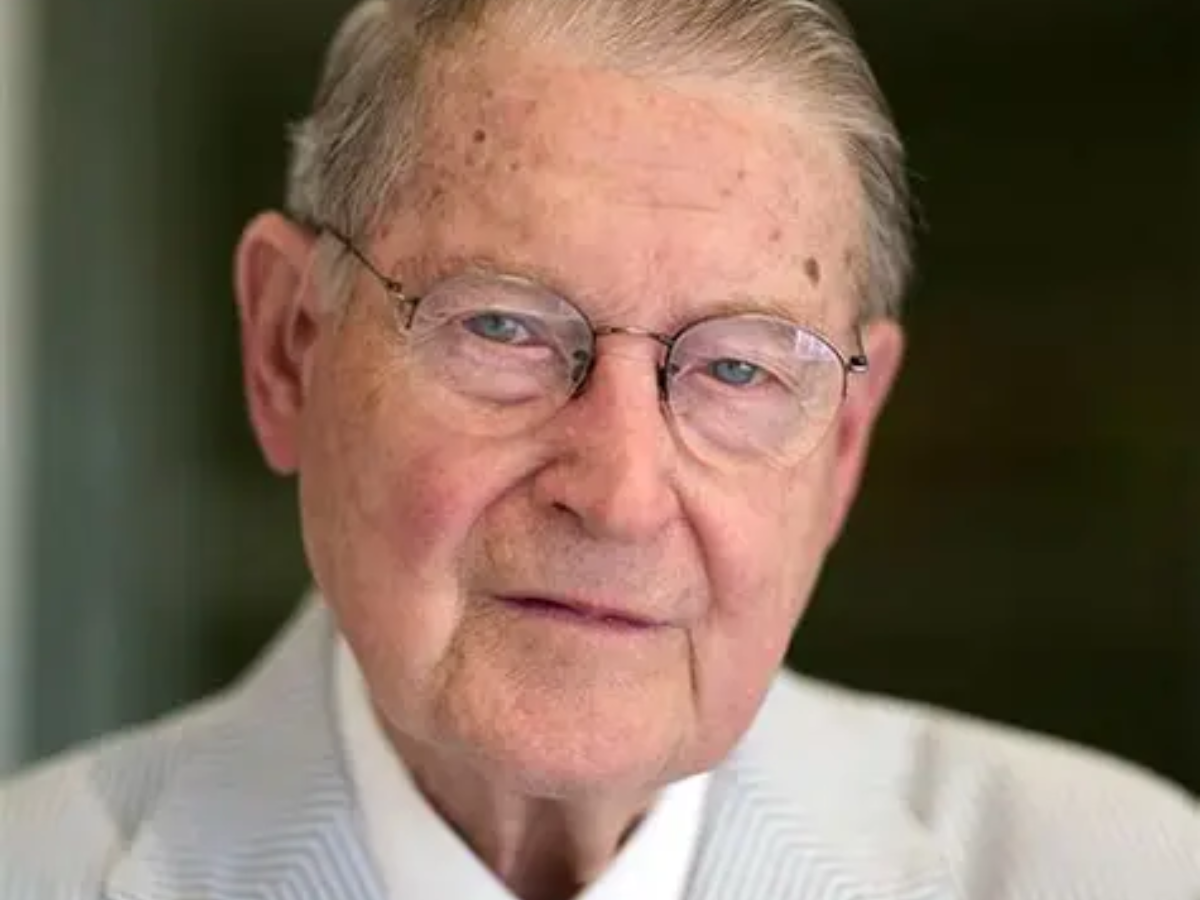
William H. Webster, an eminent person in American intelligence and law enforcement histories, passed away at the age of 101. His name became synonymous with integrity and steady leadership as Webster uniquely served as the director of both the FBI and CIA and earned esteem for restoring faith in these federal agencies during some trying times.
Courtroom to the Nation’s Top Agencies
Prior to ascending to federal office, Webster had enjoyed a formidable legal career. Born in St. Louis in 1924, he served in both the Navy honorably during World War II and the Korean War. After completing his studies at Amherst College and Washington University Law School, he engaged in the practice of law and served as a federal judge.
Commended for his fairness and judicial restraint, he drew even his foes’ respect for his honest approach to the law. His past as a federal judge would lay the foundation for his future with even greater impact as a leader.
Reforming the FBI and CIA
In 1978, President Jimmy Carter appointed Webster to an FBI devastated by scandals and internal affairs to put the public’s confidence back. He had to clean up the bureau, professionalize it, and broaden its focus to organized crime, drug enforcement, and terrorism. There was also a greater focus on the diversification of the FBI personnel, including more women and minorities.
In 1987, Webster was named CIA director by President Ronald Reagan, who had put him in charge of rebuilding the agency under fire for its secrecy and its failures. Webster sought transparency with Congress, regular updates, and de-politicization of the intelligence community. Under his direction, the CIA found its footing amidst a rapidly changing environment once the Cold War began to close. With charges of failing to detect Soviet espionage and not being able to read world events, the agency even under Webster’s slow hand was being reinvigorated and refocused.
ALSO READ: Is the Alaska Summit a Turning Point for the Russia-Ukraine Conflict?
Lasting Influence and Personal Life
Webster worked in many commissions for public service until his retirement in 1991, including homeland security efforts that emerged after 9/11. Honesty and dedication were two of Webster’s reputations, shining through when President George W. Bush held him out as the prototype of a public servant.
His personal life stood as an example of similar discipline and values. He was married twice, raised three children, lived simply, played tennis, had a passion for history and for honorable life. Westminster’s principles, leadership affects, are chronicles that march from law into intelligence, with exceptional fidelity to justice and national security.
His death might be branded “an end of an epoch” for American public service, but the fruits of his labor will surely light the paths of generations to come. A memorial in Washington will honor this great life and career.
ALSO READ: What Led to the Fatal Confrontation Outside CDC and Emory University?