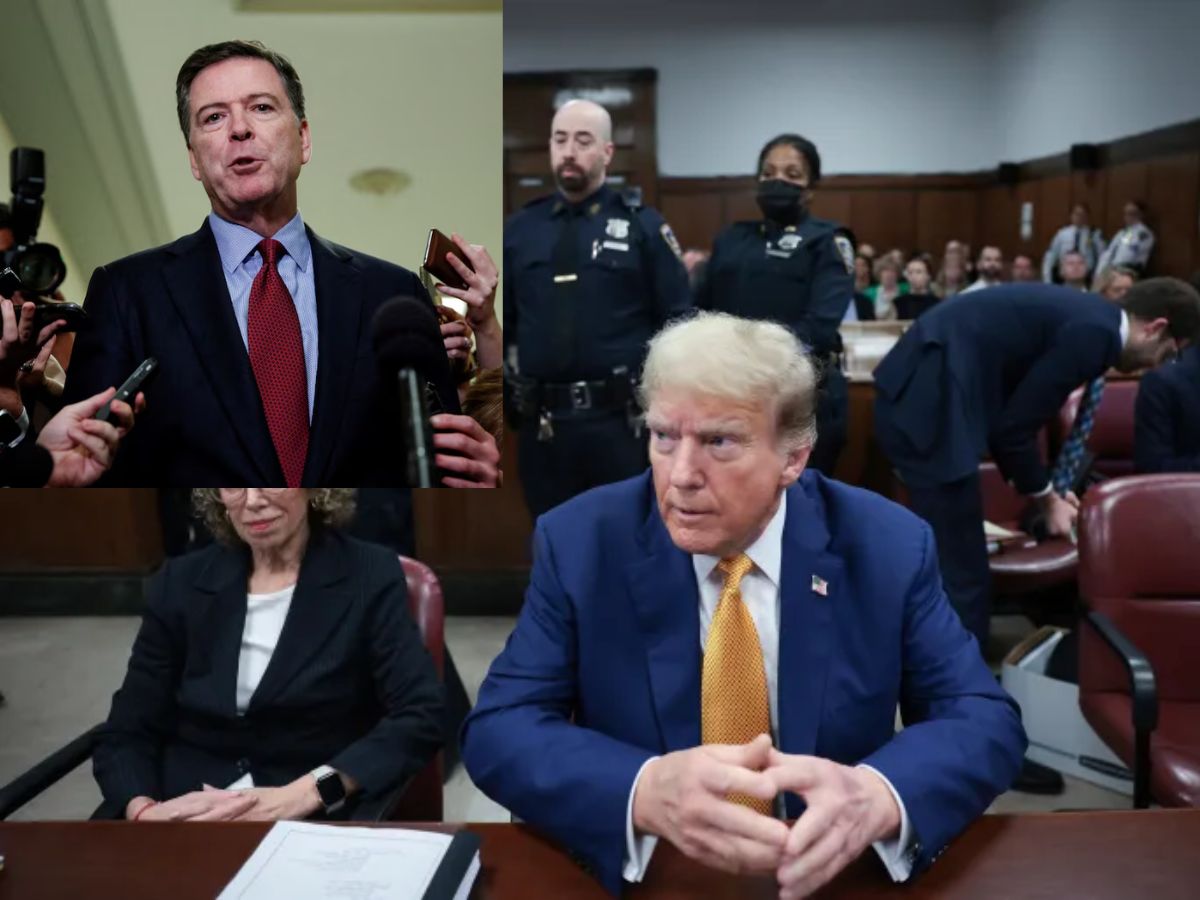
A federal judge has cast significant doubt on the legal case against former FBI Director James Comey, repeatedly questioning the validity of the indictment brought by a prosecutor closely aligned with former President Donald Trump. The hearing signals a potential major dismissal of charges that critics label a politically motivated attack on a prominent Trump critic.
What Happened in the Courtroom?
During a 90-minute hearing, U.S. District Judge Michael Nachmanoff intensely scrutinized the prosecution’s methods. He focused on a key procedural error acknowledged by the government: the final two-count indictment against Comey was never presented to the full grand jury for a vote. The judge posed direct questions to U.S. Attorney Lindsey Halligan, a Trump ally appointed to handle the case, asking her to explain exactly which version of the charges the grand jurors saw and who was present. This line of questioning highlighted potential fatal flaws in the indictment process itself.
Also Read: Singer D4vd Named Suspect in Teen’s Death as LAPD Probe Takes a New Turn
What is the Core of Comey’s Defense?
Comey’s legal team argued that he is the clear target of a “vindictive prosecution.” They stated the case is “a blatant use of criminal justice to achieve political ends,” designed solely to punish him for his public criticism of Trump, who fired him in 2017. Defense lawyer Michael Dreeben pointed to Trump’s years of social media attacks and a specific post from September 20 as evidence. In that post, Trump expressed frustration that “nothing is being done” to prosecute Comey, which the defense called an admission of a political motive.
How Did the Prosecution Respond?
Justice Department lawyer Tyler Lemons denied that the case was brought at the direction of the president or any other official. He argued that Comey had not met the high legal standard required for a court to second-guess a prosecutor’s charging decision. However, when pressed by Judge Nachmanoff on whether career prosecutors had written a memo advising against charging Comey, Lemons declined to answer, citing privilege. This refusal to provide transparency appeared to weaken the prosecution’s position.
What is the Broader Context of This Case?
The case against Comey is part of a wider pattern. In recent months, Trump’s Justice Department has filed charges against other prominent detractors, among them New York Attorney General Letitia James and former National Security Advisor John Bolton. The moves have intensified claims that the administration is using prosecutions to intimidate opponents. The Comey trial has emerged as a critical measure of whether the courts will push back against what critics describe as politicized law enforcement.
Also Read: Nvidia’s $65 Billion Forecast Calms Nerves, But AI Bubble Questions Linger
What Other Legal Challenges Does the Case Face?
The problems for the prosecution extend beyond this single hearing. A U.S. Magistrate Judge has already indicated that prosecutor Lindsey Halligan may have made significant legal errors before the grand jury. Separately, a different district judge is examining whether Halligan was even lawfully appointed as the interim U.S. attorney, with a ruling on that matter expected soon. These multiple judicial challenges suggest the case is on shaky ground before it even reaches a trial.