
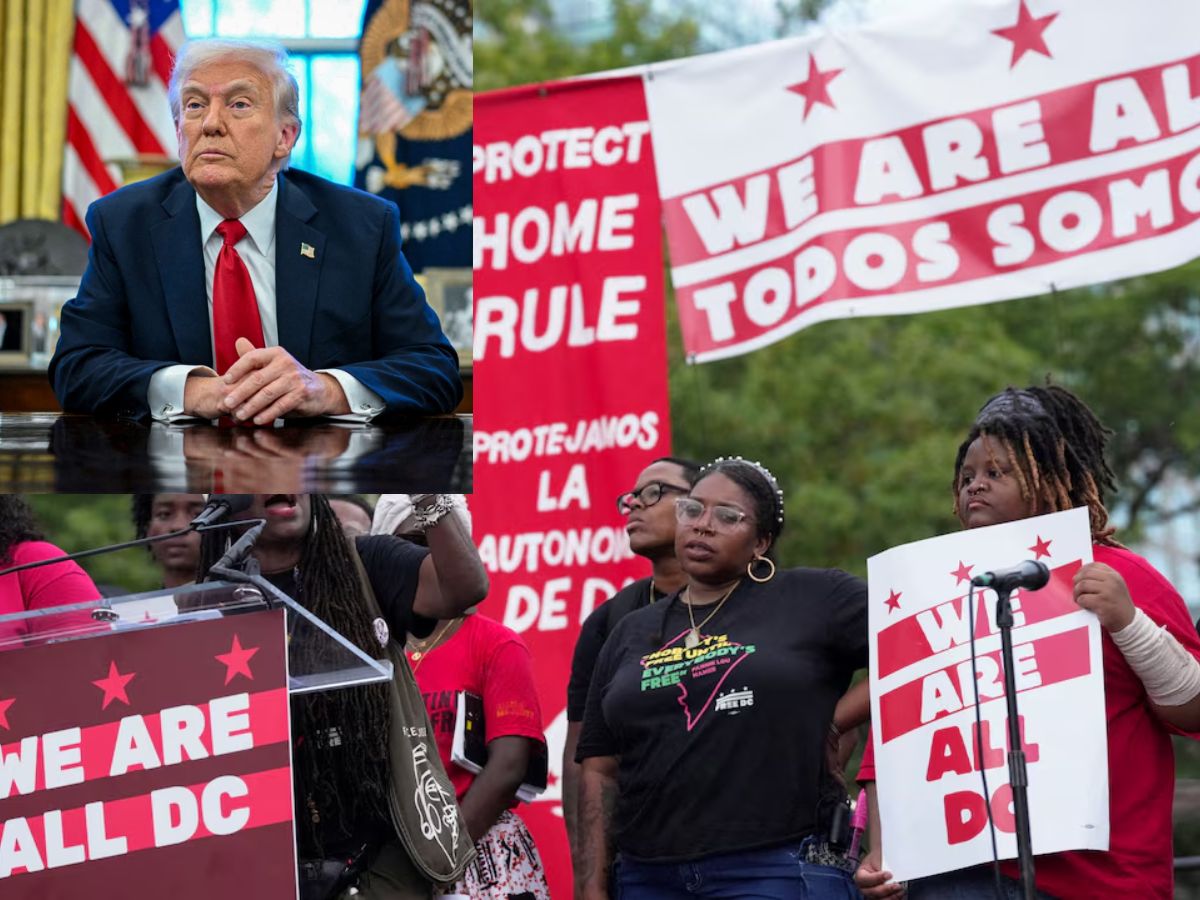
In a notable legal challenge to presidential authority, a federal judge has moved to block President Donald Trump from sending National Guard troops to Washington, D.C. The decision marks a temporary setback for Trump’s attempt to deploy military forces in American cities without local approval. It highlights a widening national debate over how far federal power can reach in matters of domestic policing across the country.
What Did the Judge Rule?
What was the court’s actual decision? U.S. District Judge Jia Cobb issued a ruling that temporarily blocks the Trump administration from sending National Guard troops to enforce laws in the nation’s capital without first obtaining approval from the city’s mayor. However, recognizing the potential for a higher court review, Judge Cobb paused her own ruling until December 11. This stay gives the Trump administration time to file an appeal with a higher court. The judge’s action sets the stage for a continued legal battle over a president’s authority to use troops within the United States.
Also Read: Who is Philip Perry? The Lawyer Husband Beside Liz Cheney at Her Father’s Funeral
Why Did Washington D.C. Sue the Administration?
What were the core arguments against the troop deployment? District of Columbia Attorney General Brian Schwalb, an elected Democrat, filed a lawsuit in early September challenging the deployment announced by Trump in August. The lawsuit claimed the President illegally took control of the city’s law enforcement. It said this move broke a long-standing federal law, the Posse Comitatus Act, which generally bans the use of U.S. military forces to carry out regular civilian policing duties. Local officials contended that while the President has unique powers in Washington D.C., he overstepped by ignoring the mayor’s authority.
How Did the Trump Administration Respond?
What was the defense for deploying the National Guard? The Trump administration firmly defended its actions as both lawful and necessary. White House spokeswoman Abigail Jackson stated that the President acted within his rights and called the lawsuit a political stunt designed to undermine successful crime reduction efforts. In formal court filings, administration lawyers argued that the President has the clear authority to deploy troops to Washington D.C. without needing permission from local leaders. They maintained that the presence of the National Guard was operating legally and was effectively helping to reduce violent crime in the city.
Also Read: Why Walmart is Bullish Heading into the Holidays; : Retail Giant Raises Outlook, Switches to Nasdaq
What is the Bigger National Picture?
Is this legal fight happening elsewhere? Yes, the conflict in Washington D.C. is part of a broader national struggle. President Trump moved to deploy troops in several other cities led by Democratic officials, including Los Angeles, Chicago, and Portland, Oregon. He stated this was to combat lawlessness linked to his immigration policies. In response, the leaders of those cities and states have also filed lawsuits to block the deployments. They argue that the moves are a political tactic to punish opponents with intimidating shows of military force. So far, trial courts have ruled against the troop deployments in every city where local leaders protested.