
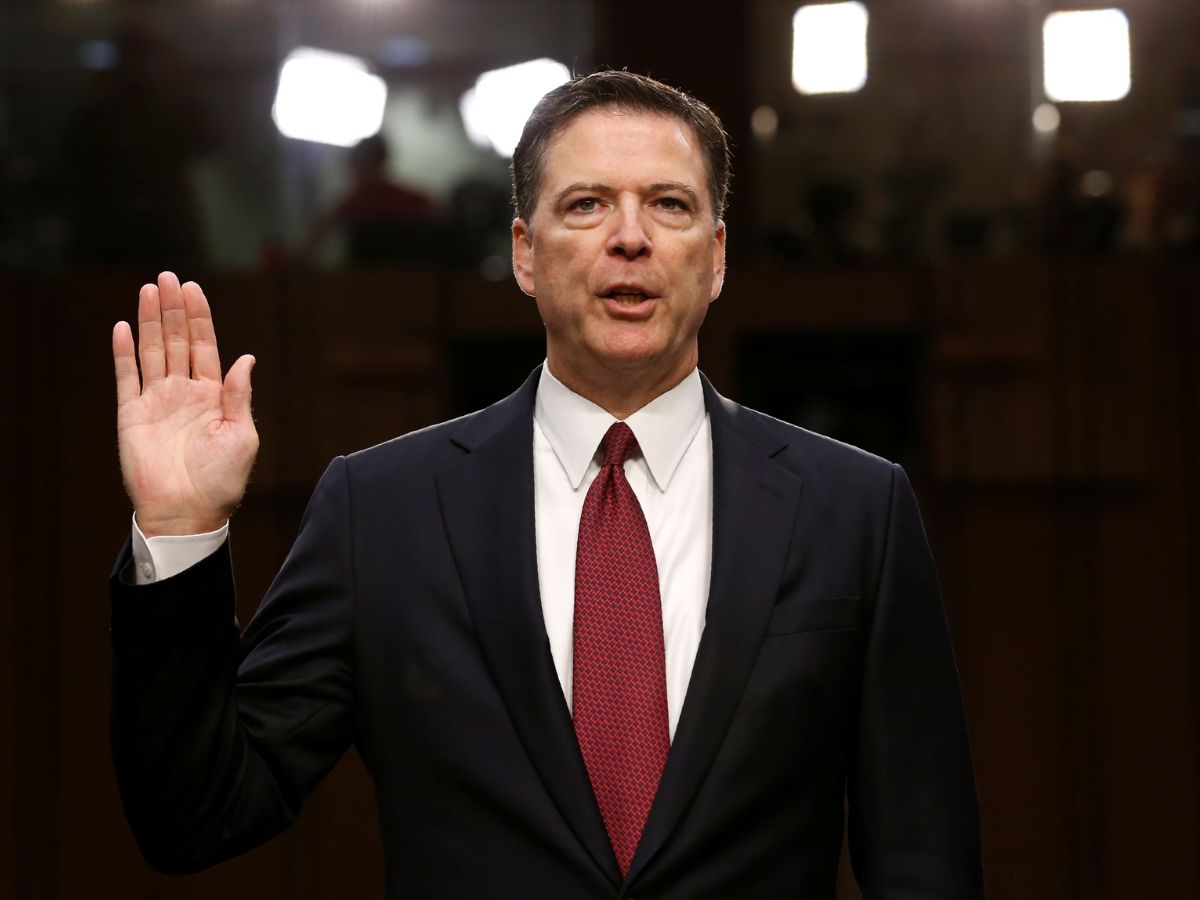
In a significant legal setback for the prosecution, a U.S. judge has found evidence of serious misconduct in the criminal case against former FBI Director James Comey. The ruling orders prosecutors to turn over secret grand jury materials to Comey’s defense team, suggesting the investigation led by a Trump-appointed prosecutor was deeply flawed.
What Did the Judge Specifically Find?
U.S. Magistrate Judge William Fitzgerald identified multiple “profound investigative missteps” that potentially tainted the grand jury proceeding. His ruling cataloged a series of blunders by prosecutor Lindsey Halligan and the FBI. These mistakes included re-examining old evidence the FBI had seized without getting a new warrant. Another error was letting an FBI agent, who may have seen information protected by attorney-client privilege—testify before the grand jury. Judge Fitzgerald said this pattern of missteps could have “undermined the integrity” of the whole process.
Also Read: Death Penalty for ‘Crimes Against Humanity’: Can Sheikh Hasina Appeal Against Her Conviction?
Who is the Prosecutor Leading the Case?
The judge’s criticism focused on Lindsey Halligan, appointed by former President Donald Trump. The ruling points out she had never served as a prosecutor before. Her experience was mainly in real estate law, and she had previously handled civil cases for Trump. A different judge had already raised doubts about the legality of her appointment, deepening the controversy.
Why is This Case Seen as Politically Charged?
James Comey is among several well-known Trump critics who have been charged with crimes in recent months. He says the case is driven by Trump’s “personal spite” against him. Many of Trump’s critics see this as part of a larger pattern of using the Justice Department to go after political rivals. This breaks the department’s long tradition of staying politically neutral, raising fears about legal power being misused.
Also Read: US Pushes for International Force in Gaza as UN Security Council Readies Landmark Vote
What Happens Next with the Case?
The judge’s decision to release grand jury materials is unusual and considered an “extraordinary remedy.” Such records are normally kept confidential under strict secrecy rules. The decision grants Comey’s defense team powerful evidence to file a motion to have the charges against him dismissed. The ruling does not end the case, but it severely weakens the prosecution’s position. It introduces the possibility that the entire indictment could be thrown out due to the procedural misconduct that has been alleged and supported by the court’s findings.