
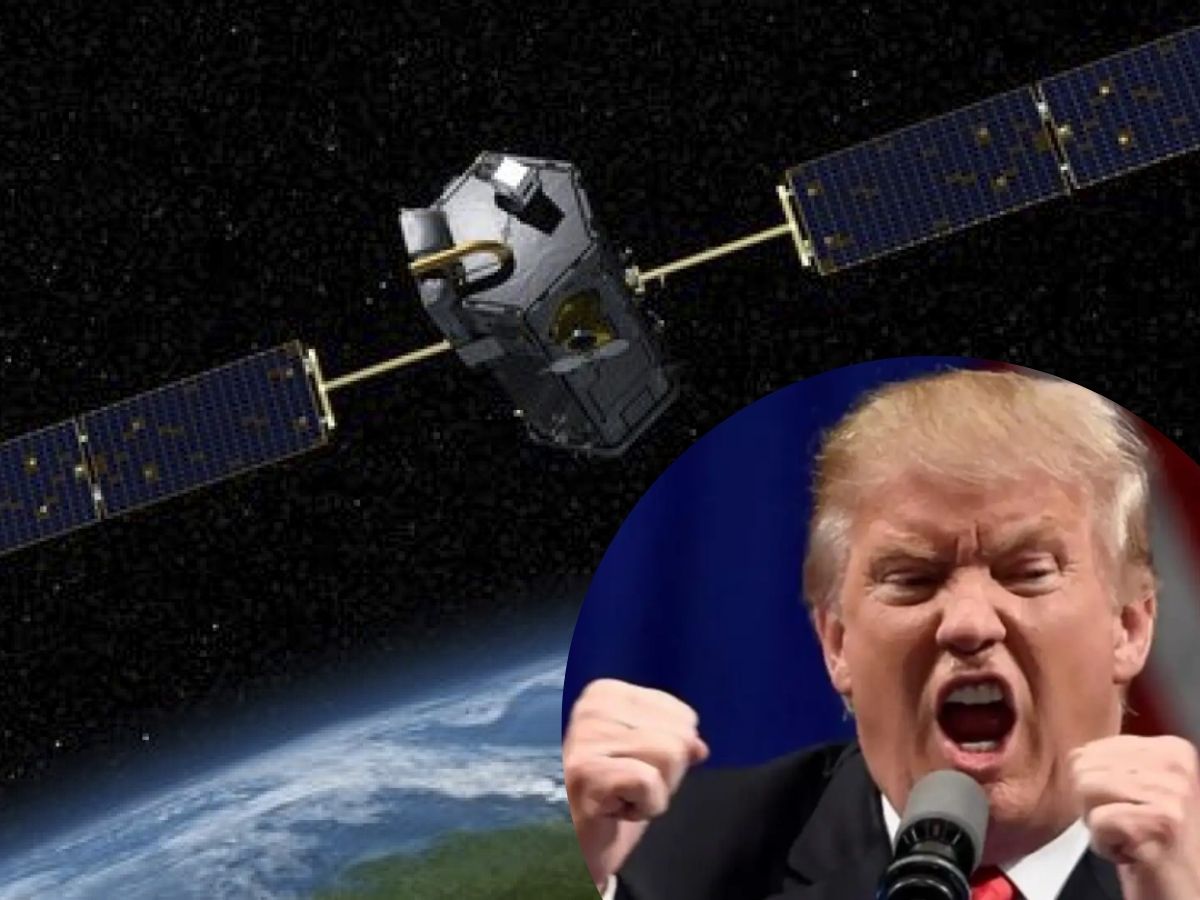
The Trump administration is in talks to halt two NASA missions that track carbon dioxide emissions and monitor plant health. These crucial projects offer climatic and agricultural data used by scientists, farmers and policymakers.
US President Donald Trump proposed that the funding for the Orbiting Carbon Observatories will be stopped in 2026 budget. This will include a free-flying satellite launched in 2014 and an instrument aboard the International Space Station since 2019. These tools precisely detect the carbon dioxide sources and measure photosynthesis in plants.
On Wednesday, NASA stated that these missions were beyond their prime vision and are being terminated to align with the President’s agenda and budget priorities.
ALSO READ: Trump Admin to Terminate Flu, Virus Vaccine Projects Worth $500M
Why are These Missions Important?
Retired NASA scientist David Crisp, who led the development of the missions, asserted that they were very accurate and are ‘national assets.’ He emphasized that they helped in discovering key findings such as the fact that ‘Amazon rainforest emits more CO₂ than it absorbs, while boreal forests in the north act as carbon sinks’.
“These instruments also detect the ‘glow’ of photosynthesis, helping monitor drought and predict food shortages,” said Crisp. “This is really critical. We are learning so much about this rapidly changing planet.”
Scientists, Lawmakers Push Back
Scientists and policymakers are not happy with the decision and slammed back, calling it ‘extremely shortsighted’. They said that the data was critical for understanding and managing climate change across the planet, including the United STATES.
Michael Mann from the University of Pennsylvania said, “The principle seems to be that if we stop measuring climate change, it will just disappear from the American consciousness.”
Congressional Democrats also warned NASA’s acting administrator that terminating the missions funded by Congress would be illegal. However, the White House supports the decision, but the Senate version retains them. With Congress in recess, it is not confirmed if the final budget will be released before the fiscal year begins on October 1.
External Support Needed
Crisp and others are looking for collaborations with international agencies in Japan and Europe in order to keep the missions operational. NASA is accepting outside proposals until August 29.
In case no help is found, the satellites could be deorbited and destroyed. Crisp hopes that NASA will consider transferring the control to outside partners. Although there were be a ton of legalities with the foreign involvement.
We are going out to the billionaires. We are going out to foundations,” said Crisp. “But…it is a really, really bad idea to try and push it off onto private industry or private individuals or private donors. It just does not make sense.”