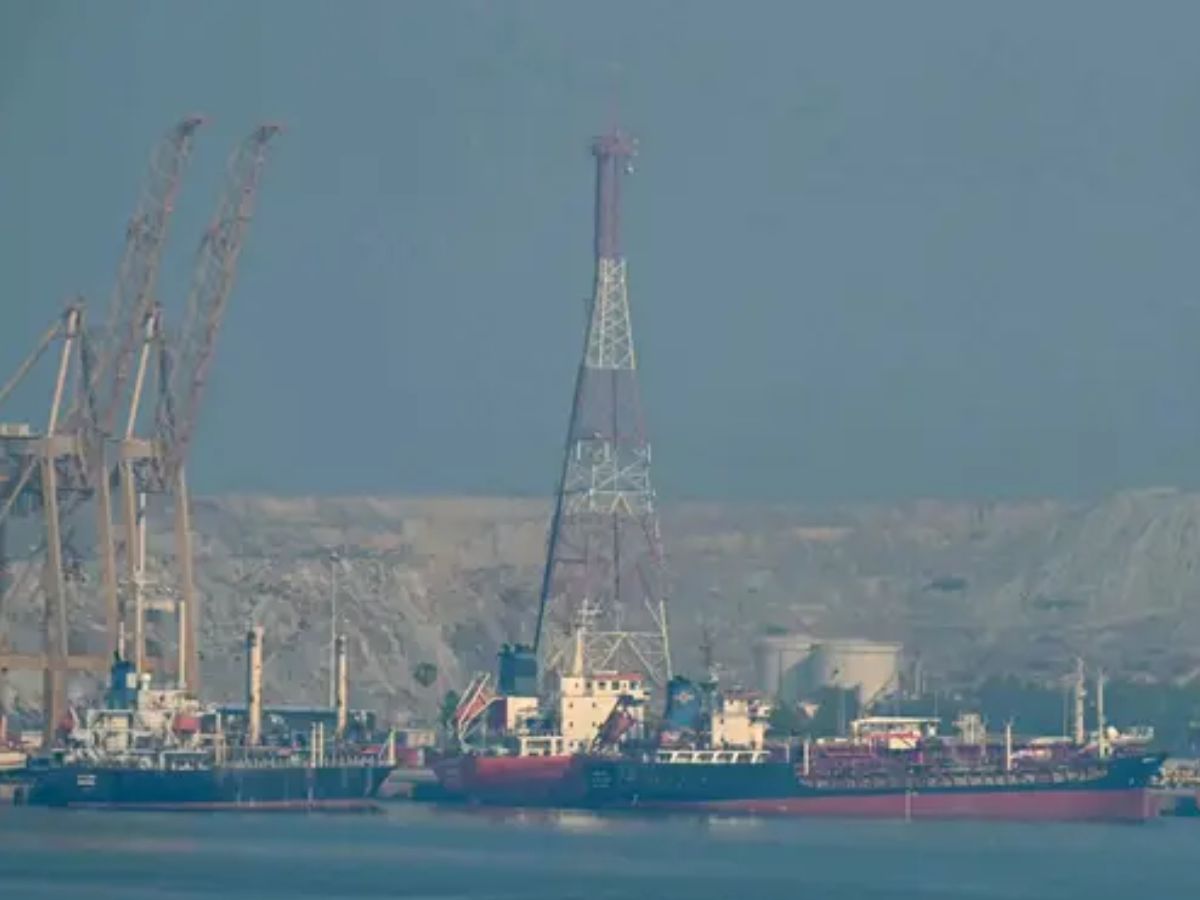
Iran has confirmed that its Islamic Revolutionary Guard Corps (IRGC) seized an oil tanker in the Gulf on Saturday (Nov 15). The vessel, named Talara and flying the Marshall Islands flag, was carrying 30,000 tonnes of petrochemical products. Maritime security companies had earlier said Iran was likely behind the incident.
IRGC Says Tanker Violated Maritime Laws
The IRGC issued a statement saying its naval rapid reaction units acted after receiving a judicial order. “Yesterday morning at 7:30, after a judicial authority ordered the seizure of the cargo of an oil tanker with the trade name Talara and the flag of the Marshall Islands, the Islamic Revolutionary Guard Corps (IRGC) rapid reaction units of the naval forces monitored its movements and intercepted and seized it,” the statement said.
The IRGC added that the tanker carried “unauthorised cargo” and was sailing toward Singapore. “The tanker was found to violate the law by carrying unauthorised cargo. The cargo was carrying 30,000 tonnes of petrochemical cargo and was heading to Singapore,” the statement added.
Tanker Made Sudden Turn Before Seizure
According to private maritime security firm Ambrey, the tanker departed from Ajman in the UAE. It was sailing south through the Strait of Hormuz when three small boats approached it. Soon after, the ship made a “sudden course deviation,” which raised red flags for monitoring agencies.
The Strait of Hormuz is one of the world’s most sensitive and heavily monitored waterways. A fifth of the global oil supply passes through this route daily, making any incident there a major international concern.
US Navy Responds: ‘Actively Monitoring’
The US Navy’s 5th Fleet confirmed it was tracking the situation closely.”Commercial vessels are entitled to largely unimpeded rights of navigation and commerce on the high seas,” the US 5th Fleet said. The US Navy patrols the region regularly, especially during periods of heightened tension between Iran and Western nations.
Fresh Concerns Over Maritime Stability
The seizure comes at a time of rising maritime insecurity in the Gulf. Iran has seized or harassed several commercial vessels in recent years, often linking such actions to disputes over sanctions, regional conflicts, or legal orders issued by Iranian courts.
Analysts say this incident could escalate friction between Iran and Western allies, especially with ongoing tensions over sanctions and stalled nuclear talks. Insurance premiums for ships passing through the Strait of Hormuz may also rise sharply, adding pressure on global supply chains.
Impact on Petrochemical Supply to Asia
The detained vessel was reportedly bound for Singapore, a major petrochemical hub in Asia. The seizure may disrupt short-term supply for some downstream industries, especially as year-end demand typically increases. Traders in the region expect temporary price volatility in select petrochemical products until the situation stabilises.