
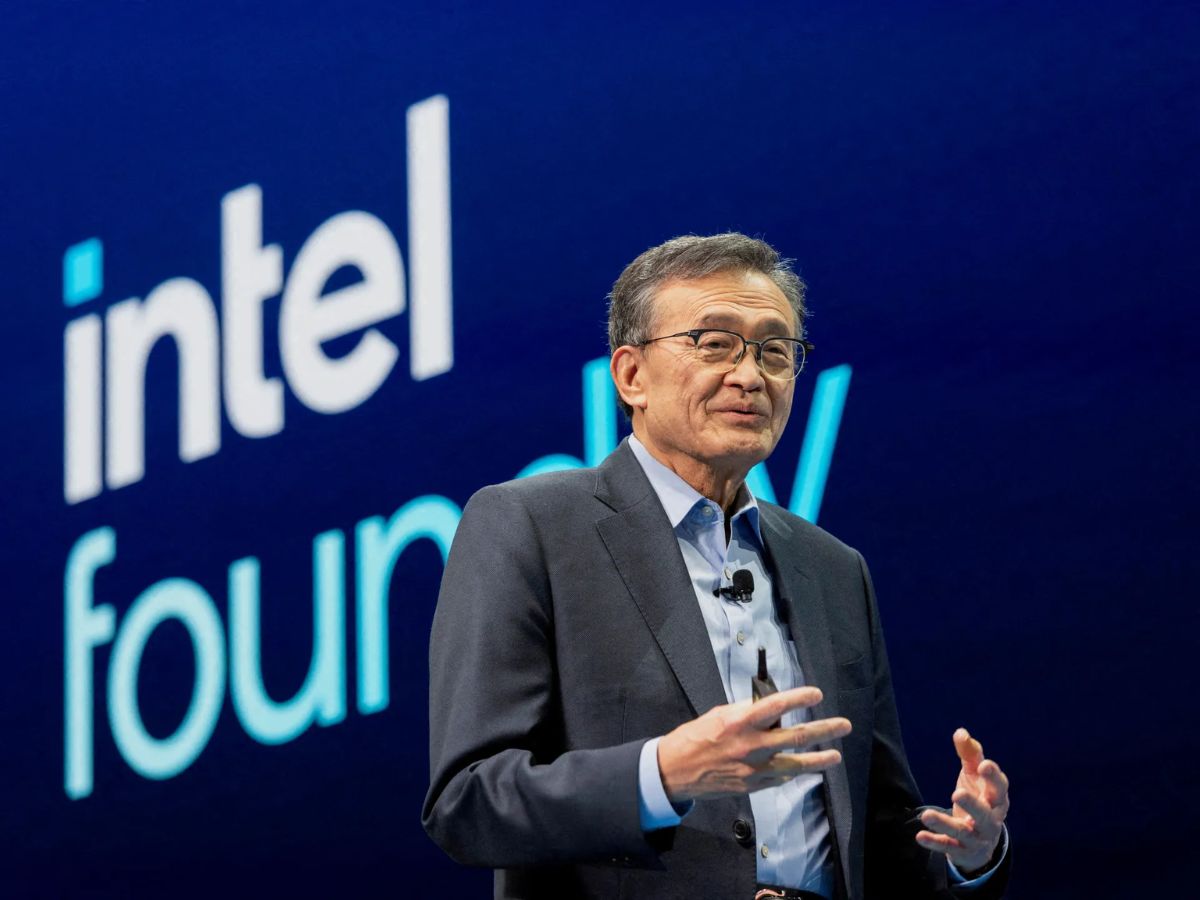
Intel CEO Lip-Bu Tan has forcefully defended his leadership after US President Donald Trump demanded his ‘immediate resignation’ and labelled him ‘highly conflicted’.
After a few hours of Trump’s remarks, Tan delivered an internal memo to employees rejecting the claims. He claimed that he has ‘always worked within the highest legal and ethical standards’. He dismissed the allegations over his Chinese investments as ‘misinformation’.
“The United States has been my home for more than 40 years. I love this country and am profoundly grateful for the opportunities it has given me,” Tan wrote, pledging his commitment to US national security and highlighting his four decades in the semiconductor industry.
Chinese Investment Allegations
The controversy escalated after Senator Tom Cotton wrote to Intel’s board on August 5, raising concerns about Tan’s links to Chinese businesses. Cotton asked if the board knew about legal issues at Cadence Design Systems before hiring him, whether Tan divested from Chinese military-linked firms, and if he disclosed any remaining stakes to the US government, given Intel’s defense contracts.
ALSO READ: Donald Trump Calls for Intel CEO to Resign Immediately
Addressing the matter directly, Tan said: “There has been a lot of misinformation circulating about my past roles at Walden International and Cadence Design Systems.”
According to Reuters, Tan invested at least $200 million in hundreds of Chinese companies between March 2012 and December 2024. His venture firm, Walden, jointly owned 20 investment vehicles with Chinese government funds in hubs like Hangzhou, Hefei, and Wuxi. At least eight of those companies reportedly had ties to the Chinese military.
Adding to the scrutiny, Cadence Design Systems, where Tan served as CEO until 2021 pleaded guilty last month to illegally selling export-controlled technologies to a Chinese military university. The company agreed to pay more than $140 million in penalties for activities during his tenure.
Boardroom Disputes and Security Concerns
As per a report of The Wall Street Journal, Intel’s board has blocked Tan’s recent moves to generate capital and acquire AI companies, revealing divisions over whether the company should exit manufacturing entirely.
Tan emphasized on the progress in ‘high-volume production with the help of most advanced semiconductor tech available in the country’. He also noted that Intel’s $8 billion CHIPS subsidy is the largest award to a single firm.
“We are engaging with the Administration to address the matters that have been raised and ensure they have the facts,” Tan said, stressing shared security priorities with the White House while defending his record. He maintained that Intel’s board remains ‘fully supportive’ of his transformation plans, even amid mounting political and corporate pressure.