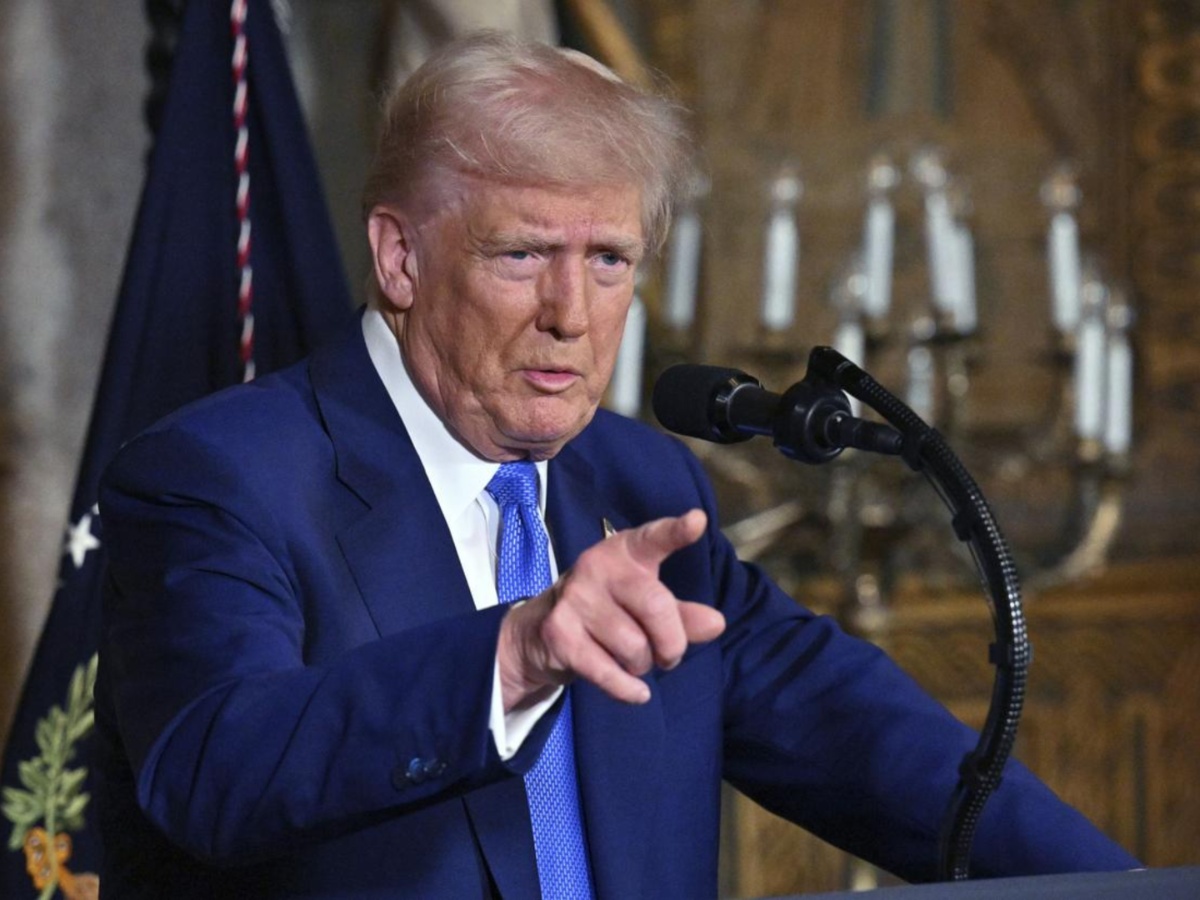
US President Donald Trump recently reignited criticism against India, calling it the “Tariff King” and accusing it of unfair trade practices and also he argued that India protects its markets with excessively high customs duties. But when you dig into the actual numbers, global comparisons, and how India’s trade policy has evolved over the years, that claim simply doesn’t hold up in fact, India’s tariffs — especially on goods from the US remain moderate and well within international norms.
Understanding the Real Tariff Picture
India’s simple average tariff currently stands at 15.98%, which may appear high at first glance but however, the trade-weighted average tariff a more accurate measure reflecting actual duties based on trade volumes—is only 4.6%, as per World Bank data. This lower figure reveals that most high tariffs apply to sectors with low import volumes, such as agriculture and automobiles, while goods that are heavily traded face much lower duties.
US Exports Face Modest Indian Duties
India imported $42.2 billion worth of goods from the United States in FY 2023-24. Over 75% of this trade came from just 100 product categories, most of which saw low to moderate tariffs:
- Crude Oil and LNG: Rs. 1.1/tonne and 2.75% duty – 18.25% of US imports
- Industrial Machinery: 7.5% – 9.75% of imports
- Coal: 5% – 8.8% of imports
- Medical Equipment: 5%–7.5% – 4.6% of imports
- Aircraft and Parts: 2.5% – 3% of imports
- Fertilizers: 7.5%–10% – 1% of imports
Global Context Proves India Is Not an Outlier
Compared to other countries, India’s tariff regime is balanced. For instance:
- Semiconductors and IT hardware: India charges 0%, while Vietnam charges up to 50%, China up to 25%, and Indonesia up to 30%.
- Agricultural products: India’s average is 33%, while the EU imposes up to 261%, Japan up to 298%, and South Korea over 800% on some items.
When comparing simple average tariffs, where India (15.98%) aligns with other developing nations:
- Bangladesh: 14.1%
- Türkiye: 16.2%
- Argentina: 13.4%
India’s trade-weighted average of 4.6% is lower than Vietnam (5.1%), Indonesia (5.7%), and nearly equal to the EU (5%).
Read More: Trump Threatens Major Tariff Hike on India Within ‘24 Hours’: ‘Settled on 25%, But…’
India Has Consistently Lowered Tariffs
India has significantly liberalized its tariff structure over the decades:
- In 1990: Average tariff was 80.9%
- In 1999: Dropped to 33%
- By 2023: Fell to 15.98% (simple), 4.6% (weighted)
In January 2024, India further reduced tariffs on several US goods:
- Motorcycles above 1600cc: from 50% to 30%
- Motorcycles below 1600cc: from 50% to 40%
- Bourbon whiskey: from 150% to 100%
- Ethernet switches: from 20% to 10%
- Synthetic flavorings: from 100% to 20%
- Fish hydrolysate: from 15% to 5%
India also removed retaliatory tariffs on US apples, almonds, walnuts in 2023, showing flexibility in solving trade tensions.
India’s Non-Tariff Measures Are Transparent
India’s non-tariff barriers are generally transparent and globally aligned, for example:
- India’s Maximum Residue Limits (MRLs) match or are less strict than Codex standards in 24 out of 32 cases.
- In comparison, Japan matches only 15 out of 52, and the EU only 6 out of 58.
- India’s biotech and veterinary health rules are science-based and aligned with international practices.
- Meanwhile, countries like China impose over 2,600 non-tariff measures (NTMs), many of which create serious export difficulties.
The US Imposes High Tariffs Too
The US also protects key sectors with extremely high tariffs:
- Sour Cream: Up to 297.79%
- Tobacco: Up to 350%
- Peanuts: Up to 163.8%
- Cheese: Average 23.98%
- Automobiles: Average 19.28%
Developed countries like Switzerland (28.5%), Norway (31.1%), and South Korea (57%) impose even higher tariffs on agricultural products.
A Fair Tariff Policy Rooted in Economic Strategy
India’s tariff strategy aims to protect domestic farmers, ensure food security, and support strategic sectors and the country has shown steady liberalization, a clear commitment to fair trade, and a balanced tariff regime.
India’s tariff and non-tariff frameworks reflect global standards—not protectionism. Far from being the “Tariff King”, India presents a case of measured, data-backed trade policy.
Read More: Elon Musk Says xAI Attracts Meta Talent Without Huge Pay: ‘Do something great’