
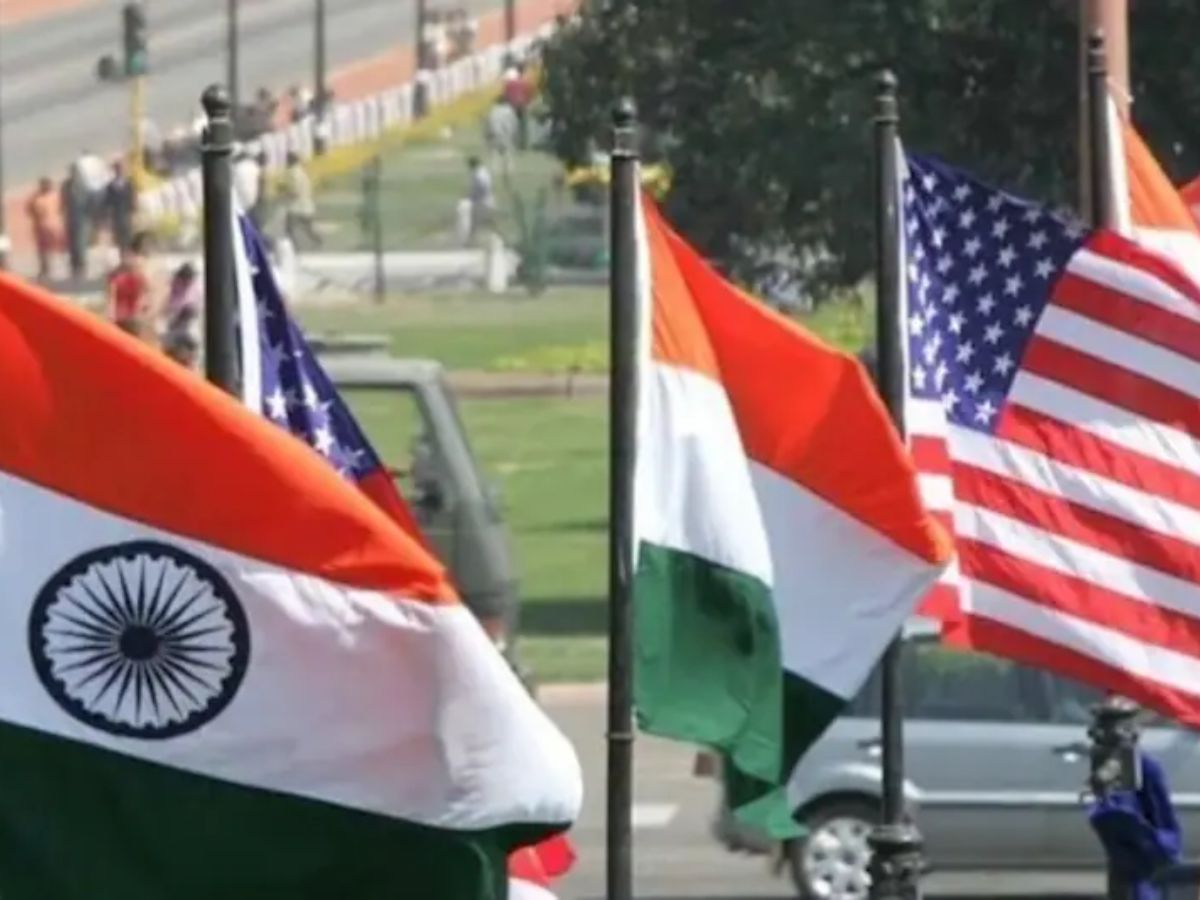
India is holding firm in its trade negotiations with the United States despite a sharp rise in tariffs. Last week, US President Donald Trump increased duties on Indian exports by another 25 per cent. This brought the total tariff to 50 per cent on Indian goods, making India one of the most heavily taxed nations in U.S. trade.
Washington linked the hike to India’s continued purchase of sanctioned Russian oil. The move has added strain to an already complex bilateral relationship. Yet, New Delhi insists talks will proceed as planned, with a U.S. delegation set to visit on August 25 for the sixth round of negotiations.
Lawmakers Signal Optimism
A parliamentary panel on foreign affairs reviewed the developments in detail. Lawmakers expressed confidence that the multi-dimensional nature of India-U.S. ties would prevent a complete breakdown. “Trade is just one aspect,” they were told in an official briefing.
ALSO READ: Who Is Nikki Haley? The Republican Leader Challenging Trump’s Stance on India
Junior Finance Minister Pankaj Chaudhary said around 55 per cent of India’s merchandise exports to the U.S. would feel the impact of the tariffs. Parliamentary Committee chair Shashi Tharoor confirmed there is no change to the U.S. delegation’s planned visit.
Agriculture and Dairy Remain Non-Negotiable
Indian officials made it clear that certain sectors are non-negotiable. Agriculture and dairy, in particular, are considered red lines. New Delhi will not allow U.S. access to these markets under any trade deal. The government is also reviewing ways to shield vulnerable industries from the tariff impact.
Commerce Secretary Sunil Barthwal explained that the U.S. levies fall into three categories — global tariffs, sector-specific duties, and revenue-oriented charges.
Diversification Becomes Strategic Shield
In response, India is speeding up trade talks with other partners. Negotiations with the European Union are now a priority. Officials are also exploring agreements with other nations to reduce reliance on U.S. markets.
READ MORE: Tariffs on India’s Russian Oil Imports a “Big Blow” to Russia, Says Trump | Watch
This diversification push is both an economic and strategic move. By broadening its trade base, India aims to avoid being cornered in future tariff disputes.
Broader Relations Stay Intact
Despite trade friction, other aspects of the India-U.S. relationship remain steady. Cooperation continues in the Quad, at the UN Security Council, and in security dialogues. However, India strongly rejected recent nuclear threats made by Pakistan’s army chief during a U.S. visit, calling them harmful to regional stability.
On Russian oil purchases, New Delhi signalled flexibility in the future. If the Ukraine conflict ends, India believes it may be possible to cut tariffs by up to 25 per cent.
India’s approach blends firmness with forward planning. It will protect its sensitive sectors while building alternative trade routes — ensuring no single partner can dictate terms.