
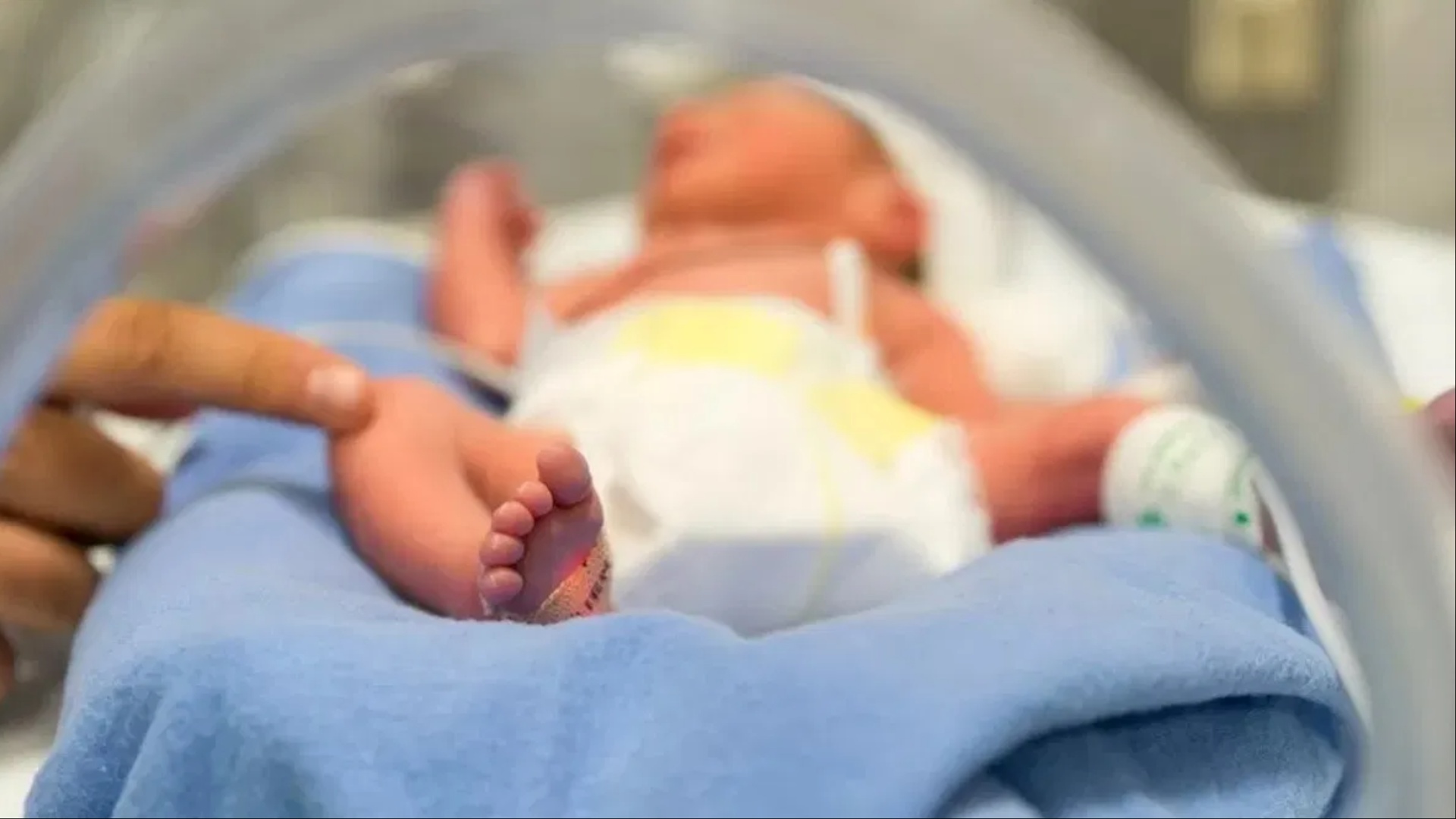
In a landmark for reproductive medicine, eight healthy babies were born in the UK through a revolutionary mitochondrial donation IVF technique that is meant to avoid genetic disease. The revolutionary process, pronuclear transfer, enables women with dangerous mitochondrial DNA mutations to give birth without inflicting life-changing or deadly conditions on their offspring.
These findings, reported in the New England Journal of Medicine, verify the effectiveness of a world-first UK trial run by Newcastle University and NHS scientists. The children, who were born to high-risk mothers carrying mitochondrial disorders, are disease-free and achieving all developmental milestones.
A Lifeline for At-Risk Mothers
Mitochondrial diseases, which strike 1 in 5,000 births, are at present incurable, but can cause serious symptoms such as blindness, diabetes, and muscle degeneration. The new IVF technique blocks the spread of these diseases by substituting abnormal mitochondrial DNA with donor sperm-free DNA. This produces embryos with nuclear DNA from the biological parents and mitochondrial DNA from a third individual — a method commonly referred to as three-person IVF.
Seven women at risk due to genetics each gave birth to eight babies — four girls and four boys, one set of identical twins, none of whom carry detectable or dangerous amounts of disease-inducing mitochondrial mutations.
Inside the Pioneering Procedure
The technique of pronuclear transfer was pioneered by Newcastle University and the Newcastle upon Tyne Hospitals NHS Foundation Trust experts. Wellcome and NHS England supported the work, and the NHS Mitochondrial Reproductive Care Pathway now provides the procedure as part of a regulated research study for suitable women in the UK.
Professor Sir Doug Turnbull, the leader of the Newcastle team, said the news will give new hope to families who face the heartbreaking burden of mitochondrial disease. He welcomed the UK’s ability to make this treatment available in a well-regulated clinical environment.
Parents Express Deep Gratitude
Parents who took part in the trial gave moving accounts one mother, whose child was conceived this way, reported, “Science gave us a chance.” Another parent of a baby boy reported mitochondrial donation “removed the dark cloud of fear” from the future of their family. Both families spoke in abiding terms of gratitude for being able to have healthy children, unencumbered by the shadow of inherited illness.
Future of Fertility and Genetic Health
This milestone is a turning point in reproductive medicine, and by implementing mitochondrial donation, physicians are now able to mitigate the risk of serious genetic disease without sacrificing biological parenthood. The success of this UK-governed trial paves the way across the world and provides new hope to families around the globe who once endured heartbreaking reproductive constraints.