
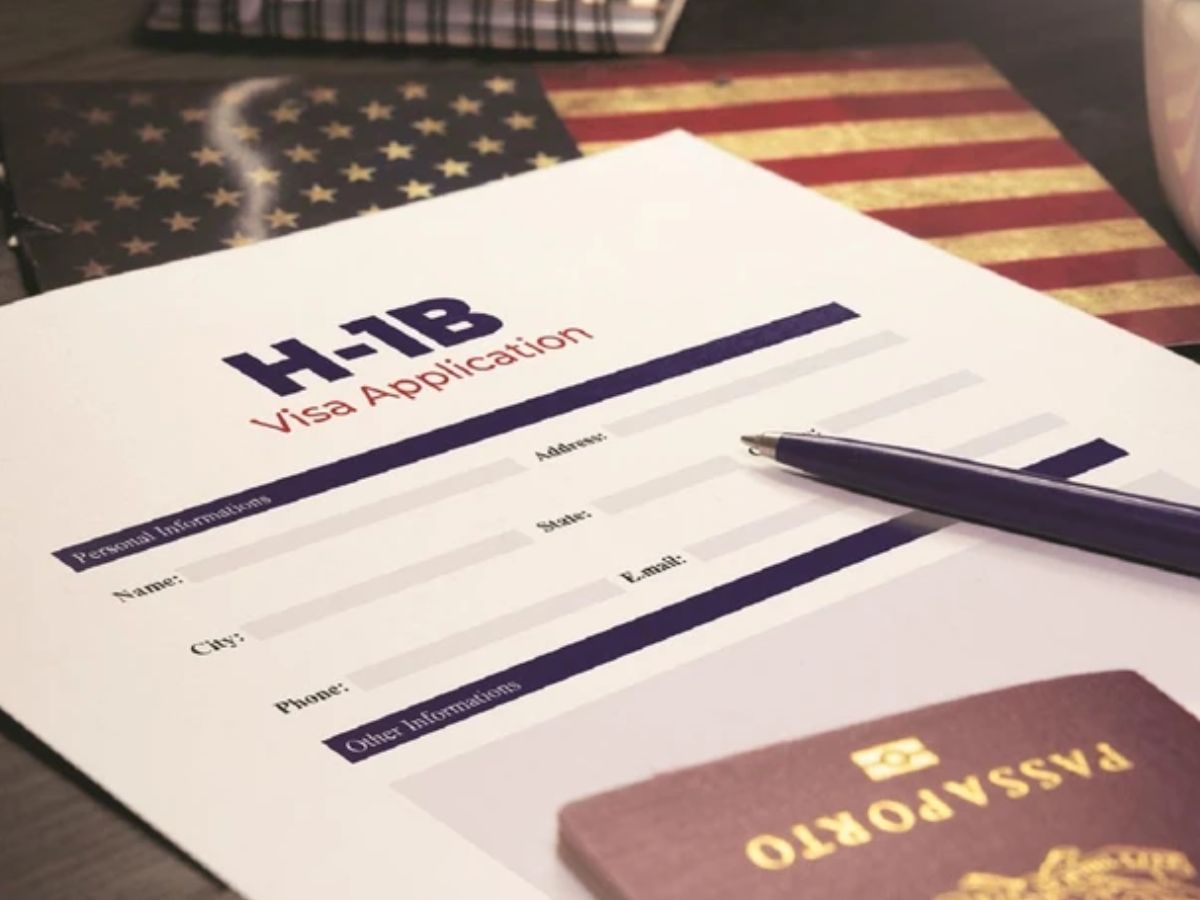
The U.S. government’s recent announcement of a $100,000 fee for new H-1B visa petitions sent shockwaves through tech companies, foreign workers, and online communities. Intended to curb misuse of the program, the fee unexpectedly triggered panic, protests, and a social media frenzy.
Immediate Reaction: Panic Among Workers and Firms
H-1B visa holders, especially Indian IT professionals, were alarmed by the sudden fee. Major companies including Microsoft, Amazon, Meta, and JP Morgan quickly issued internal advisories urging employees abroad to return to the U.S. before the fee’s implementation.
Yet, a U.S. official clarified that the fee applies only to new visa petitions, not renewals or current visa holders. “Indians on H1B visas do not need to rush back to America by Sunday or pay $100,000 to re-enter the country,” the official said.
Despite these reassurances, the announcement created a sense of urgency, leaving many employees uncertain about their travel plans and future employment.
White House Clarifications
To calm the chaos, White House spokesperson Karoline Leavitt laid out three key points:
-
The $100,000 fee is one-time and applies only to new H-1B petitions.
-
Current H-1B holders outside the U.S. will not be charged to return.
-
The fee will first take effect during the next H-1B lottery cycle.
These clarifications were essential, but they came after several days of confusion that had already impacted corporate HR operations and employees’ travel decisions.
Online Uproar and Viral Reactions
The announcement also sparked a surge of online activity, particularly on platforms like 4Chan and Twitter. Some users joked about targeting H-1B workers’ travel in operations dubbed “clog the toilet”, highlighting a mix of satire, misinformation, and political polarization online.
Social media became a battleground where real fears and exaggerated claims collided. Memes, conspiracy theories, and panic posts spread faster than official clarifications, showing the power of viral misinformation in shaping public perception.
Corporate and Economic Implications
For companies, the fee represents both a financial burden and a talent retention challenge. H-1B visas are a crucial channel for recruiting global tech talent, particularly for U.S. IT, finance, and engineering sectors. Increasing the cost of hiring could lead to:
-
Delays in recruitment
-
Talent shortages in critical tech roles
-
Higher operational costs for startups and large firms alike
Some economists argue that such a fee may inadvertently push skilled workers to Canada, the EU, or other countries offering more favorable immigration policies.
Political and Social Angles
President Trump justified the fee by arguing that the H-1B program has been “deliberately exploited to replace, rather than supplement, American workers with lower-paid, lower-skilled labor.” He added that some companies manipulate the system to suppress wages, creating an “unfair labor market” for American citizens.
Critics say the policy may disproportionately affect Indian professionals, the largest beneficiaries of the H-1B program, and could have humanitarian consequences for families separated across borders. External Affairs Ministry spokesperson Randhir Jaiswal noted, “This measure is likely to disrupt families and skilled professionals who contribute significantly to the U.S. economy.”
Broader Implications for Immigration Policy
The fee controversy underscores several broader themes:
-
Misinformation and panic: Even when official clarifications are issued, online rumors can fuel fear and uncertainty.
-
Global mobility and talent competition: U.S. policies directly influence where highly skilled professionals choose to work.
-
Economic and political ripple effects: Sudden changes in visa rules affect not just individual workers but entire industries and bilateral relations with countries like India.
The introduction of the $100,000 H-1B visa fee demonstrates how policy changes can ripple through multiple layers of society from multinational corporations and foreign workers to online communities and international relations. While the White House clarified the rules, the initial confusion highlights the delicate balance between immigration enforcement, economic needs, and the global reputation of the U.S. as a destination for skilled talent.
Also Read: Trump’s 100K USD H-1B Fee Rule Explained: What It Means for Indians Abroad