
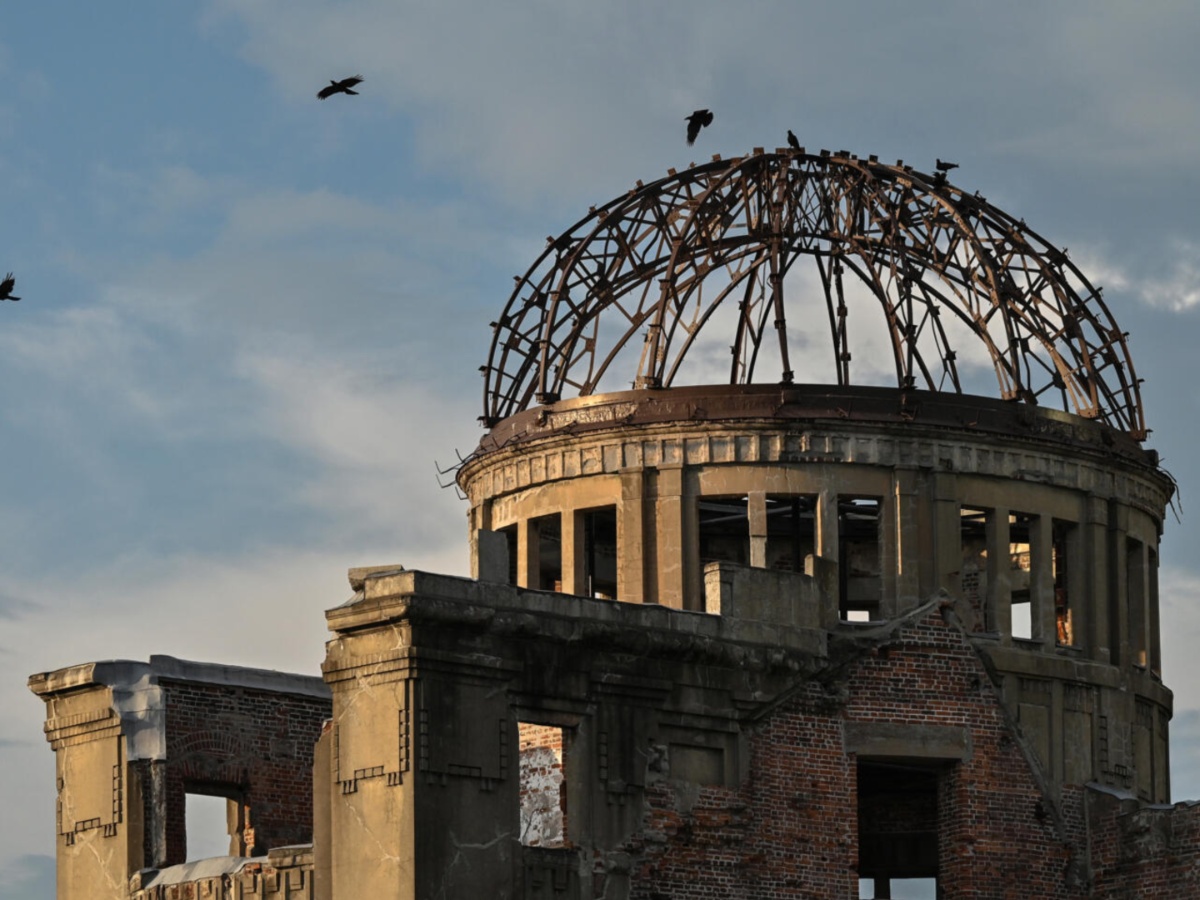
Hiroshima and Nagasaki 80 years on, the memory of August 1945 still casts a long shadow and this week, the world marks eight decades since the United States dropped atomic bombs on the Japanese cities of Hiroshima and Nagasaki, ending World War II but at an unimaginable human cost. Hiroshima Day, observed every year on August 6, reminds everyone not only of that tragedy but also of the urgent need to prevent history from repeating itself.
Why the Bombs Were Dropped
In the final stages of World War II, the United States faced a tough choice, Japan ignored calls to surrender, and military planners feared a land invasion would cost hundreds of thousands of American lives. The US opted for a swift and shocking alternative and on August 6, 1945, a nuclear bomb named Little Boy was dropped on Hiroshima. Three days later, Fat Man was dropped on Nagasaki where the devastation that followed was unlike anything the world had ever seen.
The Human Cost
By the end of 1945, around 140,000 people in Hiroshima and 74,000 in Nagasaki had died. Many were civilians. The survivors—known as Hibakusha—suffered radiation sickness, burns, cancer, and deep psychological scars and children born in the aftermath carried genetic impacts. The bombs ended the war but left an unhealable wound in Japan’s soul.
Read More: Forgotten Korean Survivor of WWII Atomic Bomb Speaks Out After Decades
The Impact of Nuclear Disasters
The bombings revealed the terrifying power of nuclear weapons and radiation poisoned the air, land, and water where entire neighborhoods vanished. Survivors faced discrimination and stigma and even decades later, the environmental and health impacts linger, still Hiroshima and Nagasaki became grim symbols of what nuclear war could do.
What Hiroshima Day Means Today
Each year, Hiroshima Day is a time to honor the victims. But it’s also a call to action. As global tensions rise and nuclear threats resurface, the world cannot afford to forget the silence that followed the bombings must speak louder today than ever. Peace is not a given—it’s a choice we must keep making.
Read More: How Many Trump Towers Are in India? Real Estate Brand Expands Post-Presidency