A U.S. naval operation in the Caribbean has triggered intense scrutiny and political debate in the wake of reports of a second strike on an alleged Venezuelan drug-smuggling boat on September 2.
The incident reportedly left survivors on a burning vessel before it was destroyed, raising questions about the legality and conduct of U.S. forces. Lawmakers from both parties are demanding a full accounting of events, placing the strike under the microscope.
What is the Second Strike & the Fog of War
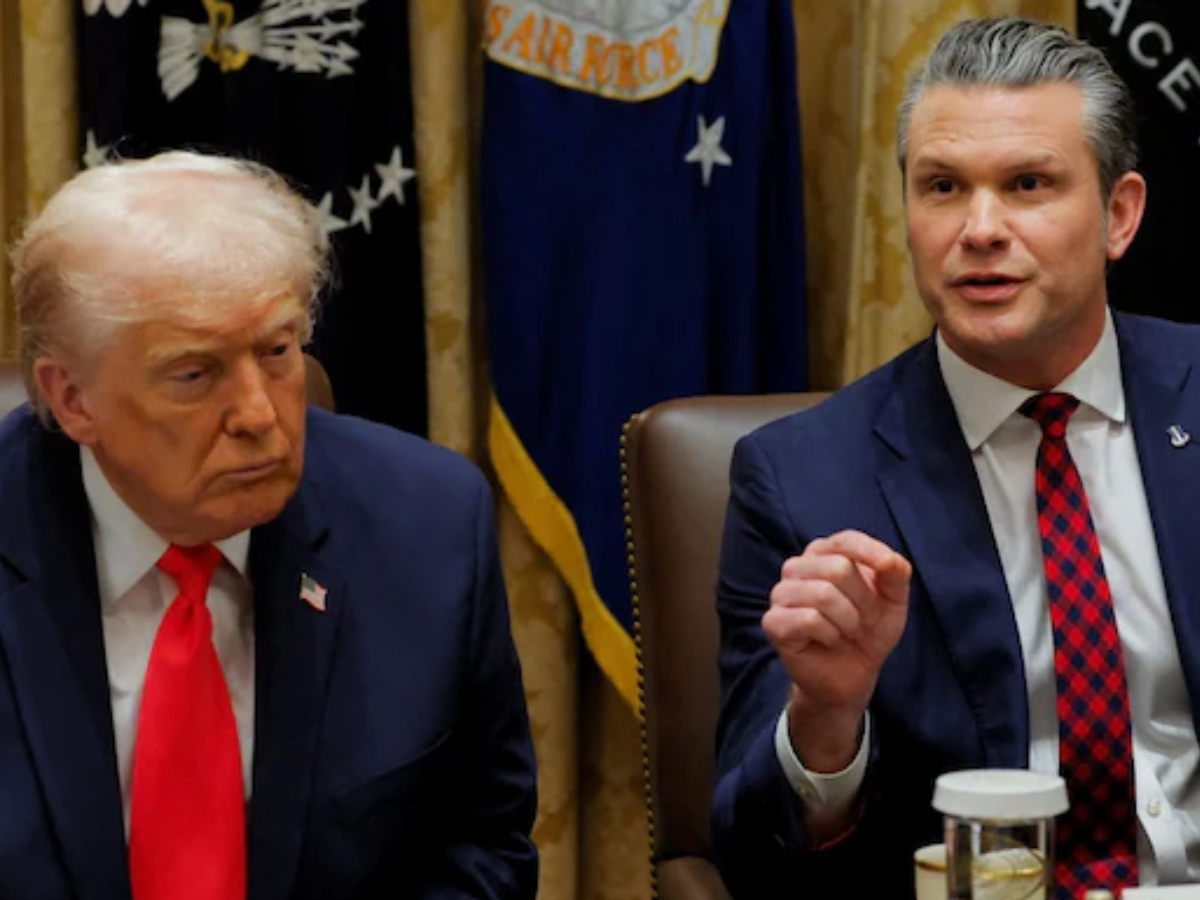
Defense Secretary Pete Hegseth addressed the situation for the first time during a White House cabinet meeting, saying he did not see any survivors before the follow-on strike.
“It was on fire and exploded you can’t see anything. This is the fog of war,” Hegseth said, describing the confusion inherent in military operations.
.@SecWar: “This is called the fog of war. This is what you in the press don’t understand. You sit in you air conditioned offices or up on Capitol hill, and you nit-pick and you plant fake stories…and then you want to throw out really irresponsible terms about American heroes.” pic.twitter.com/TNAUjTd4ag
— Rapid Response 47 (@RapidResponse47) December 2, 2025
ALSO READ: Fact Check: Is a Global War Coming? Elon Musk’s 5–10 Year Prediction Sparks Debate
He subsequently learned that Admiral Frank Bradley, then head of Joint Special Operations Command, authorized the second strike and defended the decision as appropriate.
Congressional Response
The Washington Post first reported details of the follow-on strike, which raised bipartisan concern in Congress. The Senate Armed Services Committee said it will conduct rigorous oversight of the incident. Lawmakers are examining whether U.S. forces adhered to international law and whether proper procedures were followed in authorizing the strike.
ALSO READ: US Drug War Credibility Hit as Trump Pardons Cocaine-Trafficking Honduran Ex-President
Trump Administration’s Defense
Former President Donald Trump also publicly defended Admiral Bradley, saying the White House did not know about the strike in advance. Trump described operations like these as part of a broader effort to cut down on drug trafficking through the Caribbean and Eastern Pacific, saying they have drastically reduced the flows of illegal drugs into the country.
He said both maritime and land-based operations were aimed at lowering overdose deaths, emphasizing a hardline approach to drug enforcement.
Implications & Further Research
The strike has given way to larger questions about U.S. military conduct and accountability in counter-narcotics operations. Admiral Bradley is expected to appear before congressional committees this week.
The investigation will look at whether the follow-up strike was justified and what lessons can be learned to prevent civilian casualties and maintain compliance with international law.
ALSO READ: Who is Bernie Sanders? Age, Wife, Family, Career, Net Worth & Publication
Disclaimer: This article is for informational purposes only and does not reflect official statements by the U.S. government or military.