
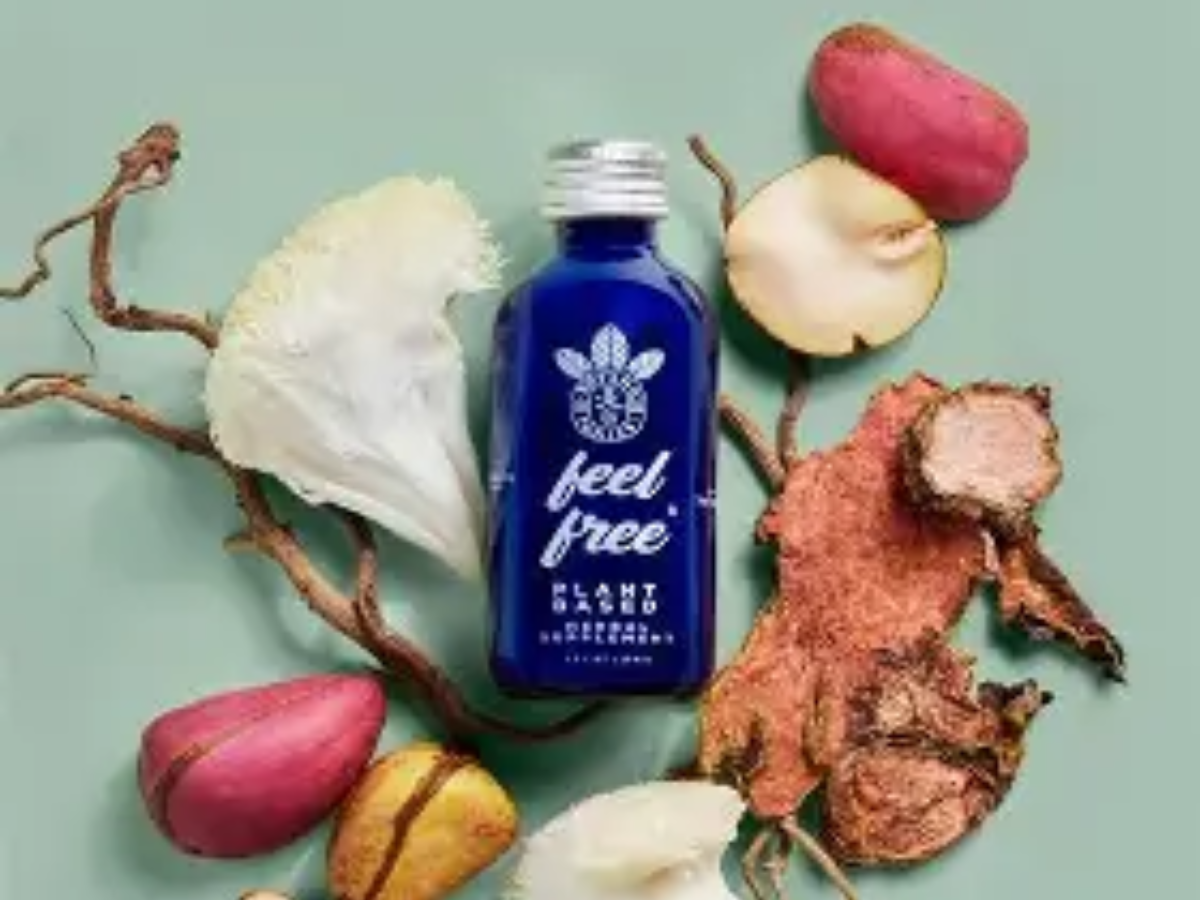
Kratom, a plant in Southeast Asia, was recently thrown into notoriety for its opioid-like properties. The scrutinized product has been increasingly found in convenience stores, gas stations, and vape shops across the United States.
The tonic is being taunted because the FDA stated that kratom products are used by people as self-management for the treatment of pain, anxiety, depression and even during periods of opioid withdrawal. The medical fraternity and other users on social media have raised concerns about the plant’s potential for getting addicted or misused.
Addiction Risks and Expert Counsel
Dr. Robert Levy, an addiction medicine expert at the University of Minnesota Medical School, acknowledged treating many patients suffering from dependence on kratom. Many who’ve attempted to label kratom natural mood enhancers or energy boosters have found themselves entering an ugly world of psychological dependence on these substances. Increased tolerance, withdrawal symptoms, compulsive taking, and an inability to cut back or quit are some effects of regular use of these products.”
ALSO READ: China to Sign Southeast Asia Nuclear-Free Zone Treaty, Supports Regional Stability
Crestview Recovery states that kava drinks and kratom drinks might serve a purpose in alleviating stress and other problems, but they increase the risk of developing long-term dependencies.
Awareness from Social Media Voices
Concerns have begun to surface across TikTok surrounding kratom’s addictiveness. One particularly viral video by Misha Brown caught a child attempting to purchase a ‘Feel Free’ tonic from a gas station, igniting conversations about the drinks’ addictiveness.
According to the gas station clerk in the video, customers on a regular basis will buy the drink multiple times daily, indicating possible habitual consumption. Other TikTok users, including recovering addicts, have relayed their own stories of relapse tied to kratom products, with one describing a hospitalization after severe withdrawal symptoms.
Industry Reaction and Legal Developments
Botanic Tonics, makers of ‘Feel Free’ tonics, denied the allegations of addiction, referring to them as untrue, stating that they have not received any serious complaints. However, in 2023, the company settled for $8.75 million in a class-action lawsuit regarding failure to warn users of the risks associated with kratom but did not admit any wrongdoing.
ALSO READ: JD Vance: Tariffs on China Still ‘On the Table’ Amid Russian Oil Concerns
Meanwhile, states like Louisiana are seeking to ban kratom outright. The state legislature passed a bill to reclassify key kratom compounds as Schedule One drugs so that they can be illegal to possess, produce, and sell, pending governor approval. In contrast, kava products remain legal within Louisiana, albeit with some local restrictions.
Navigating the Risks
To promote public awareness about the potential dangers of kratom products, it becomes vital, especially as they become increasingly accessible for general consumption.
Although sold as natural remedies, kratom products bear a resemblance to opioids, and since they have the potential for addiction, they call for enacting tight controls and educating the public about their use. Possible consumers of these products, especially those with a history of substance abuse, should be extra careful when approaching them and seek help on their use from professionals.
ALSO READ: Colombian Presidential Candidate Miguel Uribe Shot Dead at Rally