
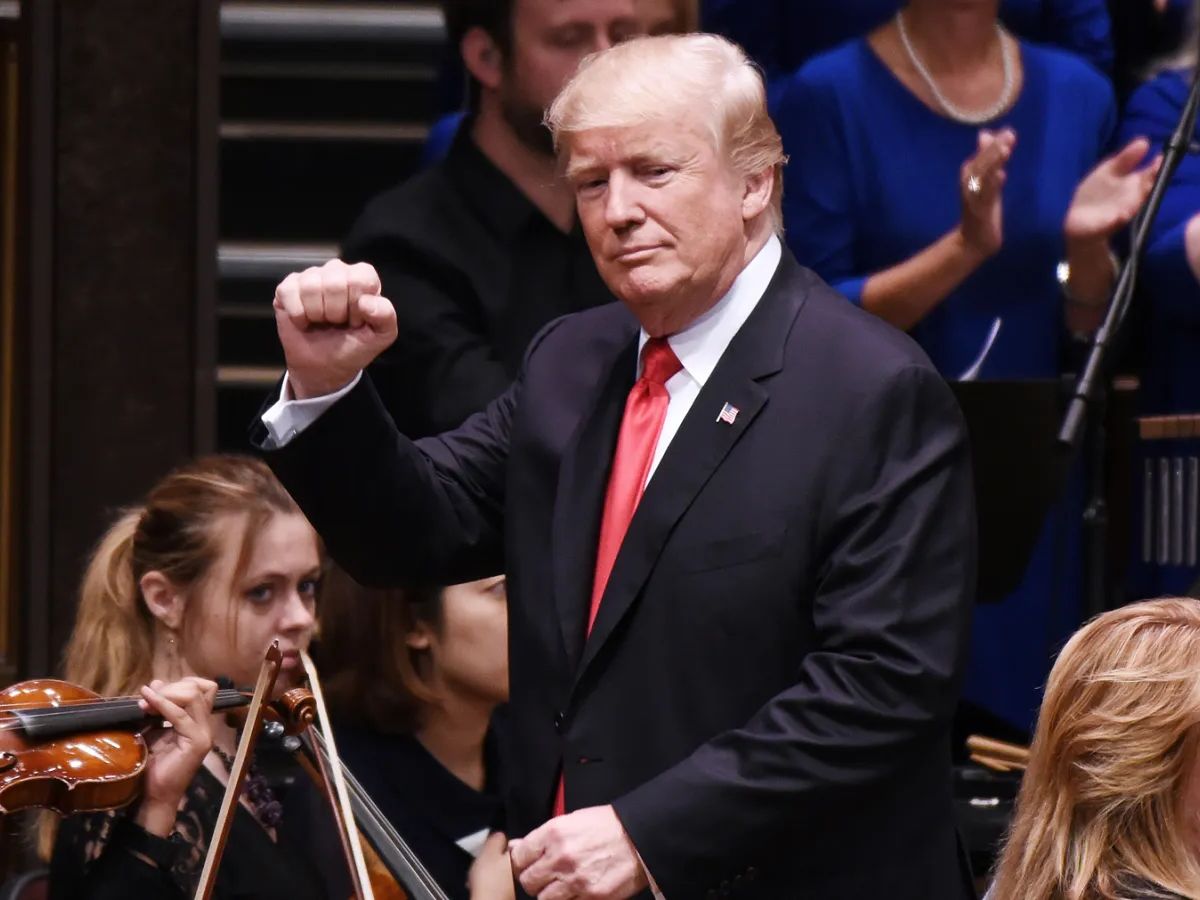
When Donald Trump returned to the White House, the political world braced for policy shifts. Few, however, anticipated that the shockwaves would reach the hallowed halls of the John F. Kennedy Center for the Performing Arts. Now, with Trump assuming the role of board chair and personally announcing the Kennedy Centre Honours, a clear message has been sent. His ambitions extend beyond governance; he is aiming to redefine American culture itself.
What Is the Kennedy Center’s Traditional Role?
Since its founding in 1971, the Kennedy Center has been known as the “Nation’s Cultural Center.” This institution was designed as a space where art transcends politics. It is the venue for presidential black-tie galas and the annual celebration of icons from film, music, and theatre. Traditionally, the arts there have been insulated from partisan power struggles, serving as a unifying symbol of national achievement. For decades, this separation of art and political agenda was a carefully guarded principle.
Who Is Now in Charge?
In an unprecedented move, Trump recently named himself chair of the Kennedy Center board. No sitting president has ever taken this hands-on role before. Typically, presidents appoint board members but remain distant from daily operations and artistic decisions. Trump’s style is decidedly different. He is deeply involved, focused on image, and unafraid to bring political considerations into the cultural sphere. This shift in leadership style has fundamentally altered the center’s dynamic.
What Does a “Rebranding” Look Like?
The changes under the new chairman have been swift and significant. Behind the scenes, major upheaval has taken place. Many long-time staff members and producers either resigned or were replaced. This exodus included Kennedy Center president Deborah Rutter and several major donors linked to previous administrations. Now, Trump’s allies make up most of the board, leading to intense debate. Critics question whether this “rebranding” is genuinely about supporting the arts or is, in fact, about taking control of them.
Also Read: November 2025 Beaver Supermoon: When, Where & How to Watch | Brightest Lunar Show
How Are the Honors Changing?
Trump’s influence has directly extended to the center’s most celebrated event: the Kennedy Centre Honours. This award recognises lifetime achievements in the arts, and its recipients are normally selected by a committee of artists and past awardees. The President’s role has always been purely ceremonial. However, Trump has reportedly involved himself in the selection process. He hinted at the upcoming lineup on Truth Social, even making a telling typo: “GREAT Nominees for the TRUMP/KENNEDY CENTER, whoops, I mean, KENNEDY CENTER, AWARDS… Tremendous work being done.”
Is This About Politics or Art?
For many observers, that “TRUMP/KENNEDY CENTER” typo was no accident. It symbolized a deeper desire to imprint his name on a national institution. During a board meeting, Trump was reported to have said, “We’ll go slightly more conservative, if you don’t mind. There are individuals out there who would not be regarded as much larger stars. This points to a change in the honors’ nonpartisan heritage, when political affiliation may begin to take precedence above artistic merit in the selection process.
Will Artists Still Participate?
The central question now is whether top-tier artists will agree to participate in a “Trump-curated” Kennedy Center event. The arts community has clashed with Trump before; in 2017, several Honorees boycotted the White House reception to protest his policies. Participating now could lead to criticism from peers and audiences in a field where principles are crucial. Furthermore, key creative partners have already walked away, and the center’s broadcast deal with CBS is expiring, adding to the uncertainty.
Also Read: Charlie Kirk to Be Posthumously Honored at Israel’s 2025 Christian Media Summit
An Institution at a Crossroads
The Kennedy Center now stands at the heart of America’s cultural divisions. Trump’s supporters view his leadership as the long-overdue return of the arts from elite circles. His critics claim it’s a dangerous politics of a cherished creative field. The irony is striking: a president who used to distance himself from the center is now in charge of it. It remains to be seen whether this new iteration of the organization succeeds or fails, but it is evident that Donald Trump views every platform as a stage, and every stage is political.