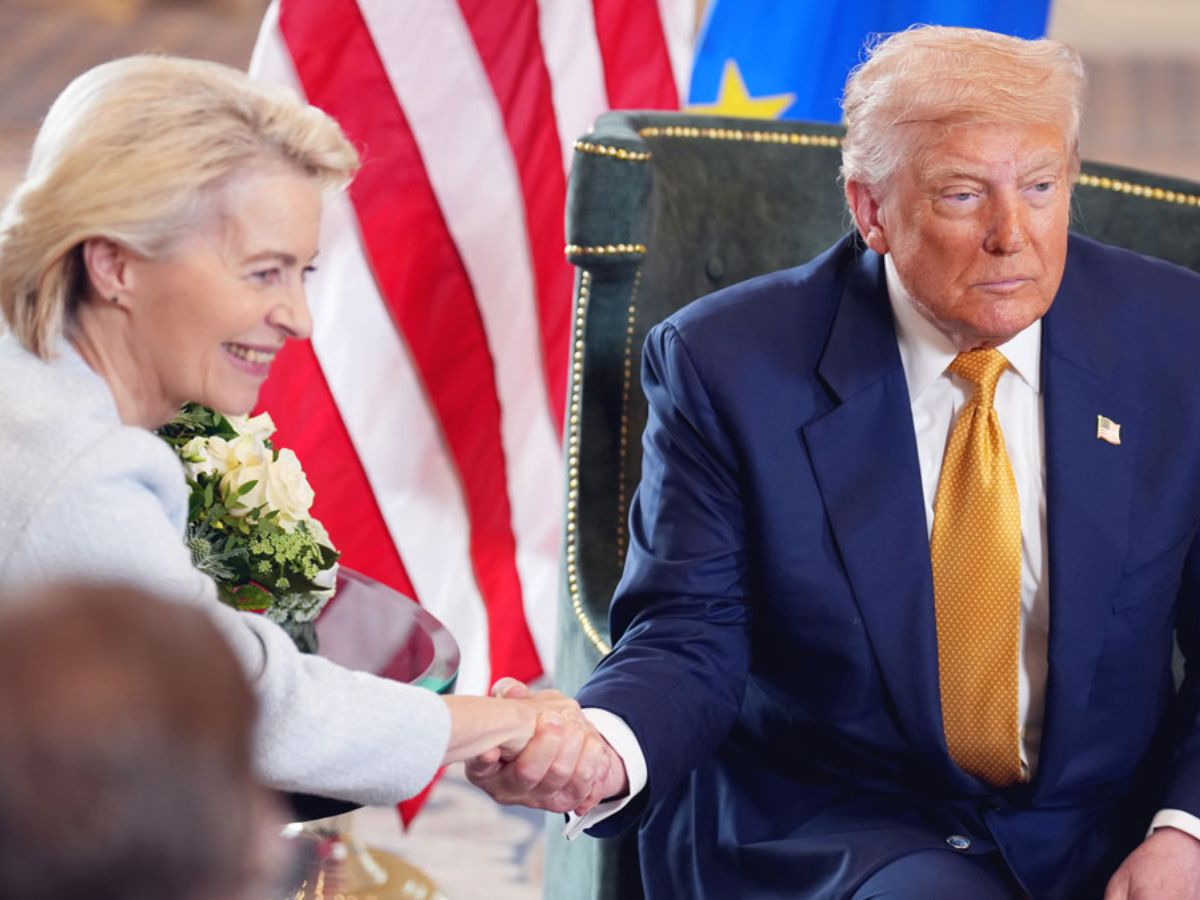
The European Union will work to ensure that promised U.S. tariff cuts on European cars take effect retroactively from August 1, Trade Commissioner Maros Sefcovic said Thursday, outlining the first steps in implementing a framework trade deal struck last month between Donald Trump and Ursula von der Leyen.
In a 3.5-page joint statement, Washington and Brussels confirmed that U.S. tariffs on most EU imports would remain at 15%, but pledged major reciprocal cuts to industrial goods, agriculture, and seafood. Crucially, the U.S. agreed to slash its 27.5% car and auto parts tariff, a massive burden for European automakers, once Brussels introduces enabling legislation.
What the Deal Means for Cars
According to the statement, U.S. tariff relief will begin on the first day of the month when EU legislation is introduced, a timetable that could make August 1 the retroactive start date if Brussels acts swiftly.
A senior U.S. administration official, speaking anonymously, said European carmakers could see relief within “hopefully weeks.” Unlike past promises, the official stressed, the U.S. is ready to act as soon as Brussels formally introduces, not passes—the required measures.
Also Read: Trump’s $500M Fraud Fine Overturned: Appeals Court Cites “Excessive” Punishment
How the Agreement Was Reached
Trump and von der Leyen announced the deal July 27 at Trump’s luxury Turnberry golf resort in Scotland, after months of tense negotiations. Both leaders hailed the framework again this week during separate talks on Ukraine, presenting it as a “historic accomplishment” for transatlantic trade.
- The agreement also commits the EU to:
- Eliminate tariffs on U.S. industrial goods.
- Grant preferential market access for U.S. seafood and farm exports.
- Procure $750 billion in U.S. energy products (LNG, oil, nuclear) plus $40 billion in AI chips.
- Support $600 billion of EU investment in U.S. strategic sectors by 2028.
Sticking Points Remain
Despite progress, the joint statement left key disputes unresolved:
- Steel & Aluminum Tariffs: The U.S. reaffirmed its 50% “national security” tariff on EU steel, aluminum, and related goods—expanded this week to hundreds more products. “No exemptions, no exclusions,” Trump trade adviser Peter Navarro insisted.
- Wine & Spirits: EU demands for tariff relief on alcohol were excluded. Trade group SpiritsEUROPE urged negotiators to return to a “zero-for-zero” tariff stance.
- Digital Trade: Both sides pledged to tackle “unjustified barriers,” while the EU agreed to drop network usage fees.
- Auto Safety Standards: Mutual recognition was promised, but industry officials said the language was far vaguer than expected.
Bigger Picture: China and Global Trade
The statement hinted at future tariff-rate quotas and “ring-fencing” domestic markets to counter Chinese overcapacity, reflecting broader U.S.–EU alignment on trade security.
Meanwhile, U.S. courts may still weigh in: a federal appeals ruling is expected soon on the legality of tariffs imposed under the International Emergency Economic Powers Act, a case that could reshape the framework’s durability.