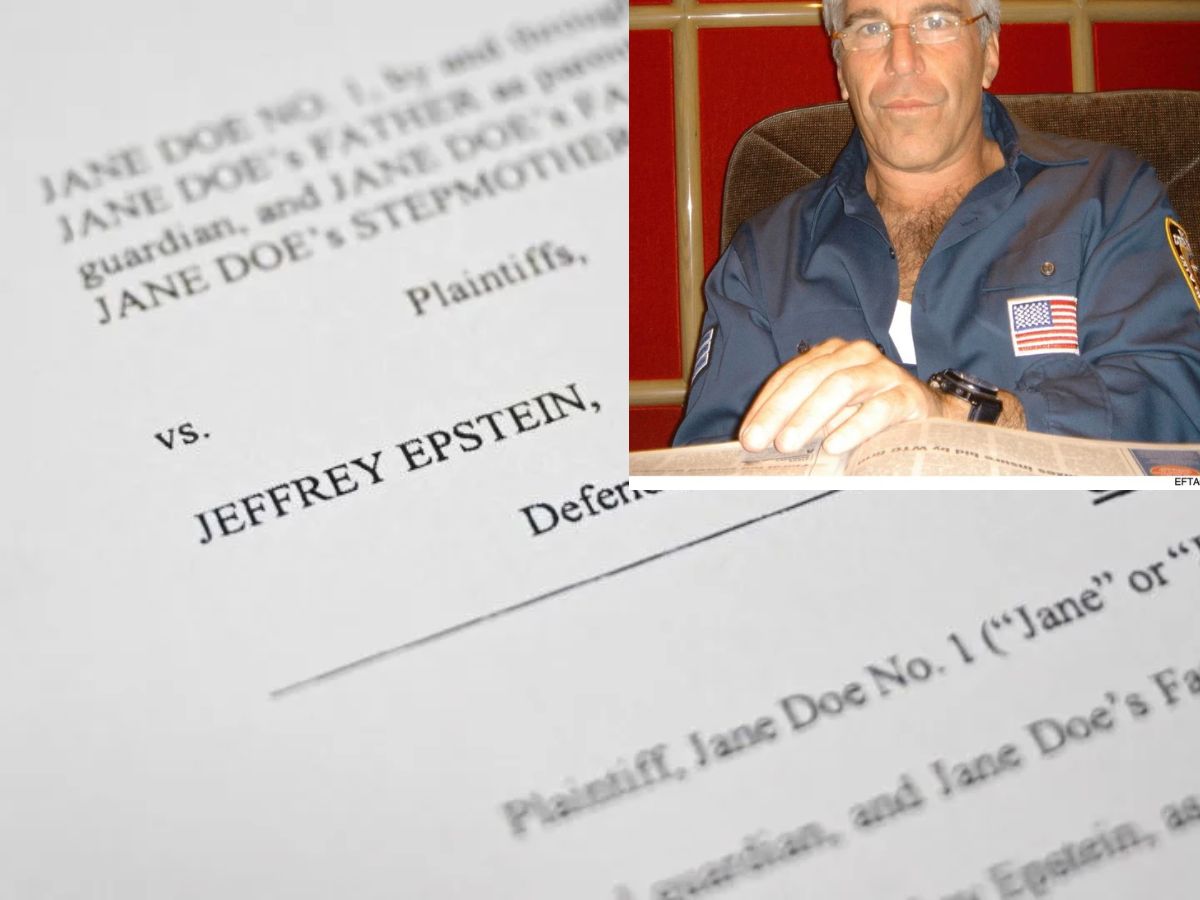
The legal pursuit of transparency in the Jeffrey Epstein case has hit a major, unexpected obstacle. The U.S. Department of Justice (DOJ) announced on Christmas Eve that it has discovered over one million new documents potentially linked to the disgraced financier, dramatically expanding the investigation’s paper trail.This disclosure follows the DOJ’s failure to provide all government-held Epstein materials by a crucial legislative deadline, which has drawn harsh condemnation from lawmakers and raised additional concerns about the case’s overall breadth.
A Missed Deadline and a Mountain of New Evidence
Why is the government late in releasing these fi les? Last month, Congress passed and President Trump signed the Epstein Files Transparency Act, a law requiring the full release of government documents on Epstein by December 19. The DOJ missed that deadline. Officials now state that the delay is due to the staggering discovery of more than a million additional documents that must be reviewed. Deputy Attorney General Todd Blanche stated that lawyers are working “around the clock” but that redacting victims’ names from the massive new cache could take “a few more weeks.”
Lawmakers Escalate Pressure and Threaten Investigation
Is Congress accepting the delay? A bipartisan group of 12 U.S. Senators is not. They have urged the Justice Department’s internal watchdog to open an investigation into the missed deadline. In a letter, the senators emphasized that Epstein’s victims “deserve full disclosure” and called for an independent audit. Key authors of the transparency law, Republican Rep. Thomas Massie and Democratic Rep. Ro Khanna, have been particularly vocal. Massie has accused the DOJ of breaking the law and making “illegal redactions,” while Khanna noted that previous document releases only occurred after lawmakers threatened contempt action.
The US Attorney for the Southern District of New York and the FBI have informed the Department of Justice that they have uncovered over a million more documents potentially related to the Jeffrey Epstein case. The DOJ has received these documents from SDNY and the FBI to review…
— U.S. Department of Justice (@TheJusticeDept) December 24, 2025
Content of the Released Files and High-Profile Names
What has been released so far? The DOJ has begun a staggered release of documents, but the process has faced criticism. Many of the already-public records—including photos, call logs, and interview transcripts—are heavily redacted or were previously available. Despite the censoring, some files contain notable references. One is a 2020 note from a federal prosecutor suggesting President Donald Trump flew on Epstein’s plane more often than previously known. Another includes emails from Epstein associate Ghislaine Maxwell, with one message asking, “How’s LA? Have you found me some new inappropriate friends?” The recipient’s identity is redacted, but contextual clues have led to public speculation about high-profile individuals.
The Core Conflict: Transparency vs. Privacy
What has caused the standoff between the DOJ and Congress? At the heart of the issue is a struggle between protecting victims and meeting transparency requirements. The DOJ says delays are due to the need to carefully redact Epstein victims’ names and private information. Lawmakers demanding quicker disclosure accuse the agency of withholding too much and straying from the law’s intent. The discovery of another million documents has heightened tensions, guaranteeing the dispute will continue into the new year.