
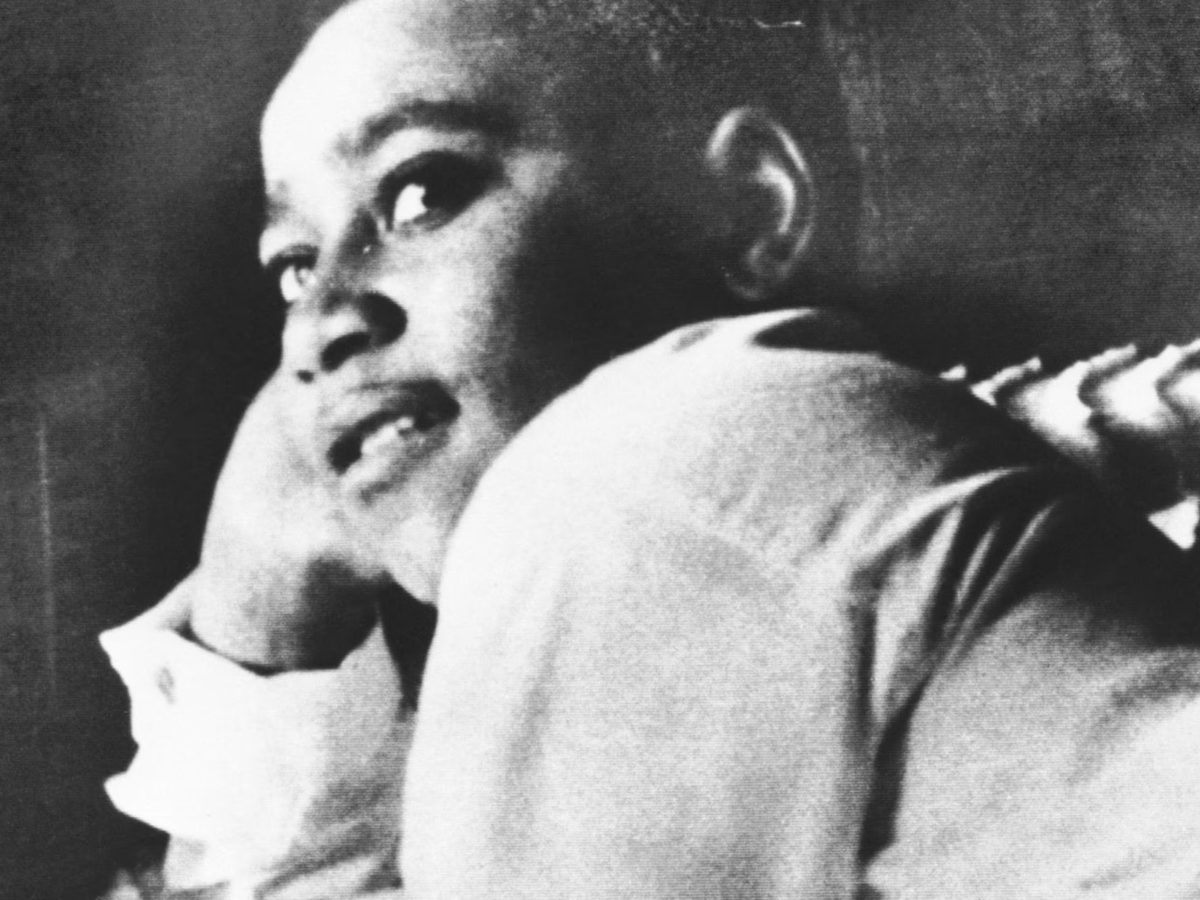
In a historic revelation, the U.S. National Archives released over 6,500 pages of documents that spell out the federal government’s reaction to the 1955 lynching of Emmett Till, a Black teenager whose murder became a watershed moment in the American civil rights struggle.
The records, released in advance of the 70th anniversary of Till’s death, consist of previously unseen case files in addition to media coverage and public documents. Assembled by the Civil Rights Cold Case Records Review Board, the release has been welcomed as a necessary step in dealing with a difficult chapter in American history.
“Today’s release is nothing short of historic,” said review board co-chair Margaret Burnham. “Emmett’s family, historians, and the public as a whole have been owed the full picture of how the federal government reacted. These documents provide much-needed clarity after an awful long time.”
A Brutal Killing That Shocked the Nation
Emmett Till, 14, had traveled from Chicago to visit relatives in Money, Mississippi, in August 1955. After being accused by Carolyn Bryant, a 21-year-old white woman, of making advances toward her at a grocery store, Till was kidnapped by her husband Roy Bryant and his half-brother J.W. Milam.
Four days after, Till’s mutilated and tortured body was yanked out of a river. His mother, Mamie Till-Mobley, decided to have an open-casket funeral in Chicago so that the world could face up to the violence done to her son. Photos of Till’s distorted face, which appeared in Jet magazine and elsewhere, outraged the nation and energized the civil rights movement.
While Bryant and Milam were arrested, the two were acquitted soon by an all-white jury. Shielded from double jeopardy protection, they later confessed to the murder in a magazine interview. Carolyn Bryant, who passed away in 2023, recanted some of her testimony years later, confessing she had lied about Till’s supposed advances.
Legacy and Impact
The killing of Emmett Till is universally seen as a watershed moment in American history, galvanizing activism that helped to pass the 1957 Civil Rights Act and ultimately to historic legislation protecting African American voting rights.
In 2022, some seven decades since Till’s death, President Joe Biden signed the Emmett Till Anti-Lynching Act into law, criminalizing lynching as a federal hate crime.
The recently unsealed records seek to illuminate the extent of federal engagement and the government’s reaction at the time. For historians and the Till family, the archive is at once a reckoning with injustice in the past and a reassertion of Till’s lasting impact on America’s civil rights movement.
The tale of Emmett Till and injustices perpetrated against him continues to be written,” Burnham stated. “But with these records, we get closer to knowing the truth.