American Muslims After 9/11
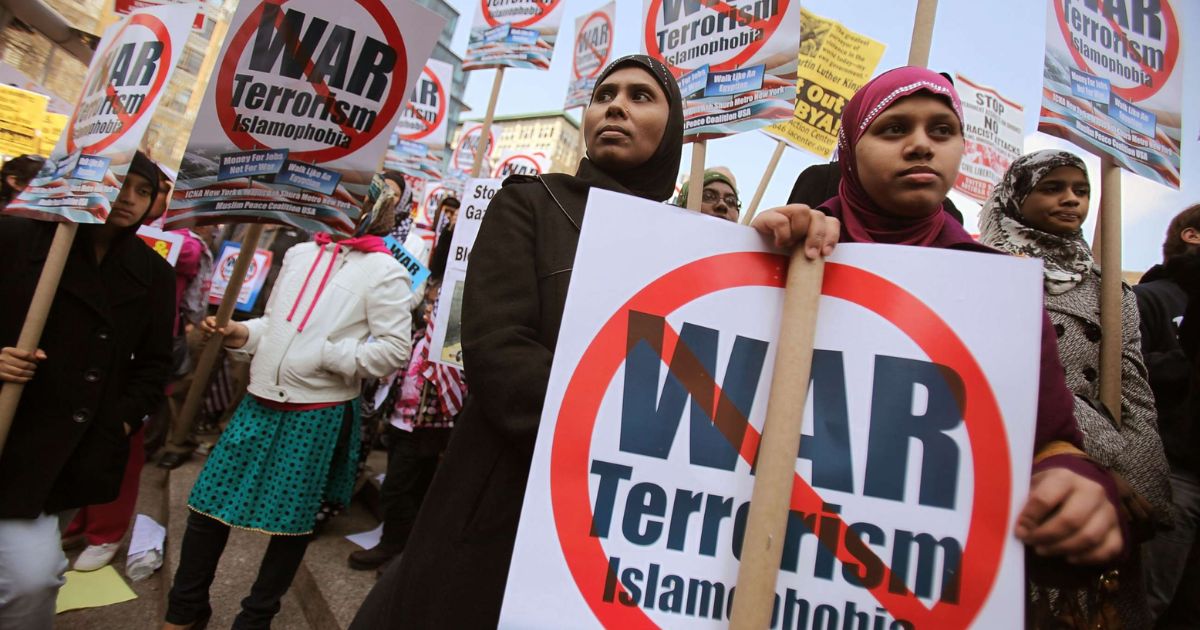
The September 11 attacks killed thousands, including Muslims, but the aftermath created a wave of suspicion and hostility toward Muslim communities in America. Similar to the 1979 Iran hostage crisis, Muslims were subject to increased scrutiny, discrimination, and an often-politicized dialogue about “real Islam.” While the majority of Americans did not become anti-Muslim, the noisy voices of misinformation and hate gave rise to an image of mistrust. By 2017, Pew Research Center had placed Muslims at only slightly more than 1 percent of the population of the US, yet their everyday lives had been greatly altered by partiality.
Nevertheless, there have been flickers of hope. While hate crimes increased, civil society organizations and religious institutions united to push back against extremism and foster diversity. New initiatives, like the Pillars Fund, raised up the voices of Muslims through art, culture, and policy. Advocacy has become more robust, philanthropy more active, and dialogue more diverse. But far-right politics and polarizing political discourse are still threatening to undo these gains.
Global Engagement and Lessons Learned
After 9/11, US officials struggled to refute al-Qaeda’s propaganda that the West was waging a war against Islam. Presidents George W Bush and Barack Obama both made efforts to establish partnerships and push common values through outreach. But US wars in Afghanistan and Iraq, drone strikes, and Abu Ghraib and Guantanamo Bay abuses eroded trust and provided fuel for extremist propaganda.
Despite this, programs such as Generation Change a youth leadership network that operates globally demonstrated the potential of grassroots initiatives to offer resistance to radicalization. Across locations such as South Africa and Trinidad, youth-initiated projects provided identity-safe spaces from which to disown extremist frameworks.
The Obama Era
Obama’s 2009 Cairo speech seemed to restore some confidence at first, speaking to shared respect and the Islamic contribution to world history. The administration introduced initiatives like the Presidential Summit on Entrepreneurship, establishing connections transcending security issues. Yet disappointment with drones, Syria, and the emergence of ISIS destroyed the goodwill. Nevertheless, Obama’s initiatives were the most assertive American outreach to Muslim communities ever undertaken.
ALSO READ: 9/11 Explained: Did Baba Vanga and The Simpsons Really Predict the Attacks
Countering Extremism Today
Almost twenty years of counter-extremism efforts demonstrate that soft power, or Countering Violent Extremism (CVE), is vital and under-resourced and disjointed. Civil society-based programs, using former extremists and education, hold promise but not at scale. Experts contend the US should be investing more, coordinating more effectively, and engaging with local leaders, teachers, parents, and religious figures to prevent extremist ideologies from gaining purchase.