
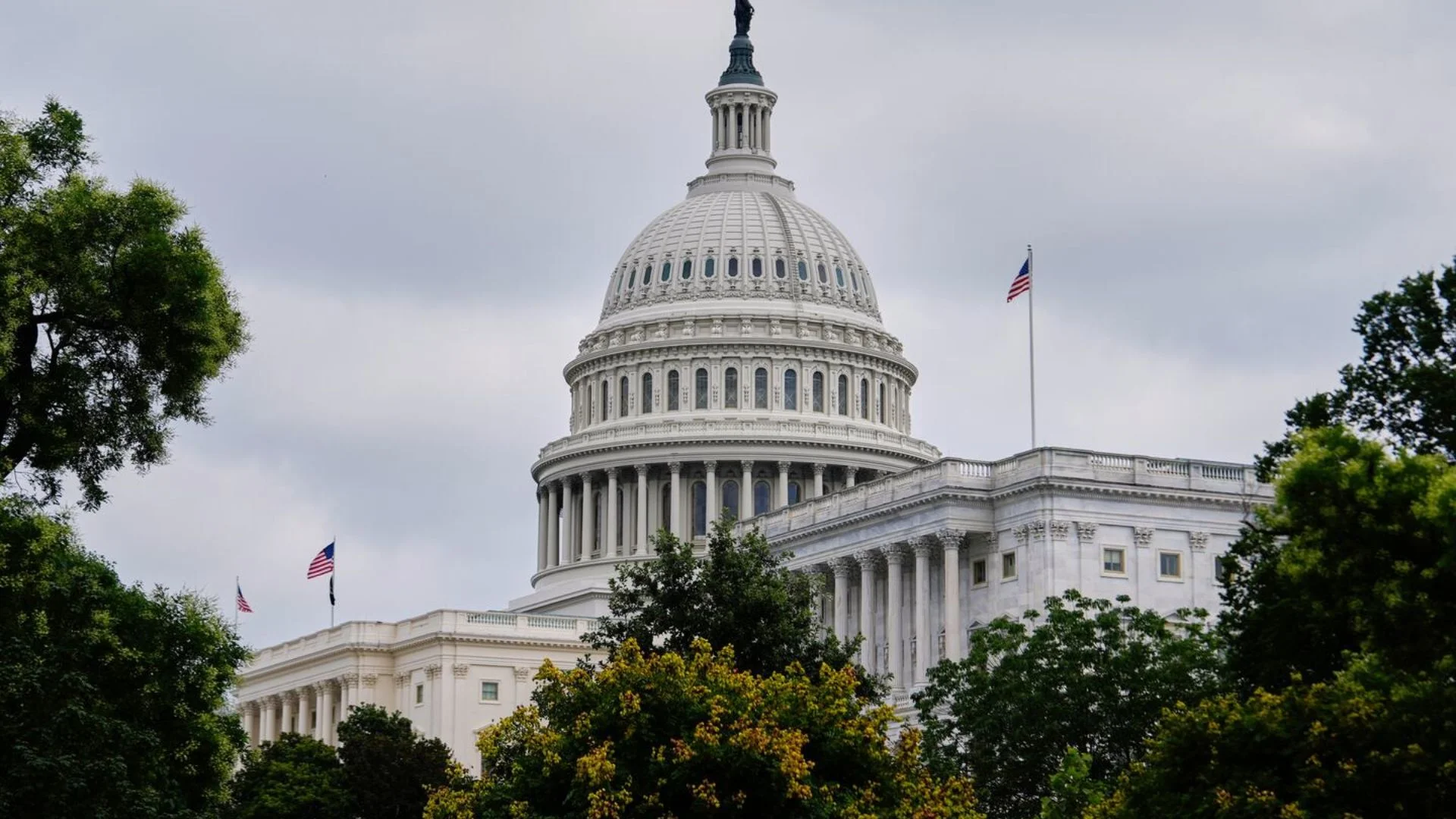
In a major breakthrough for the digital currency sector, the US House of Representatives on Thursday passed a bill to create a federal regulatory framework for stablecoins cryptocurrencies that are linked to the US dollar. The bill, known as the Genius Act, goes to President Donald Trump, who will sign it into law.
The bill is a victory for the crypto industry, which has long pushed for explicit federal guidelines to legitimize and grow the usage of digital currencies. The bill passed with broad bipartisan support with both Republicans and Democrats supporting the initiative to regulate stablecoins at the federal level.
Stablecoins are a class of digital currency that aims to hold a fixed value usually one dollar per token by being collateralized with liquid assets like dollars or short-term Treasury bills. They are popularly traded in crypto markets for enabling quicker and cheaper transactions between different tokens.
If signed, the new legislation will make issuers of stablecoins maintain equivalent liquid reserves and disclose the breakdown of their reserves on a monthly basis. The purpose is to enhance transparency and ensure financial stability in the increasing digital asset market.
In addition to the Genius Act, the Clarity Act also passed the House. The Clarity Act works to establish more general regulatory frameworks for cryptocurrencies that extend beyond stablecoins. That bill will now move to the Senate to be debated and hopefully approved.
The vote represents a watershed moment for the cryptocurrency sector, which spent more than $119 million on elections last year to promote lawmakers who are pro-regulation of digital assets. Leaders in the industry contend that a uniform federal approach could enable cryptocurrencies to have a greater presence in world payments and finance.
Last year, a companion stablecoin bill made it through the House but did not move in the Democrat-dominated Senate. With more influence now being held by Republicans and President Trump supporting crypto-friendly initiatives, momentum is now with regulation.
President Trump has in the past been a vocal proponent of digital assets, including creating his own meme coin, $TRUMP, as well as supporting a crypto firm, World Liberty Financial, part-owned by his family. Critics have expressed concerns regarding conflicts of interest, but the White House insists that Trump’s interests are placed into a trust run by his children.
Enactment of the Genius Act is a significant milestone for the US cryptocurrency sector, providing the potential for legal certainty and broader use of stablecoins within the traditional financial system.