
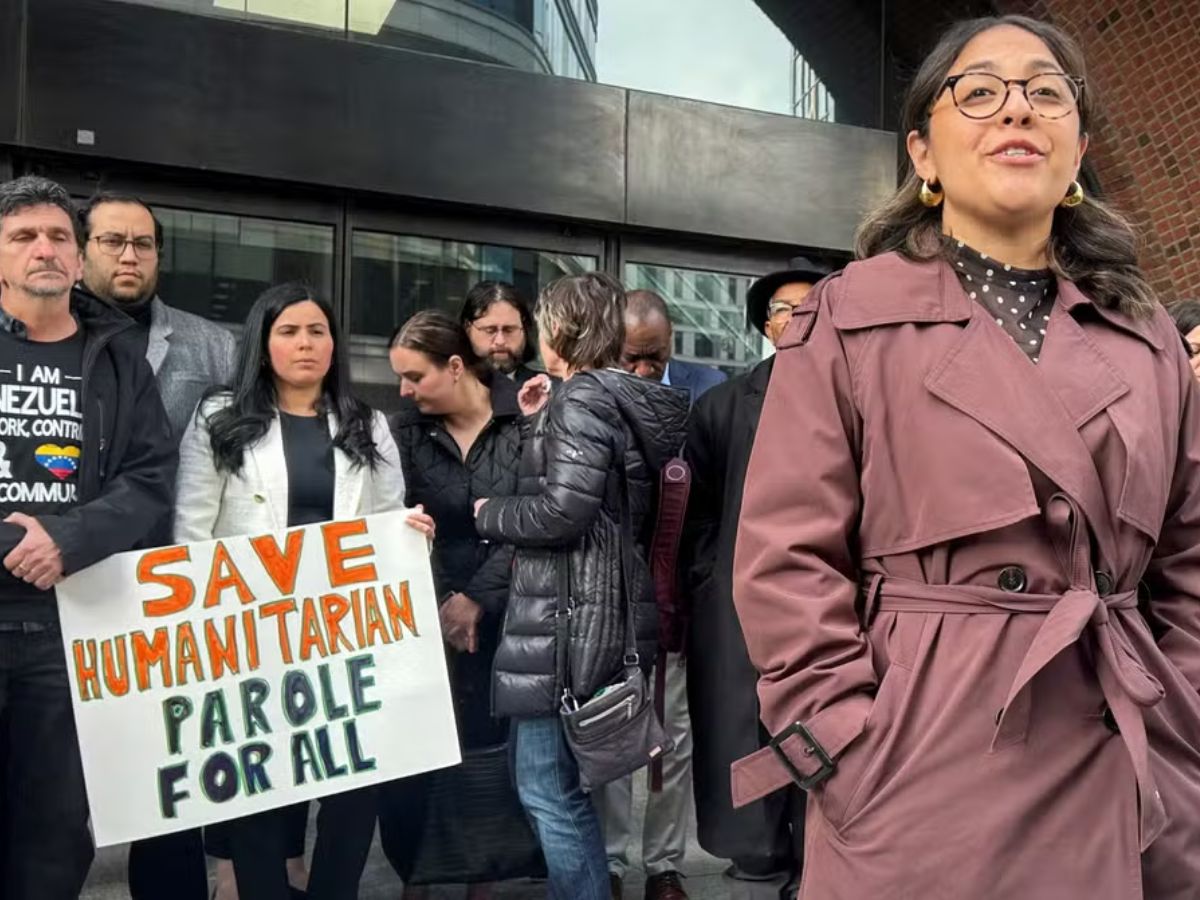
In a ruling with immediate and profound consequences, a federal appeals court on Friday sided with the Trump administration, allowing it to proceed with the termination of temporary legal status for approximately 530,000 migrants from Cuba, Haiti, Nicaragua, and Venezuela. The decision overturns a lower court’s order and forces hundreds of thousands to make an impossible choice.
What Did the Court Decide?
The Boston-based 1st U.S. Circuit Court of Appeals rejected a challenge by immigrant rights advocates. The lawsuit aimed to stop Homeland Security Secretary Kristi Noem from ending the “parole” programs established under President Biden. These programs allowed nationals from the four countries who entered the U.S. lawfully by air to request a two-year parole if they had a financial sponsor and passed security checks.
Writing for the three-judge panel, Judge Gustavo Gelpí acknowledged the severe impact of the termination, stating it forced parolees to “choose suddenly between returning to the dangers in their home countries or staying in the United States and risk being detained and deported.”
Also Read: Who Is Matt Robinson, The Father Who Turned In His Son For Charlie Kirk’s Murder?
Why Did the Court Rule This Way?
Despite recognizing the human cost, the court found that the lawyers for the migrants failed to prove that Secretary Noem lacked the legal authority to end the programs categorically. The court pointed to the Immigration and Nationality Act as granting the administration this discretion. Notably, Democratic presidents appointed all three of the panel’s judges, highlighting the decision’s legal foundation rather than its ideological one.
This ruling follows a move by the U.S. Supreme Court in May, which had already put the lower court’s injunction on hold, allowing the terminations to take effect while the litigation continued.
What Are the Consequences for the Migrants?
The immediate effect is a crisis of uncertainty for the nearly half a million people affected. Their protected status has been revoked, effectively making them priorities for detention and removal. The court described their dilemma as a choice between living in the United States without legal status and under perpetual risk of deportation, or returning to hazardous and unstable homelands.
Also Read : ‘Horrific Murder of Chandra’: The Gruesome Motel Killing That Occurred the Same Day as Charlie Kirk’s
What Happens Next?
Immigrant rights advocates have vowed to continue the fight. Esther Sung, a lawyer for the plaintiffs at the Justice Action Center, called the ruling “devastating” but also “narrow,” adding that “there’s still room for us to prevail as the litigation continues and moves to final judgment.”
The Department of Justice had previously argued that the lower court’s injunction was a “brazen request to defy the Supreme Court,” given its earlier decision to stay the ruling. The lives of hundreds of thousands of people are at stake while the court struggle rages on, waiting for a verdict that will decide their future in the US.