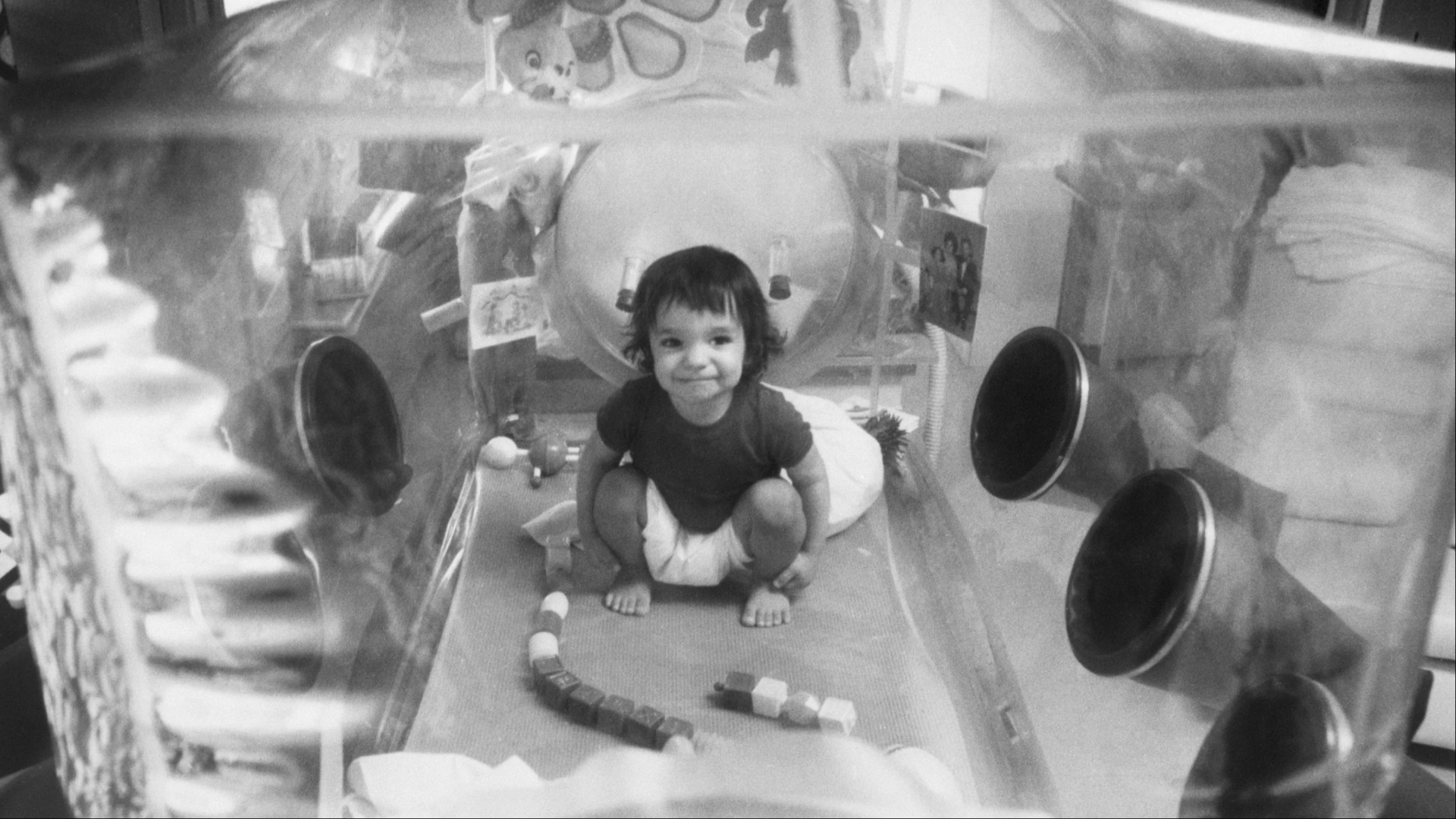
David Vetter, best remembered as the “Bubble Boy”, existed in total medical seclusion, born in 1971 with severe combined immunodeficiency (SCID), a rare genetic disorder, and David had no working immune system. To keep him safe from lethal infection, physicians put him in a sterile plastic isolator right after birthing his life, though brief, kindled intense debates regarding ethics, pediatric medicine, and the borders of medical science.
Life in Solitary: Sterile Rooms and NASA Technology
David spent his whole childhood within a succession of plastic bubbles even casual human contact was forbidden his physicians created sterile environments and suits to protect him. NASA was brought into the act by assisting in the development of a specialized bubble that did enable some mobility. Even these developments, however, could not prepare David to live a normal life the emotional and psychological strain on him and his family were tremendous, during his 12 years, his treatment cost about $1.3 million.
A Perilous Hope: Bone Marrow Transplant from His Sister
In 1983, physicians tried a breakthrough, David underwent bone marrow transplantation from his sister Katherine, with the hope of developing his immunity and later weaning him off the bubble. Although David’s body did not reject the transplant, there was an insidious risk in the donor cells. Katherine’s marrow contained residual Epstein–Barr virus, which had not been detectable during screening. Several months post-transplant, David became ill with mononucleosis, and later Burkitt lymphoma.
A Life Lost, A Legacy That Remains
David Vetter passed away on February 22, 1984, at the age of 12 after doctors performed an autopsy that validated the virus as the cause of death he was interred next to his older brother in Conroe Memorial Park in Texas on February 25, 1984. In spite of the tragic ending, David’s life led to a surge of research into SCID and immune system disorders. It also resulted in newborn screening improvements and advancements in gene therapy. His life redefined the way the medical community handles genetic immune deficiencies.