
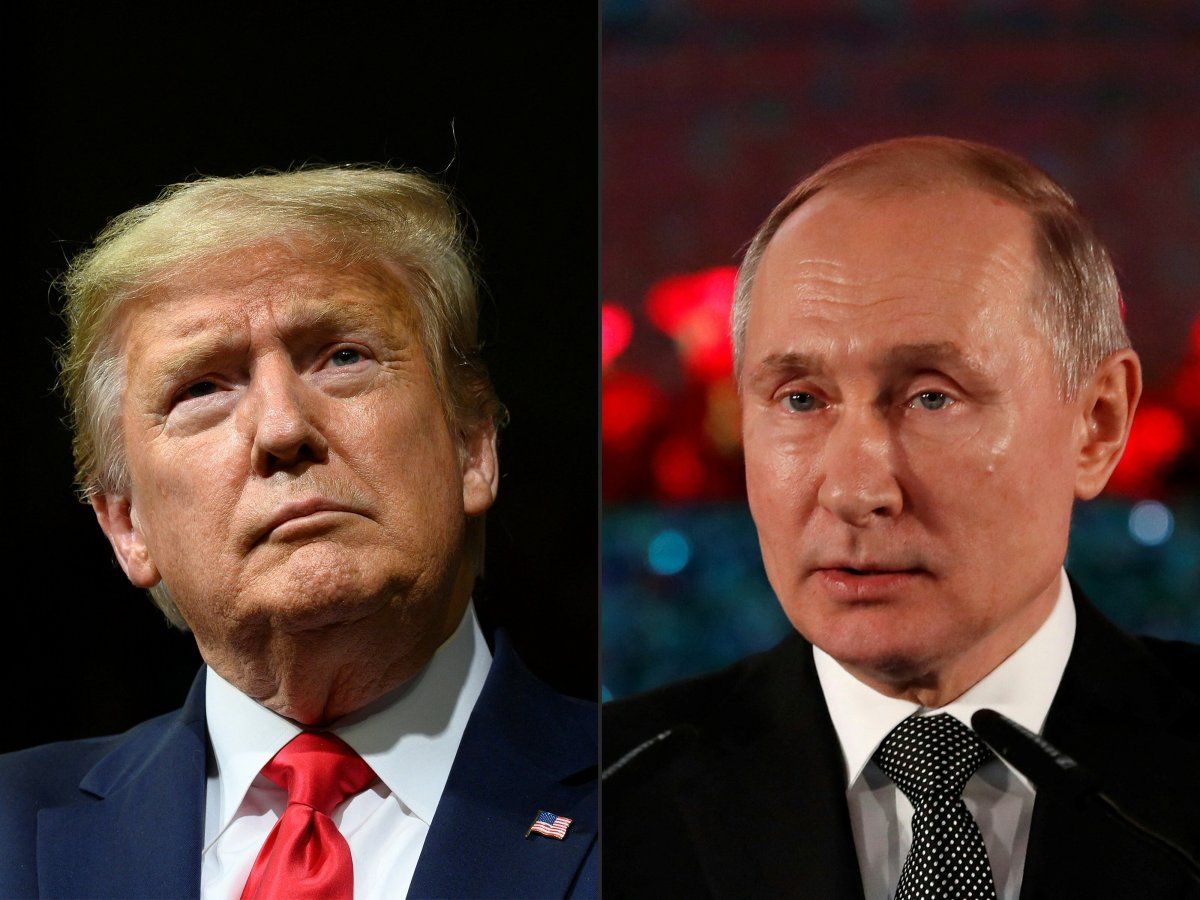
Russia has warned against the use of nuclear rhetoric after US President Donald Trump announced the repositioning of two American nuclear submarines. The Kremlin downplayed the move as routine but stressed the need for global restraint when discussing nuclear arms. Russian spokesperson Dmitry Peskov said these submarines are typically on patrol and their movement should not raise alarms.
However, he warned that nuclear weapons should be handled with extreme care and urged leaders to avoid inflammatory statements. Trump announced in response to former Russian President Dmitry Medvedev’s warning about the risk of nuclear conflict.
Russia clarified that President Vladimir Putin, not Medvedev, drives the country’s foreign policy. This incident also sparked renewed focus on the global non-proliferation regime and whether Washington’s latest posture signals a deeper strategic shift.
ALSO READ: Clearlake Brush Fire Grows to 100 Acres, Prompting Emergency Evacuations
Trump’s Statement Triggers Kremlin Response
Trump’s remarks came on August 1, after Medvedev warned about the potential war between nuclear-armed nations. In response, Trump said he had ordered the repositioning of two US nuclear submarines. This announcement prompted immediate reaction from Moscow. Kremlin spokesman Dmitry Peskov addressed the media and called the move routine.
He said such submarines are usually on combat duty, and their deployment should not be viewed as an escalation. However, he warned that any nuclear reference must be made with great caution.
ALSO READ: From Adult Films to Politics: HIV-Positive Ex-Porn Actor Becomes Colombian Minister
Russia Emphasises Nuclear Responsibility
Dmitry Peskov underlined that Russia remains committed to nuclear non-proliferation. “We believe everyone should be very, very cautious with nuclear rhetoric,” he said.
He also dismissed suggestions that Medvedev speaks for the Russian government on foreign policy. According to Peskov, “In our country, the foreign policy is decided by the head of state, President Putin.”
Russia’s statement aimed to ease global concerns, even as it reminded the US of the dangers of nuclear brinkmanship.What is Nuclear Non-Proliferation?
The Treaty on the Nonproliferation of Nuclear Weapons (NPT) serves as the foundation for global nuclear security. It was signed in 1968 and has been in place since 1970. Its goals include preventing nuclear proliferation, supporting peaceful nuclear energy, and furthering disarmament.
Under the treaty, nuclear-armed states agree not to help others build such weapons. Non-nuclear governments have agreed not to pursue them. The International Atomic Energy Agency (IAEA) oversees global nuclear operations to prevent the abuse of nuclear materials.
The treaty now includes 191 member countries, more than any other arms control deal.
ALSO READ: Despite Trump Tariffs Heat, India Ramps Up Energy Imports from US
New US Posture Under Trump?
Trump’s announcement has also triggered debate over whether the US is shifting its nuclear posture. While the Pentagon did not frame the submarine move as escalatory, Trump’s public revelation raised eyebrows.
Military analysts suggest this may reflect a more aggressive, personalized style of foreign policy. It also calls into question the communication of national security decisions, especially those involving nuclear capabilities.
An already fragile international order might be disrupted if the trend persists and both allies and adversaries start to doubt the strategic rationale for US military operations.