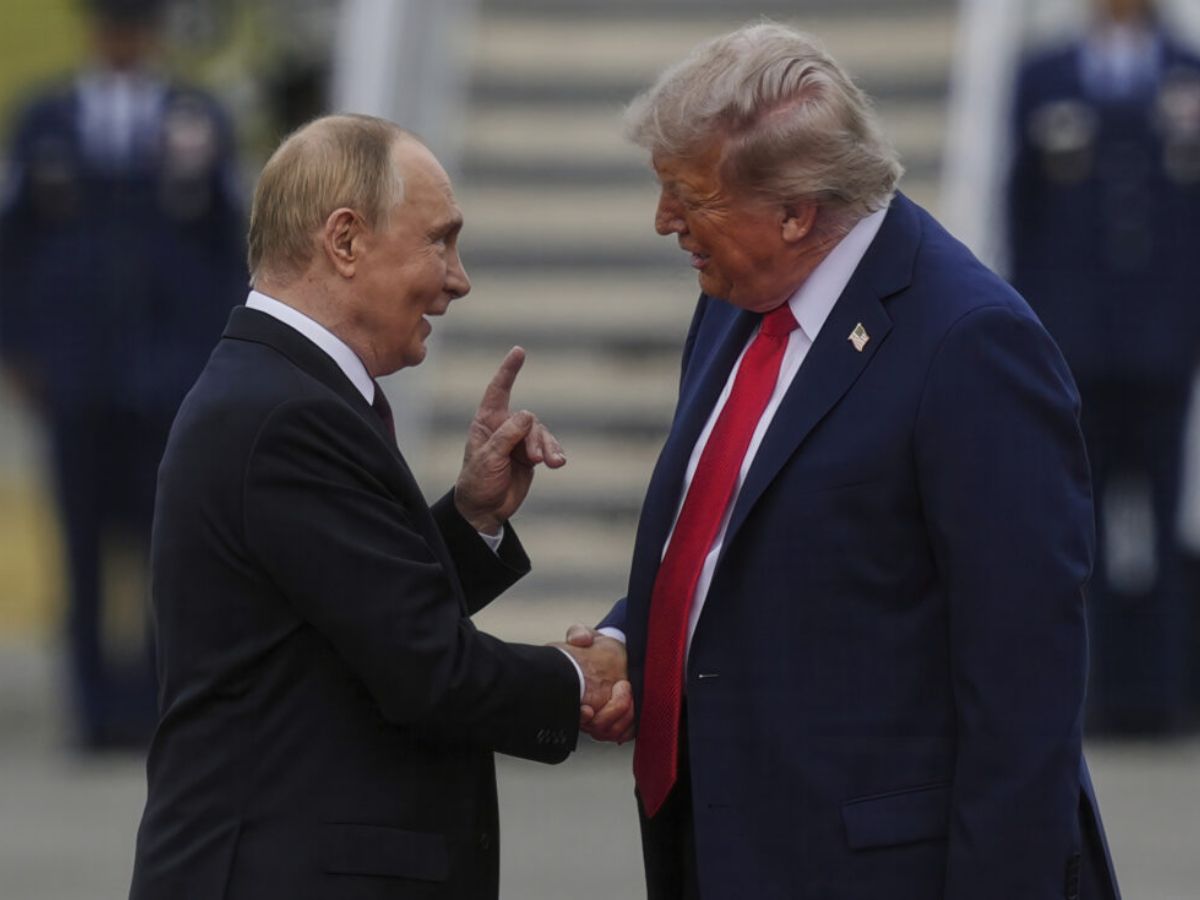
On August 15, Donald Trump met Vladimir Putin in Anchorage, Alaska, hoping for a breakthrough on Ukraine. Instead, the summit ended without a deal, underscoring the deep divisions between Russia, Ukraine, and Western allies.
Although Trump avoided making territorial concessions, he echoed Putin’s position that a ceasefire was not essential for a future peace deal, an approach at odds with most European leaders.
European Allies on Edge
Ukrainian President Volodymyr Zelenskiy, due to meet Trump in Washington on August 18, privately warned European leaders that Putin was likely using talks as a stalling tactic ahead of a possible new offensive this fall. German officials confirmed Kyiv’s concerns.
European leaders debated whether to join Zelenskiy in Washington, recalling a February Oval Office clash where Trump berated him. Ultimately, the August 18 meeting went better, with Trump and European leaders agreeing to begin drafting security guarantees for Ukraine.
War Still Raging
Meanwhile, Russia showed no sign of slowing its campaign. A massive missile and drone assault struck Kyiv on August 22, one of the heaviest of the war. Trump’s envoy Keith Kellogg condemned the strikes as “egregious” and warned they “threaten the peace” Trump was pursuing.
Also Read: Trump’s Envoy Claims Breakthrough with Putin — Then Walks It Back?
Critics and Supporters Divided
Critics say Trump’s ad-hoc style has left allies confused and the war no closer to resolution. “We are just where we were before Trump took office,” said Volker.
But supporters argue Trump is applying pressure in ways his predecessor did not. A White House spokeswoman said Trump had achieved “more progress towards peace in two weeks than Joe Biden did in three years.” For now, the war grinds on. As former envoy Volker put it: “Trump is really going to be left no choice.”