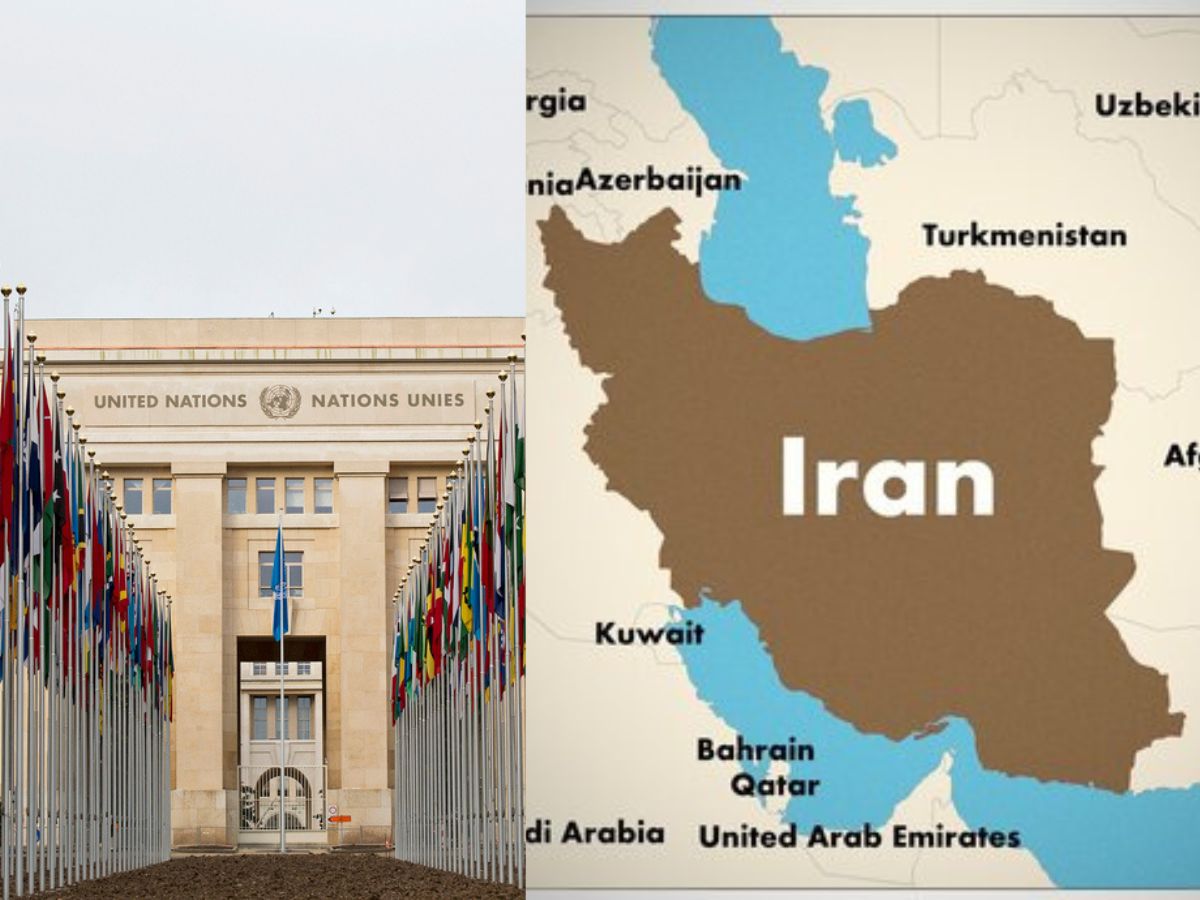
The United Nations has reimposed broad sanctions on Iran, after a decade-long pause, which seems to a be a push to international efforts to curtail Tehran’s nuclear program. This development arose after a failed diplomatic push to extend sanctions relief under the 2015 Joint Comprehensive Plan of Action (JCPOA), widely known as the Iran nuclear deal.
Snapback Mechanism and Return of Sanctions
The re-imposition of sanctions was inspired by complaints of main European JCPOA signatories- France, Germany, and the United Kingdom, of Iran’s “substantial non-performance” and non-compliance with its nuclear obligations. The nations used the “snapback” mechanism within UN Security Council Resolution 2231, which adopted the agreement, to reimpose former sanctions automatically if Iran is discovered to be in default. The design of the mechanism excludes a permanent council member veto from preventing sanctions reimposition when there are violations.
A proposal supported by Moscow-Beijing to provide Iran relief from sanction for six additional months was voted down by the Security Council, nine to four, including China and Russia. The sanctions that were eased under the JCPOA hence came back into effect from now i.e. late September 2025.
Scope of the UN Sanctions
The new sanctions includes a blanket ban on arms, ban on uranium enrichment and associated nuclear activities, and limitations on ballistic missile programs that can carry nuclear warheads. The sanctions impose asset freezes and travel restrictions on many Iranian persons and entities that have been working on nuclear research and development. Notably, member states have the power to inspect and confiscate suspicious shipments carried by Iranian commercial carriers such as Iran Air and shipping lines.
Iran’s Response and Regional Consequences
Iran’s government, headed by President Masoud Pezeshkian, condemned the sanctions as “unjust, illegal, and unfair,” dismissing their legitimacy and promising a “firm and appropriate response.” Iranian leaders accused Western nations of using the nuclear issue for boosting regional tensions. Tehran reiterated it has no intention of developing nuclear weapons but insisted on security assurances against nuclear attacks on its nuclear facilities. The reimposition of sanctions has increased Iran’s financial troubles, fuelling inflation, devaluing the currency, and enforcing misery on ordinary citizens.
The sanctions increase security tensions in the Middle East, with warnings of further conflict between Israel and the United States, particularly following reported attacks on Iranian targets. Critics say the sanctions fuel regional instability and urge renewed diplomacy.
International Diplomatic Efforts
Even after the snapback, the European Union and other global actors emphasise that sanctions should not shut the door to negotiations. They assert in calling for Iran’s full compliance with the International Atomic Energy Agency (IAEA) and a diplomatic solution to guarantee the peaceful nature of the nuclear program, stressing that dialogue is the only lasting way forward.
In short, the UN sanctions re-imposed on Iran display increased global alarm about nuclear proliferation threats, put harsh limits on Tehran’s military and nuclear activities, and strengthen Middle Eastern geopolitical tensions. The next few months will be decisive for regional security and diplomacy.