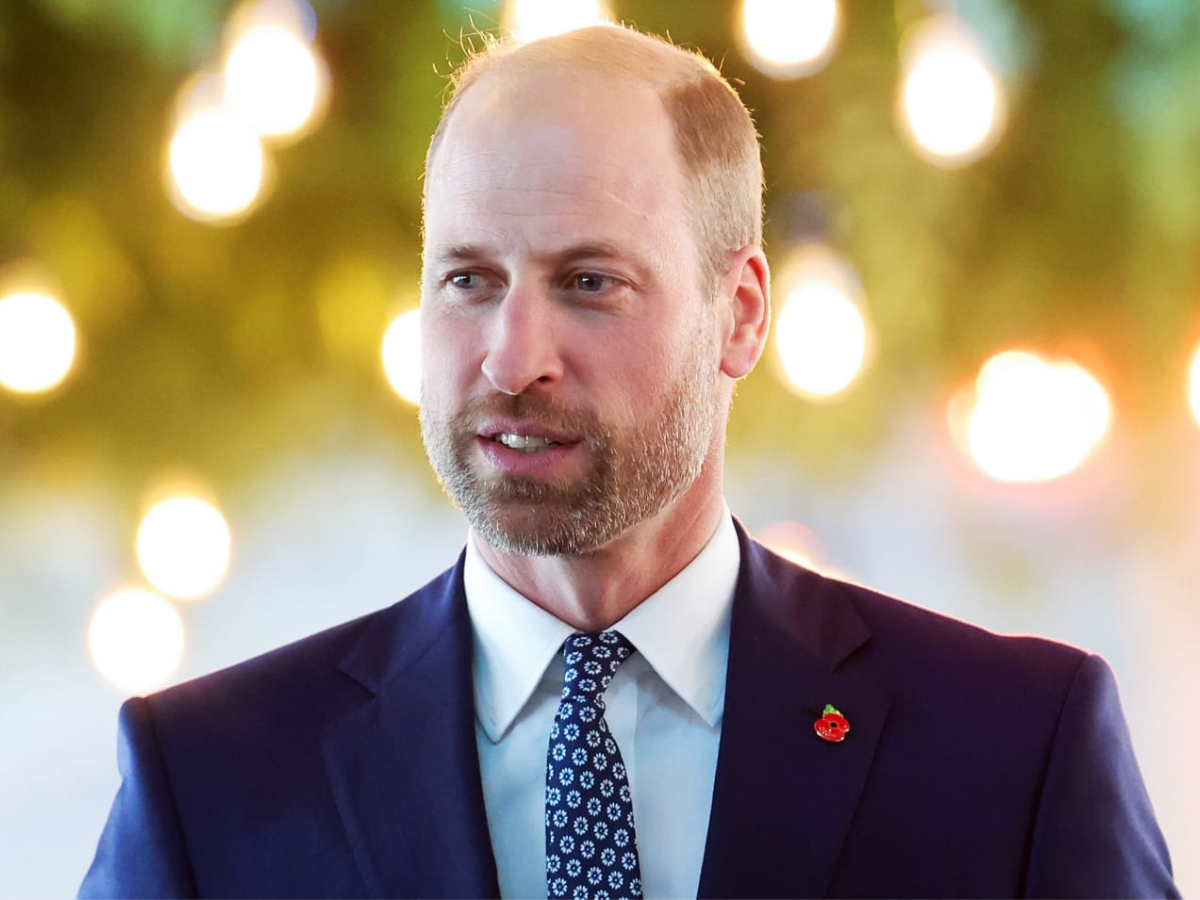
In December 2009, long before introducing his ambitious Homewards scheme, Prince William made a rare move for a future monarch: he slept rough in the streets of London for a cold night. It wasn’t for publicity, and it wasn’t for comfort. But it was to become a landmark moment in how he addressed one of the UK’s most intractable social problems.
Wrapped in a sleeping bag in a deserted alleyway close to rubbish bins, William coped with 4°C temperatures with Centrepoint CEO Seyi Obakin. It was bone-freezing cold and actually dangerous with a close encounter with a road sweeper highlighting the risk faced by thousands each night. In an interview with ABC News at the time, William conceded that he “could not even begin to imagine” enduring like that on a nightly basis, but hoped it would make him a better and more determined helper.
A Cause Drawn from Princess Diana’s Inspiration
William’s sympathy for the homeless has origins with his late mother, Princess Diana. She brought both of them to visit The Passage shelter when they were kids an experience he says left a profound and lasting impression. In 2005, he became a patron of Centrepoint, one of Diana’s selected charities, determined to be more than a token figurehead. “He wanted to know what the problems were and what he could do to assist,” Obakin told People.
Those familiar with the experience claim that the 2009 sleep-out was always an earnest endeavor and not a publicity stunt. In the intervening years, William has worked in shelters, cooked and served meals during the COVID-19 pandemic, and engaged with those impacted by homelessness to hear their accounts in person. His hands-on work became a larger vision: not only containing homelessness, but eradicating it.
The Birth of Homewards
That vision was given formal expression in 2023 with the publication of Homewards, a five-year strategy to render homelessness “rare, brief, and unrepeated” throughout the UK. Collaborating with organizations such as Centrepoint and The Passage, Homewards is concentrated on community-based solutions within six pilot areas, with a view to developing models that can be rolled out across the country.
For most of those in these charities, William’s one night homeless was the symbolic beginning of this national journey. “Sleeping out was the beginning,” Obakin explains. “Homewards is the continuation.”
Changing the Language and the Goal
Mick Clarke of The Passage adds that William has moved from talking about “managing homelessness” to “ending homelessness.” That is a change in rhetoric, he thinks, that indicates a larger cultural shift in the way policymakers and the public see the issue and what they expect of solutions.
Homewards celebrates its two-year anniversary this July, and William continues to leverage his platform for moving the agenda forward. The dark, cold alley of December 2009 was just a single night, but it sowed the seeds for a mission he is committed to seeing through that combines empathy, strategy, and action.