Mass Arrests Raise Fears Over Free Speech
London’s Metropolitan Police revealed Friday that at least 60 individuals will be prosecuted for expressing solidarity with Palestine Action, the activist organization recently banned as a “terrorist organization” following the organization of demonstrations against Israel’s military incursions in Gaza. Three have already been charged, with officials warning that more prosecutions are imminent in the weeks ahead.
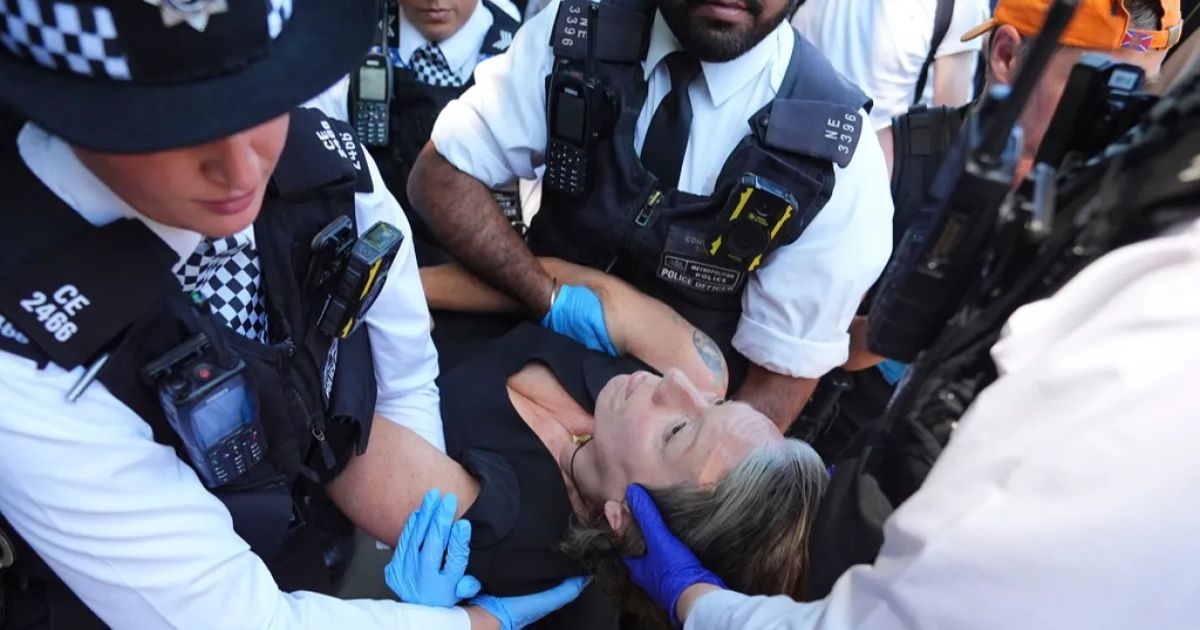
More than 700 protesters have been arrested since the July 7 proscription, with 522 taken into custody at one protest over the weekend reportedly the largest mass arrest during a protest in London’s history. Police stressed that facilities are available to investigate and prosecute protesters effectively if needed.
The critics, such as Amnesty International, Greenpeace, and the United Nations, have contended that the ban poses the risk of stifling genuine political expression and has the potential to affect free speech negatively.
Director of Public Prosecutions Stephen Parkinson labeled the prosecutions as the “first significant numbers” after the recent demonstrations, warning that more could be to come. Convictions under the Terrorism Act hold the possibility of up to six months’ prison time, plus penalties.
Metropolitan Police Commissioner Mark Rowley complimented police-prosecutor coordination, citing the urgency of response as a means of offsetting what he termed “misguided attempts to overwhelm the justice system.”
Home Office Minister Yvette Cooper defended the government action, stating, “UK national security and public safety must always be our top priority. The assessments are very clear this is not a non-violent organisation.”
Palestine Action was proscribed days after taking credit for a break-in at a southern England air force base, which the government maintained resulted in £7 million ($9.3 million) of damage to military aircraft. The group also was blamed for other “serious attacks” involving violence and widespread property damage. The group insists its activities are aimed at the UK’s indirect military support for Israel.
ALSO READ: UK PM Keir Starmer Issues Strong Warning on Illegal Immigration: Detention and Deportation Ahead
Political Reactions and Public Debate
The action has sparked controversy about the boundaries of anti-terror powers in policing protests. Britain’s Liberal Democrats were “deeply concerned” at using anti-terror law against those taking part in peaceful protests. The Equality and Human Rights Commission also cautioned that a “heavy-handed” response could undermine people’s rights, calling on police to exercise proportionate responses and to have clear legal guidelines.
At the same time, mass protests demanding an end to Israel’s Gaza war and an end to UK arms sales to Israel have been going on for close to two years in multiple cities. Last month, Prime Minister Keir Starmer said that the UK will officially recognize the Palestinian state by September unless the Israeli government makes major moves towards ending the fighting and agreeing to permanent peace. Most protestors have described the move as too little and too late.
The prosecutions of Palestine Action supporters represent a turning point in the continuing struggle between national security interests and the preservation of political expression within the UK.