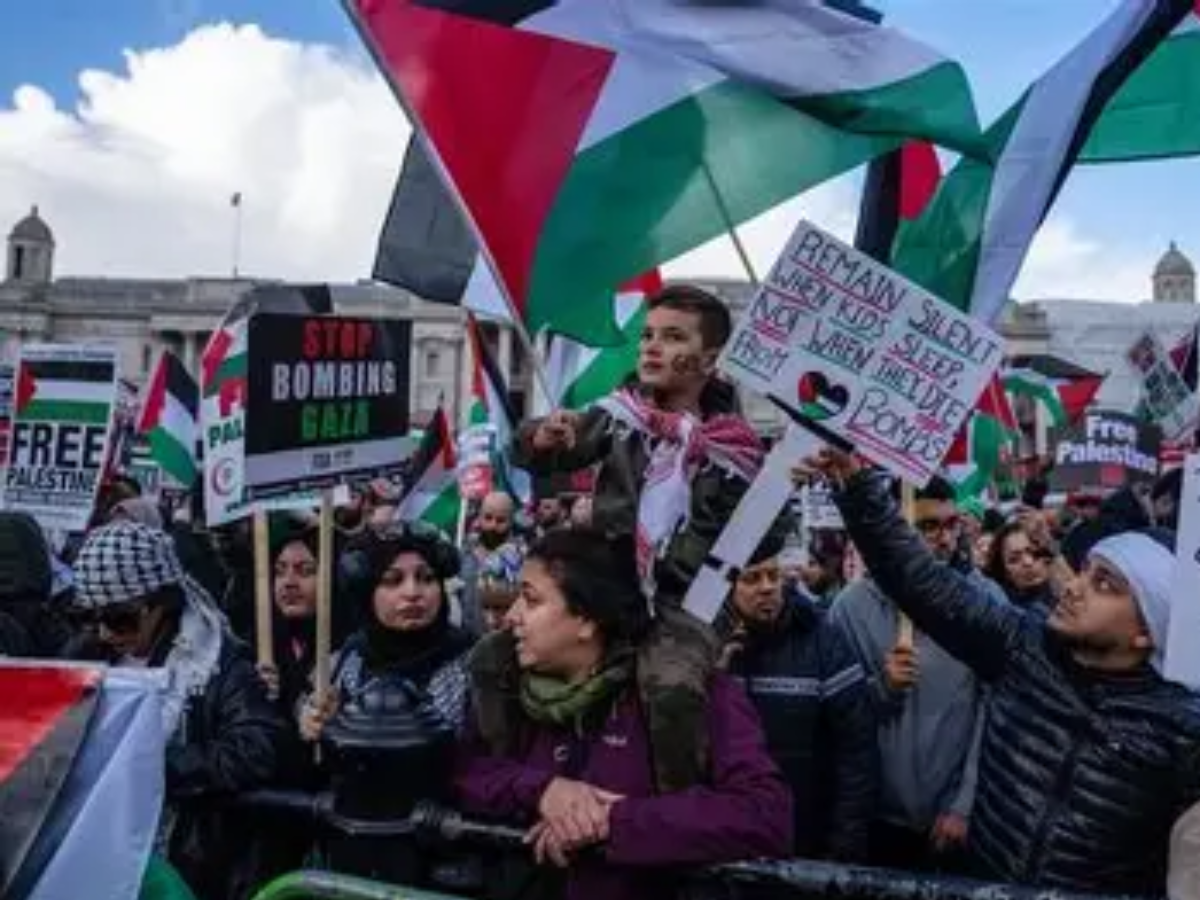
During a recent protest in London, the Metropolitan police enforced their largest arrests in a decade, rounding up 474 individuals connected with Palestine Action.
The group was recently outlawed by the government in the UK and is now regarded as a proscribed organization by UK law, making any public support of it a criminal offense. Among those taken into custody, 466 were charged under the Terrorism Act for providing support to the banned group, while the remaining eight faced charges for non-terrorism-related offenses, including assaulting police officers.
Policing Amidst Polarized Views
Deputy Assistant Commissioner Ade Adelekan, in charge of the policing operation, emphasized that the police have a duty to manage such protests objectively, administering law enforcement without bias and keeping the public order intact.
“Our role remains consistent to keep the peace by preventing clashes between opposing groups and stopping severe disruption to everyday life,” he stated. Besides the numerous arrests, they still maintained that the operation aimed to prevent disorder and, on the other hand, respect the lawful protest rights.
ALSO READ: Tensions Rise As Epping Hotel Protest Draws Hundreds Amid Asylum Seeker Row In UK
Processing and Bail Conditions
Some of the arrested ended up at processing centers in Westminster, central London. After confirming the identity of the detainees, they were released but under very strict conditions not to attend any future Palestine Action events.
However, the majority of those arrested did not give their identity and were therefore transferred to different custody suites around the city for further investigation.
Legal Ramifications of the Ban
The ban on Palestine Action, which, since July 5, made it a criminal offense for anyone to offer public support to the group, laid penalties up to 14 years’ imprisonment for such behavior. This is indicative of the increased paranoia the government now has that something considered a threat could go wrong with national interests.
Voices of Dissent
Critics argue that the ban and subsequent arrests constitute an excessive response. The spokesperson for Defend Our Juries, one of the organizers of protests, has stated, “Palestine Action and people with placards aren’t any kind of threat to public safety at all.” This all goes to the tensions concerning security measures and rights to protest.
It evident that police should have acted during the London demonstration, as it shows the headache that security agencies comprise when dealing with public security and civil liberties at large. While the courts fight legal battles and controversies rage in public debate, this incident will go a long way in defining the UK’s future position with this protest in particular and such politically sensitive issues in general.
ALSO READ: Thousands Rally on Sydney Harbour Bridge to Protest Gaza Conflict