
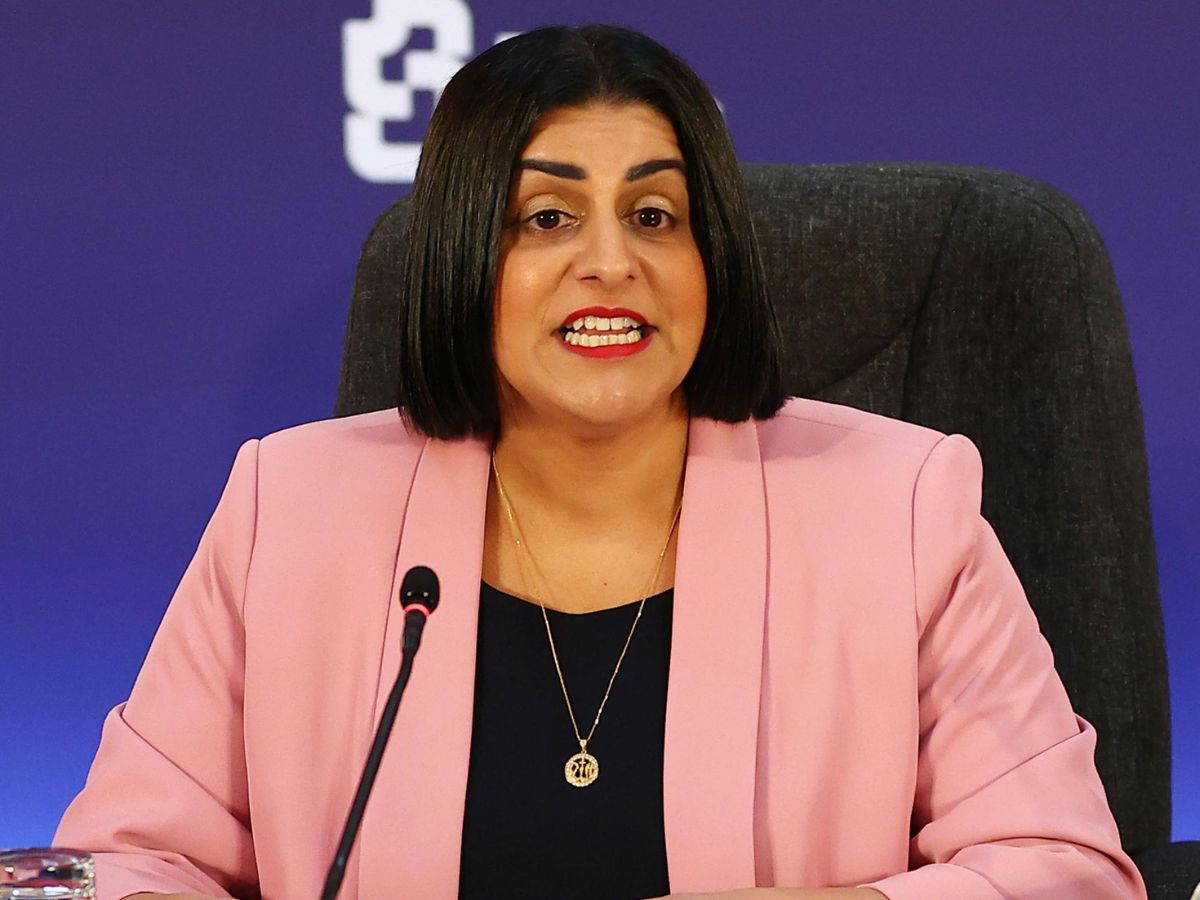
UK Home Secretary Shabana Mahmood on Thursday laid out major changes to how legal migrants can gain permanent settlement in Britain. Her proposals would make it much harder for many to secure Indefinite Leave to Remain (ILR).
Permanent Settlement in Britain: Longer Wait for Settlement
Under the new plan, most migrants will need 10 years in the UK to apply for ILR — double the current 5‑year standard. Mahmood said: “To settle in this country forever is not a right, but a privilege, and it must be earned.”
Tougher Rules for Those on Benefits
Some migrants could face even longer waits. According to the proposals:
- Those who have claimed benefits for under a year might need to wait 15 years.
- If they’ve had benefits for more than a year, they could be asked to wait 20 years before getting ILR.
‘Earned Settlement’ Model
Mahmood also introduced a new “earned settlement” concept. Migrants would have to meet stricter conditions to qualify for settlement, such as:
- A clean criminal record
- Speaking English at A-level standard
- Making steady national insurance (tax) contributions
- Having no debt to the state
Fast-Track for High Contributors
Not everyone will face the 10-year wait. Certain groups may settle faster depending on how much they contribute:
- Doctors, nurses, and public service workers may apply after 5 years.
- High earners or global talent visa holders might qualify even earlier — possibly in 3 years.
Why the Change — and Who It Affects?
Mahmood said the UK has seen “migration levels … without precedent” in recent years. She argued that the current system is too lenient and needs to reward contribution and integration. According to government estimates, 1.6 million people could be affected by these changes between 2026 and 2030.
Permanent Settlement in Britain: Reactions & Risks
Some critics warn that the plan could trap migrants and their families in limbo. They say the long wait times and strict criteria may create a two-tier society, where not everyone who lives in Britain permanently can feel truly settled.
Others welcome the idea of tying settlement to contribution. In her interview with Sky News, Mahmood stated she wants “to make sure that people are contributing to their wider community and wider society.”
Permanent Settlement in Britain: What’s Next?
The government has opened a public consultation on the proposals until 12 February. After that, they will decide how to implement the new rules — and whether some groups should be exempt or fast-tracked.